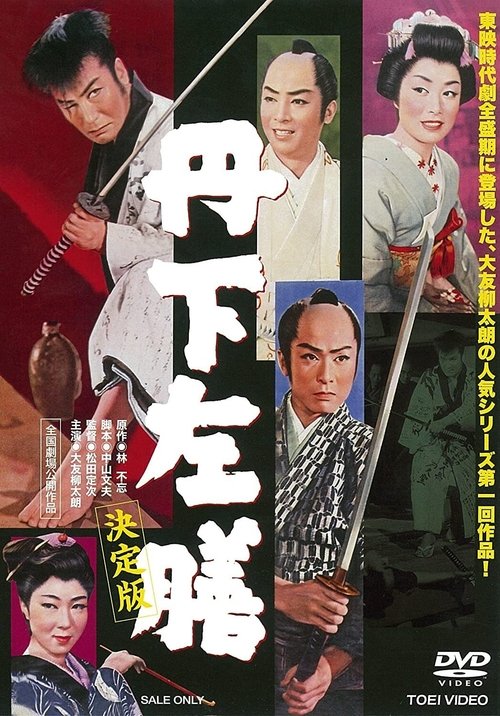
Secret of The Golden Spell
1958
No user ratings available yet
Representation score: 4.4 out of 10
Representation Score
Fair
1957
Director
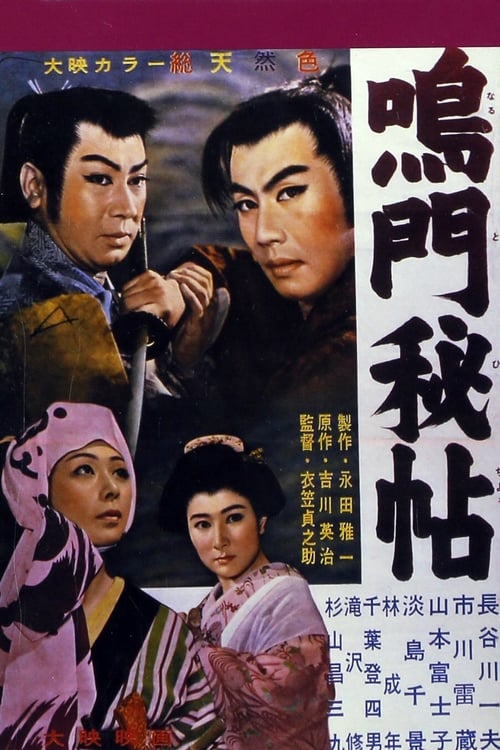
Teinosuke Kinugasa
Runtime
101 minutes
Average Rating
No ratings yetNew Showbiz Analysis
Secret of Naruto is a traditional period drama that highlights meaningful gender ability to act through its female characters. By featuring a skilled female ninja and a woman driven by a personal vendetta, the film challenges common passive character clichés. Although the film lacks explicit LGBTQ+ or disability representation, it successfully centers a non-Western political structure. This focus on indigenous Japanese struggles provides a culturally specific perspective that avoids Western-centric historical frameworks. Overall, the film balances conventional romantic structures with progressive character development for its female leads, making it a moderate example of diversity within its historical genre.
Category Breakdown
The film does not include any explicit LGBTQ+ identities or themes that challenge traditional heterosexual relationships.
Female characters play significant roles in driving the story, moving beyond passive stereotypes. They exhibit specialized skills and personal motivations.
The film focuses on internal Japanese power dynamics, offering a non-Western perspective that diverges from the Western-centric narratives common in 1950s cinema.
The story explores the tension between local authority and centralized state power, maintaining a traditionalist approach to honor and duty without critiquing the social order.
The character descriptions do not mention any visible or invisible disabilities.
Present on Screen
Limited or Absent
Official Synopsis
From the pen of Yoshikawa Eiji comes this exciting story. The Naruto Strait separates Tokushima from the islands of Awaji and Honshu. On Tokushima the mad lord dreams of conquest and forges a bloody revolt against the Tokugawa shogunate. A mysterious swordsman named Noriyuki Gennojo has crossed Naruto’s waters to uncover the Awa clan’s secrets. He puts his life on the line after finding a testament of Awa’s secrets, written in blood by a dying man. Joining Noriyuki are a female ninja who loves him, and the beautiful daughter of an enemy who’s sworn to kill him. Awa’s defenders willl stop at nothing to prevent the blood-soaked letter from reaching the shogun.
1958
1972
2009

1972
1959
1963
1981

1969
No reviews yet. Be the first to share your thoughts on this movie!
Use the rating form above to leave a star rating and optional review.