Samurai Vendetta
1959
No user ratings available yet
Representation score: 1.8 out of 10
Representation Score
Limited
1969
PGDirector
Hideo Gosha
Runtime
124 minutes
Average Rating
No ratings yetNew Showbiz Analysis
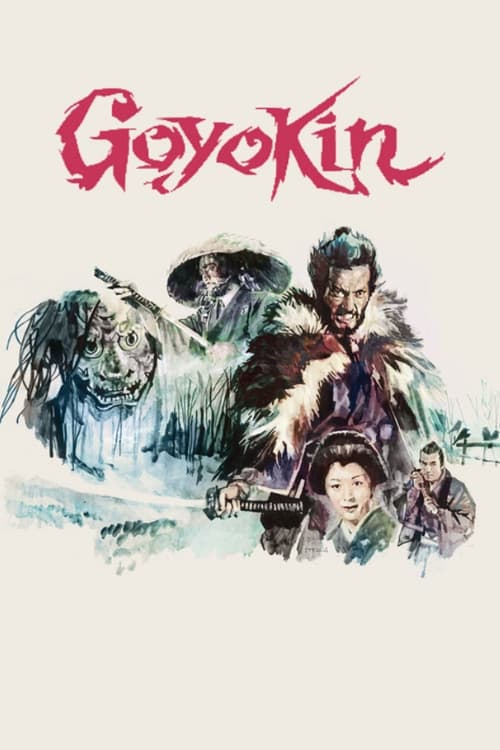
Hideo Gosha’s *Goyokin* is a masterwork of the chanbara genre that uses its historical setting to challenge traditional notions of heroism. By centering on rogue elements operating on the periphery of society, the film avoids simple moral binaries. Instead, it presents a world where systemic structures are inherently compromised. The film's progressive nature lies in its thematic subversion of authority. Rather than a standard hero versus villain cliché, the narrative explores social decay and the breakdown of institutional integrity. This creates a nuanced study of power dynamics and situational ethics. However, the film remains tied to the social constraints of its era. It lacks modern representations of gender and LGBTQ+ identities, reinforcing patriarchal structures and masculine-coded narratives.
Category Breakdown
The film focuses on the masculine hierarchies of the samurai class. There are no depictions of LGBTQ+ identities or queer dynamics.
The narrative centers on masculine-coded violence and the male protagonist's role. Female characters occupy secondary roles and lack the power to drive the central conflict.
The cast is ethnically homogeneous, reflecting the historical reality of the Edo period. The film does not use diverse casting to challenge these period constraints.
The film provides a sophisticated critique of institutional power and administrative corruption. It portrays traditional governance as a site of exploitation rather than stability.
There are no discernible portrayals of physical or neurodivergent disabilities. Characters are defined primarily through their physical prowess and martial capabilities.
Present on Screen
Limited or Absent
Official Synopsis
A guilt-haunted samurai warrior attempts to stop a massacre taking place.
1959

1972

1975
1966
1960
1980

1965
1969
No reviews yet. Be the first to share your thoughts on this movie!
Use the rating form above to leave a star rating and optional review.