
Samurai Assassin
1965
No user ratings available yet
Diversity score: 3.9 out of 10
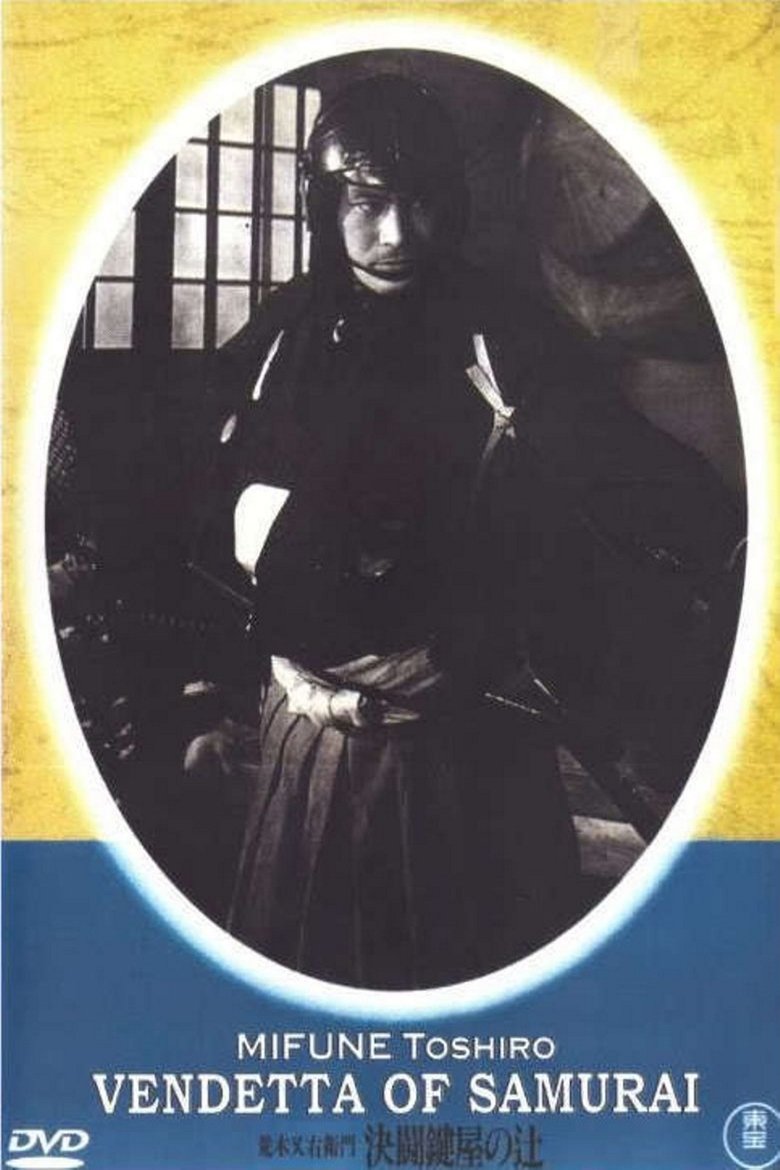
1952
Director
Kazuo Mori
Runtime
82 minutes
Average Rating
No ratings yetSynopsis
Mataemon Araki, a renowned swordsman, helps a young man find vengeance.
Overall Score
Limited
Category Breakdown
LGBTQ+ Representation
The film lacks any depiction of non-heteronormative identities. The narrative focuses strictly on familial lineage and martial retribution within a traditional framework.
Gender Representation
The story centers on male-driven themes of vengeance and swordsmanship. While Yuriko Hamada is top-billed, the film reinforces traditional masculine leadership and martial agency.
Racial & Ethnic Diversity
The cast is culturally homogeneous, reflecting its 17th-century Japanese setting. It provides an authentic historical representation but lacks multi-ethnic complexity.
Religious & Cultural Diversity
The film uses a narrator to suggest that historical truths are often distorted legends. However, the plot remains rooted in traditional samurai codes and social structures.
Disability Representation
There is no evidence regarding the portrayal of visible or invisible disabilities in the narrative.
Strengths
Areas for Improvement
AI Analysis
Vendetta of a Samurai is a period drama deeply embedded in the conventions of the jidaigeki genre. The film prioritizes themes of honor, patriarchal lineage, and the pursuit of vengeance, which aligns it with traditional social hierarchies rather than modern intersectional perspectives. While the screenplay by Akira Kurosawa introduces a sophisticated meta-narrative regarding the distortion of historical truth, the core subject matter remains focused on the rigid structures of the Edo period. This creates a work that is historically authentic but lacks diverse representation. The film functions as a study of traditional masculine agency and historical legend, offering little room for the subversion of gender or identity norms.
1965
1959
1966
1969
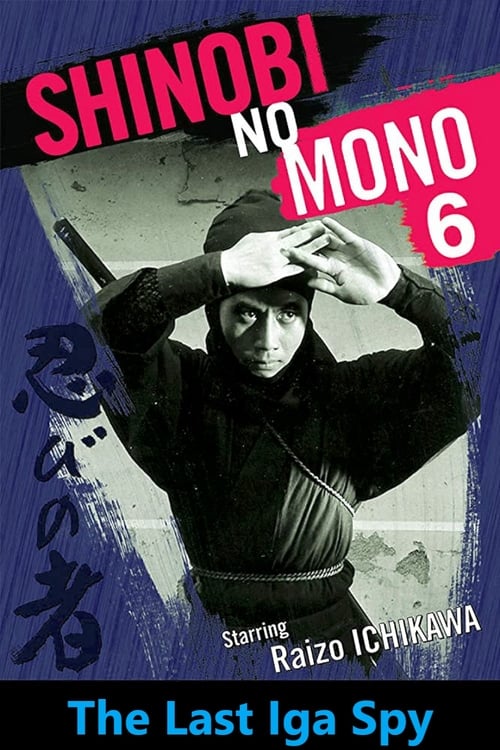
1965
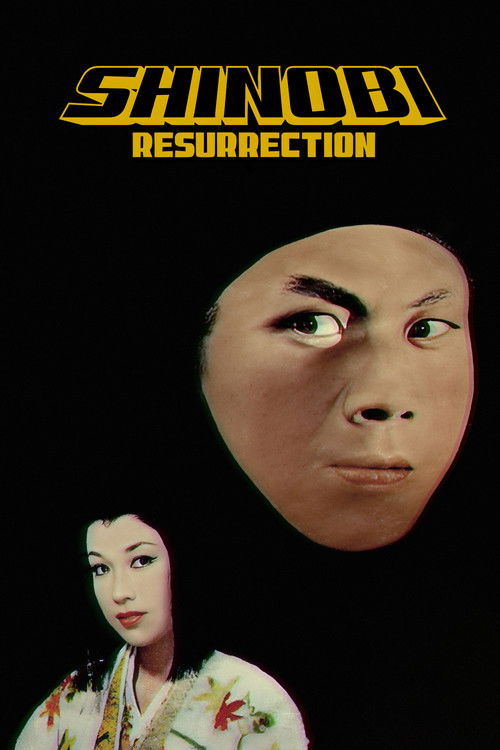
1963
No reviews yet. Be the first to share your thoughts on this movie!
Use the rating form above to leave a star rating and optional review.