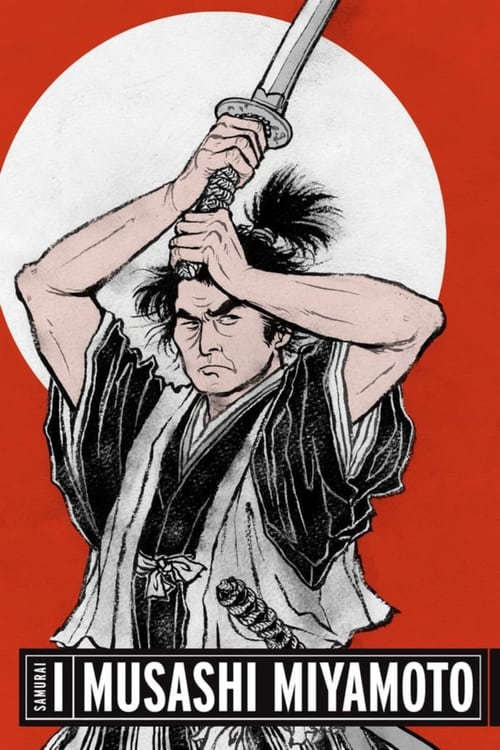
Samurai I: Musashi Miyamoto
1954
No user ratings available yet
Representation score: 0.8 out of 10
Representation Score
Limited
1963
Director
Umetsugu Inoue
Runtime
104 minutes
Average Rating
No ratings yetNew Showbiz Analysis
The film primarily serves as a deconstruction of class and social identity rather than a study of modern characters who reflect more than one aspect of diversity. It emphasizes the instability of feudal hierarchies over gender or sexual diversity. While the narrative does not meet modern social standards, it achieves depth by portraying identity as a performative construct. The protagonist's transformation from peasant to lord highlights the artificiality of power structures. Ultimately, the work is a period-specific drama that uses the kagemusha archetype to critique systemic violence and the fragility of the ruling class.
Category Breakdown
The film does not include any characters with non-straight identities or same-sex relationships. The story focuses on feudal duties and survival.
Male characters, particularly the Lord and his shadows, have significant roles in driving the story. The film adheres to a traditional patriarchal structure typical of period dramas.
The cast is ethnically uniform, reflecting the historical and geographical context of the Hida region. The film does not employ multicultural casting.
The film provides a detailed critique of traditional institutions. It depicts the feudal system and noble leadership as oppressive forces on the lower classes.
There are no characters with disabilities that play a significant role in the narrative or serve as central plot devices.
Present on Screen
Limited or Absent
Official Synopsis
In the mountain regions of Hida, the dreams of a peasant named Kyonosuke, who longed to be a samurai, come true when he becomes one of three doubles, of shadows, of Lord Yasutaka. After months of intense and cruel training, he faces his destiny when the Lord and the other two shadows are killed in battle and he must take on the role of Lord Yasutaka....
1954
1962
1961
1965
1963
1962
1969
1961
No reviews yet. Be the first to share your thoughts on this movie!
Use the rating form above to leave a star rating and optional review.