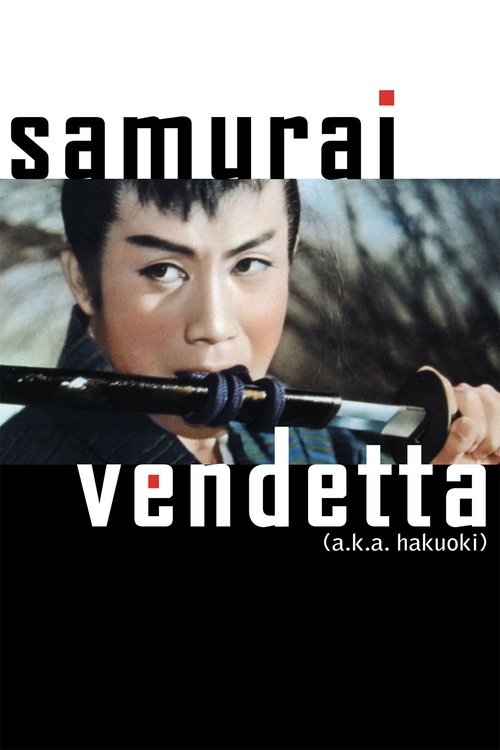
Samurai Vendetta
1959
No user ratings available yet
Representation score: 1.8 out of 10
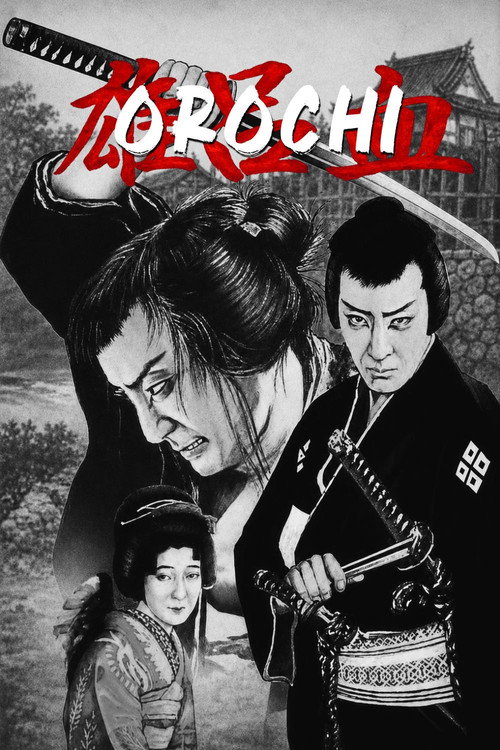
Representation Score
Minimal
1925
Director
Buntarō Futagawa
Runtime
74 minutes
Average Rating
No ratings yetNew Showbiz Analysis
Serpent is a foundational jidaigeki that explores rigid social stratification during the Edo period. The narrative focuses on a samurai's struggle against systemic misfortune and misunderstanding within the context of the time. Because the film is a product of its era, it lacks modern multi-layered markers. The storytelling prioritizes historical authenticity and the weight of tradition over the subversion of systemic power dynamics. While culturally significant, the work operates within the established hierarchies of early 20th-century cinema, offering a narrow view of identity and social ability to act.
Category Breakdown
The film does not include any characters with non-binary genders or LGBTQ+ identities. It follows the social norms of its era without showing any same-sex relationships.
The male protagonist plays a central role, reinforcing traditional patriarchal structures. The story centers on his struggle to maintain his status rather than challenging gender roles.
The cast accurately represents Edo-period Japan, maintaining a homogeneous representation. It avoids Western casting norms but does not seek to introduce diverse multi-layered identities.
The narrative is deeply rooted in samurai values and traditional social codes. It emphasizes honor and class structure without deconstructing established moral frameworks.
There are no characters with visible or invisible disabilities serving as central plot points or narrative devices.
Present on Screen
Limited or Absent
Official Synopsis
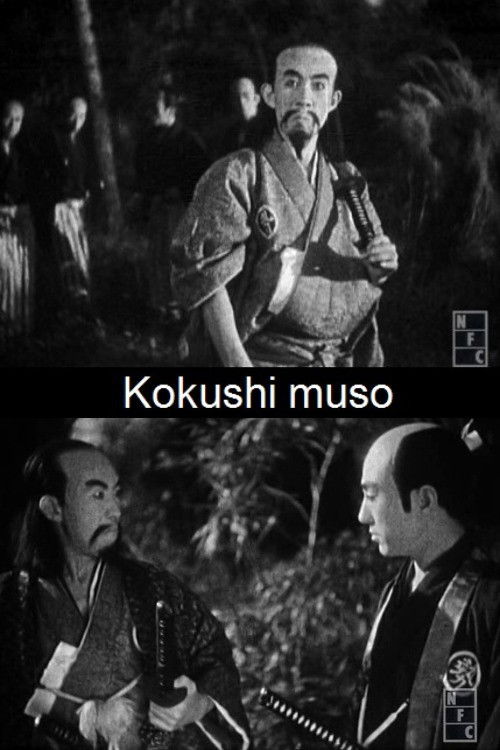
This is the story of a samurai who falls on hard times due to misunderstandings and follows the plots of his enemies.
1959
1962
1958
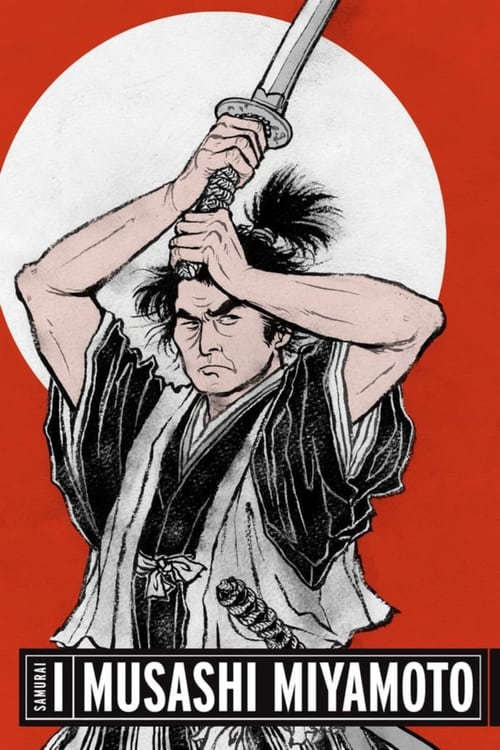
1954
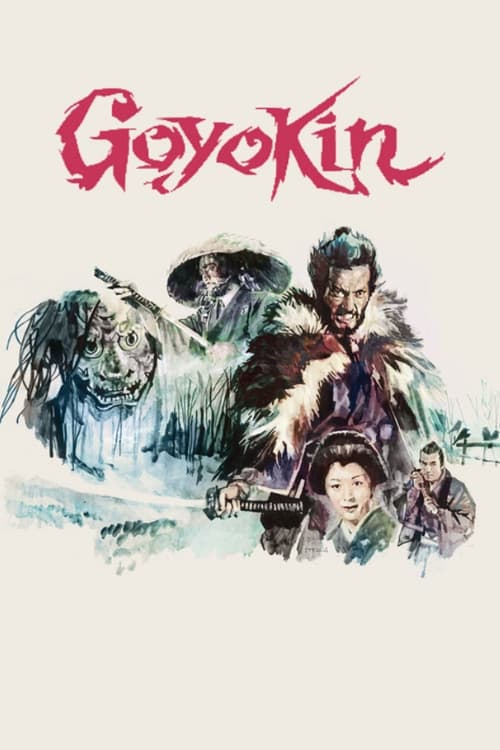
1969
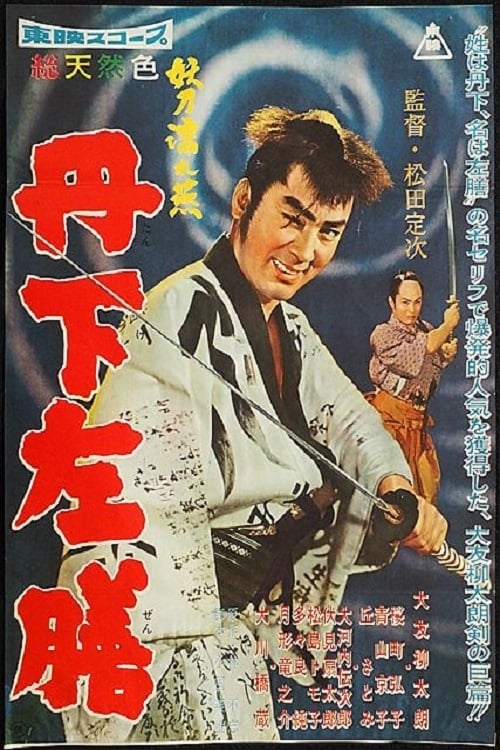
1960
1961
1932
No reviews yet. Be the first to share your thoughts on this movie!
Use the rating form above to leave a star rating and optional review.