The Whole Truth
1958
No user ratings available yet
Diversity score: 2.3 out of 10
1937
NRDirector
Mervyn LeRoy
Runtime
95 minutes
Average Rating
No ratings yetSynopsis
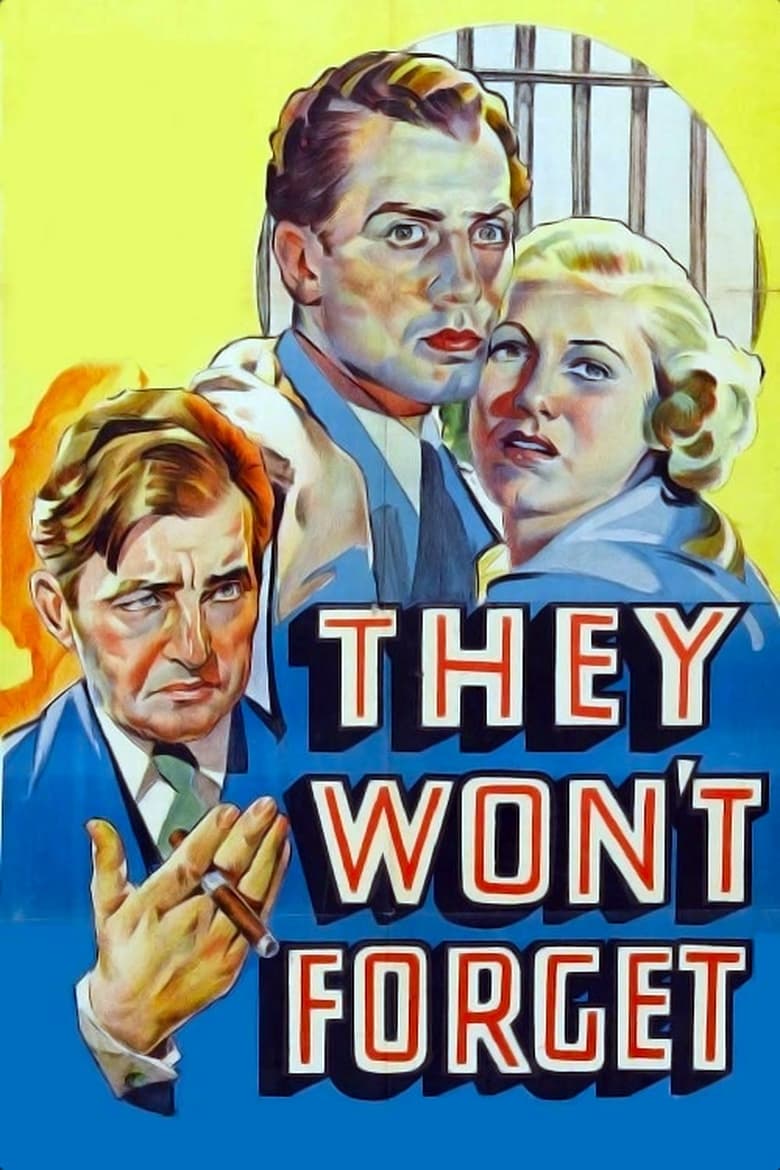
A southern town is rocked by scandal when teenager Mary Clay is murdered on Confederate Decoration Day. Andrew Griffin, a small-time lawyer with political ambitions, sees the crime as his ticket to the Senate if he can find the right victim to finger for the crime. He sets out to convict Robert Hale, a transplanted northerner who was Mary's teacher at the business school where she was killed. Despite the fact that all the evidence against Hale is circumstantial, Griffin works with a ruthless reporter to create a media frenzy of prejudice and hate against the teacher.
Overall Score
Minimal
Category Breakdown
LGBTQ+ Representation
The film lacks any discernible LGBTQ+ characters or non-cisnormative identities. The social architecture remains strictly within the conventional gender and orientation binaries of 1937.
Gender Representation
The narrative is heavily centered on male-driven political and legal ambitions. While Mary Clay's death catalyzes the plot, she functions primarily as a narrative device rather than an agent of her own story.
Racial & Ethnic Diversity
The cast is predominantly white and Anglo-Saxon, reflecting the social constraints of a 1930s Southern setting. The central conflict relies on regionalist tensions between Northerners and Southerners rather than racial diversity.
Religious & Cultural Diversity
The film critiques the corruption of legal and media institutions through individual moral failure. It functions as a cautionary tale about manufactured hysteria rather than a systemic critique of institutional oppression.
Disability Representation
There is no evidence of characters with visible or invisible disabilities. The film lacks any narrative engagement with neurodivergence or physical impairment.
Strengths
Areas for Improvement
AI Analysis
Mervyn LeRoy’s drama explores the weaponization of media and prejudice to fuel political ambition. While it offers a sophisticated look at how public hysteria is manufactured, the critique remains focused on individual opportunism rather than systemic identity politics. The film adheres to the traditionalist hierarchies of the 1930s, prioritizing male agency and regionalist conflict. It lacks intersectional representation, focusing instead on the tension between a transplanted Northerner and a Southern community. Ultimately, the work serves as a study of personal integrity and the mechanics of public perception within a strictly conventional social framework.
1958

1948
1947

1943
1951
1950
1933
1937
1947
1930
1936

1939
No reviews yet. Be the first to share your thoughts on this movie!
Use the rating form above to leave a star rating and optional review.