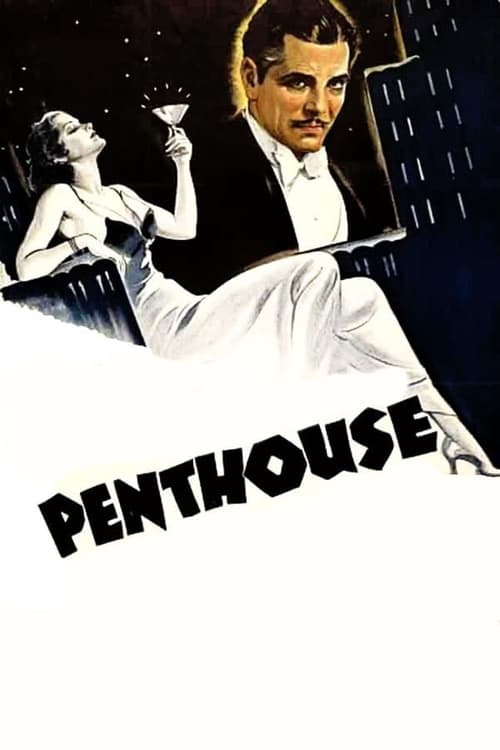
Penthouse
1933
No user ratings available yet
Representation score: 2.0 out of 10
Representation Score
Minimal
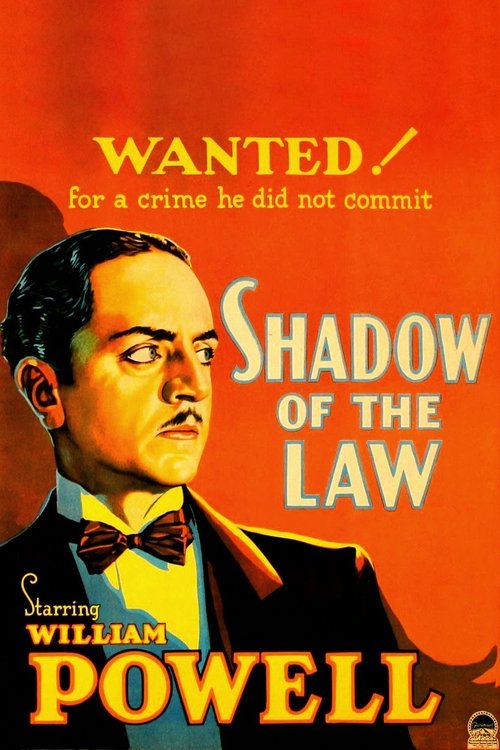
1930
NRDirector
Louis J. Gasnier
Runtime
69 minutes
Average Rating
No ratings yetNew Showbiz Analysis
Shadow of the Law is a typical early sound era crime drama that adheres strictly to the social hierarchies of the 1930s. The narrative structure prioritizes conventional genre clichés over any meaningful subversion of identity or social norms. The film centers on a male protagonist who exercises physical ability to act to protect a female character, reinforcing traditional gender roles. The lack of diverse casting or non-straight-centered themes suggests a production focused on the era's mainstream, homogeneous audience. Ultimately, the film functions as a period-typical piece of melodrama. It lacks multi-layered complexity, focusing instead on a legalistic conflict within a Western-centric social milieu.
Category Breakdown
The film does not include any depictions of LGBTQ+ identities or same-sex relationships. The interactions between characters are strictly heterosexual.
The story revolves around a protector/protected dynamic where a male character resolves conflicts initiated by a female character. The male character takes action to address the problem.
There are no indications of a diverse cast or non-Anglo-Saxon characters. The narrative seems to reflect the homogeneous casting practices of early Hollywood.
The film follows traditional legalistic and moral frameworks, depicting established social classes through a well-to-do businessman without challenging Western institutions.
The narrative does not provide any information about the portrayal of physical or neurodivergent disabilities.
Present on Screen
Limited or Absent
Official Synopsis
John Nelson, a well-to-do businessman, is escorting a woman he knows as Ethel Barry to the door of her apartment suite when a man steps out of the shadows and angrily demands to know where she has been. The embarrassed Nelson excuses himself and goes to his rooms in the same hotel. The woman rushes into his apartment followed by the man who met her in the hall. The man threatens her with violence and Nelson comes to her defense. In the ensuing fight, the man is knocked out of the window and falls to his death to the pavement many stories down. He is charged with the killing and his only witness that can prove self-defense for him has disappeared, and can not be found.
1933

1930
1935

1944

1939
1937
1934
1942
No reviews yet. Be the first to share your thoughts on this movie!
Use the rating form above to leave a star rating and optional review.