Justice Is Done
1950
No user ratings available yet
Diversity score: 4.9 out of 10
1951
NRDirector
Douglas Sirk
Runtime
84 minutes
Average Rating
No ratings yetSynopsis
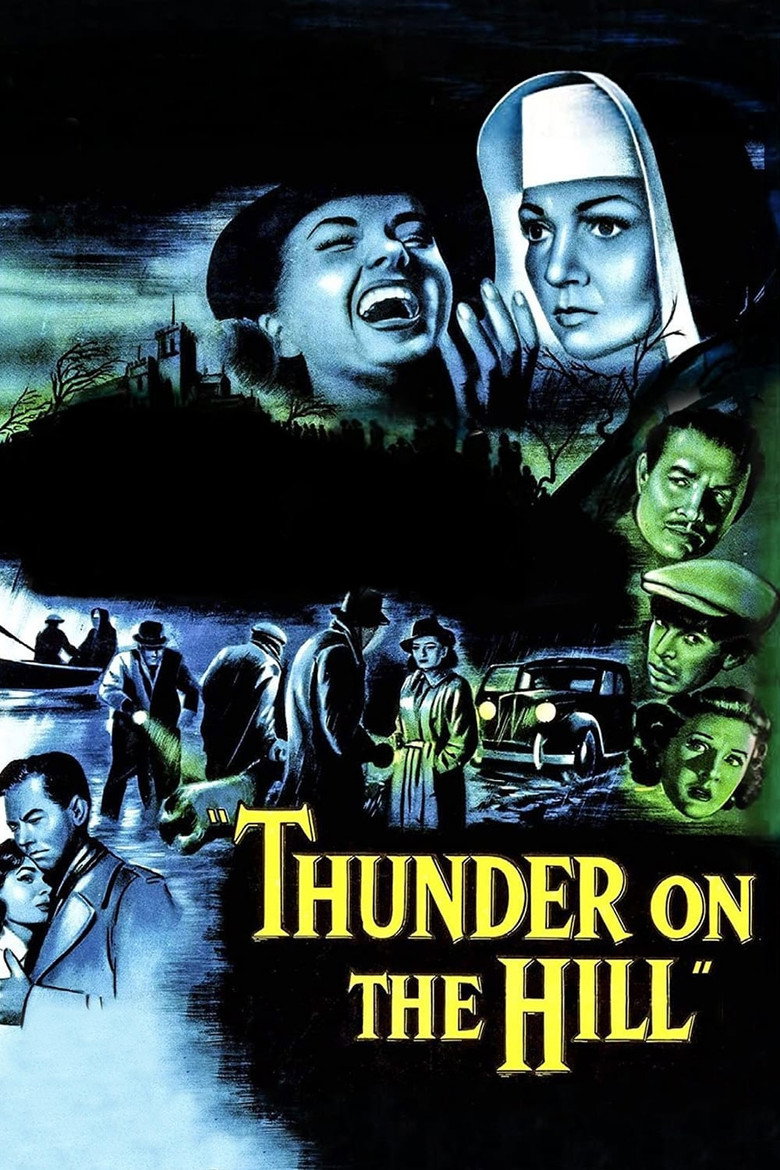
Sister Mary presides over a convent where a convicted murderess, who is being escorted to Death Row, is stranded by bad weather. She is slowly becoming convinced that Valerie is innocent so Sister Mary sets about to clear the girl and bring the real killer to justice.
Overall Score
Fair
Category Breakdown
LGBTQ+ Representation
The film lacks explicit evidence of LGBTQ+ characters or non-cisnormative identities. While Sirk's direction often explores complex interpersonal dynamics, no specific queer representation is confirmed.
Gender Representation
Sister Mary serves as the narrative's primary driver, exercising significant intellectual and investigative agency. She actively challenges a male-dominated legal apparatus to seek justice for a female prisoner.
Racial & Ethnic Diversity
The story appears focused on a localized convent setting. There is no information regarding the ethnic backgrounds of the ensemble, suggesting a likely adherence to 1951 demographic norms.
Religious & Cultural Diversity
The narrative critiques the perceived infallibility of Western judicial structures. By positioning a religious figure as a secular investigator, the film explores moral relativism and systemic error.
Disability Representation
There is no information regarding the portrayal of physical or neurodivergent disabilities within the film.
Strengths
Areas for Improvement
AI Analysis
Thunder on the Hill centers on a conflict between institutional authority and individual moral agency. The plot is driven by Sister Mary's investigation into a potential miscarriage of justice, providing a strong platform for female agency against a rigid legal system. However, the film's diversity is limited by a lack of visible intersectional representation. While the critique of systemic injustice is a thematic strength, the absence of racial and LGBTQ+ diversity keeps the overall score low. The work functions primarily as a study of individual agency versus systemic error, characteristic of Sirk's ability to challenge social certainties through a focused, localized drama.
1950
1947
1961
1958

1948
1951
1934
1947
1964
1954
1954

1971
No reviews yet. Be the first to share your thoughts on this movie!
Use the rating form above to leave a star rating and optional review.