Find another title
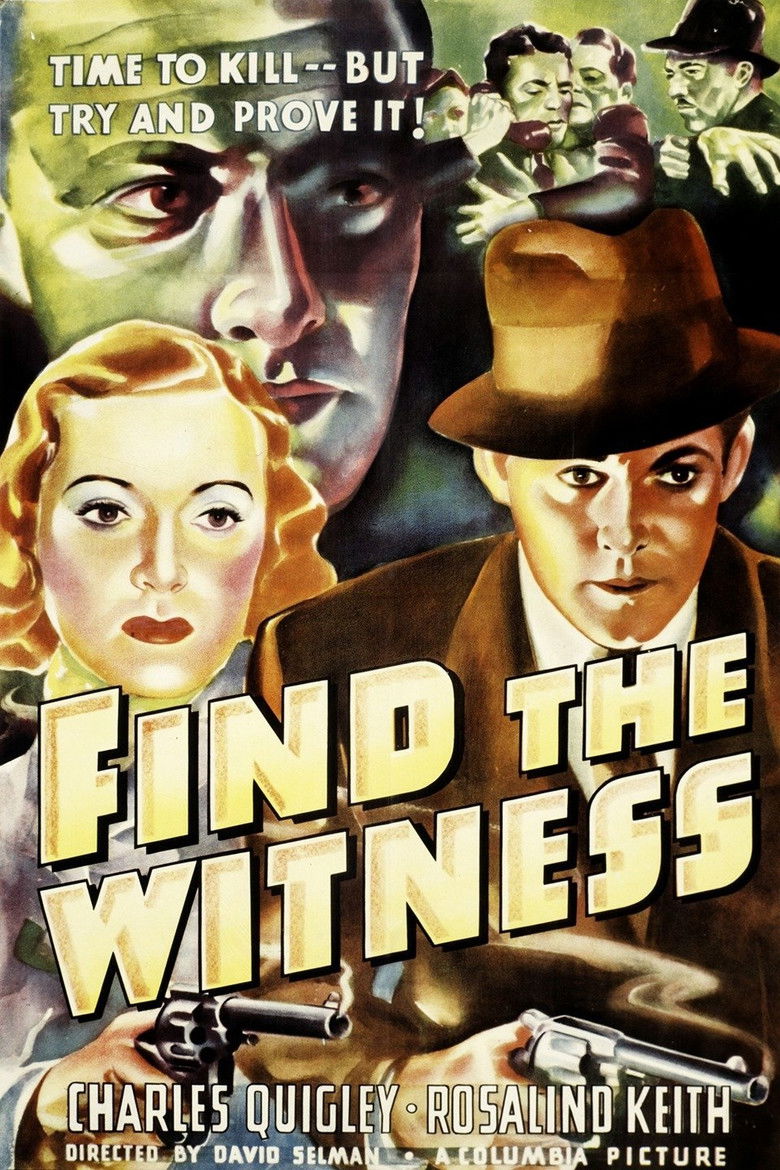
Find the Witness
1937
ApprovedDirector
David Selman
Runtime
55 minutes
Average Rating
No ratings yetSynopsis
A newspaper reporter covering a famous magician's eroding marriage must later prove that the subject was responsible for his wife's murder.
Where to Watch
Diversity & Representation
Overall Score
Minimal
Category Breakdown
LGBTQ+ Representation
The film lacks any evidence of non-cisnormative identities or same-sex intimacy. The narrative focuses entirely on a magician's marriage and a murder investigation.
Gender Representation
Female characters appear primarily as victims or plot catalysts. While the reporter shows investigative agency, the central woman's role is defined by her death.
Racial & Ethnic Diversity
The film appears to follow the era's standard of homogeneous casting. There is no indication of a non-white or non-Anglo-Saxon majority cast.
Religious & Cultural Diversity
Themes of marriage and crime align with traditional Western social structures. The plot focuses on individual culpability and legal resolution rather than systemic critique.
Disability Representation
There is no information available regarding the portrayal of characters with physical or neurodivergent disabilities.
Strengths
- The reporter character provides a sense of investigative agency within the mystery structure.
Areas for Improvement
- The female lead is relegated to a victimhood trope used to drive the plot.
- The film lacks racial diversity and intersectional character depth.
- There is no representation of LGBTQ+ identities or non-cisnormative experiences.
AI Analysis
Find the Witness is a conventional 1937 crime drama that operates strictly within the social and cultural norms of its time. The story centers on a journalistic investigation into a magician's marriage and a subsequent murder, utilizing standard mystery tropes. The film lacks intentional disruption of social hierarchies. It relies on traditional gender roles where the female lead serves as a tragic catalyst, and the casting appears to reflect the era's homogeneous racial standards. Ultimately, the narrative prioritizes individual agency and domestic tragedy over any intersectional or systemic exploration, making it a product of its specific historical period.
Rate this Movie
Reviews
No reviews yet. Be the first to share your thoughts on this movie!
Use the rating form above to leave a star rating and optional review.