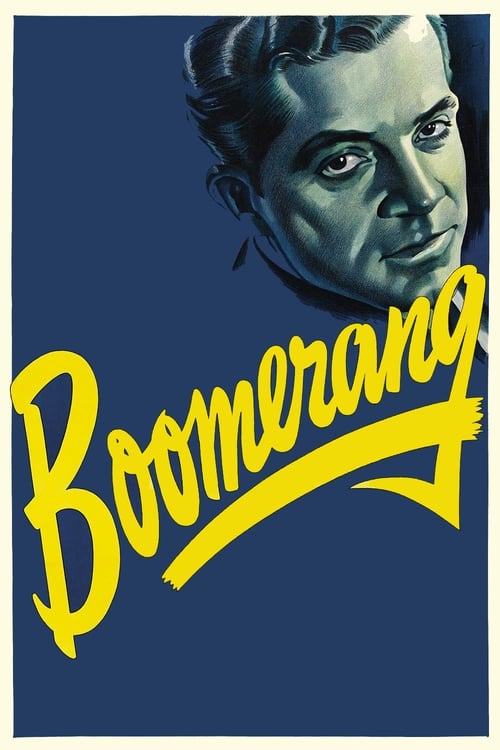
Boomerang!
1947
No user ratings available yet
Diversity score: 2.8 out of 10

1943
ApprovedDirector
George Cukor
Runtime
100 minutes
Average Rating
No ratings yetSynopsis
Famed reporter Stephen O'Malley travels to a small town to investigate the death of a national hero.
Overall Score
Limited
Category Breakdown
LGBTQ+ Representation
The film lacks LGBTQ+ characters or narratives addressing non-heteronormative identities. Interpersonal dynamics focus exclusively on traditional romantic and marital structures.
Gender Representation
Madeleine Carroll’s character provides significant emotional and moral agency, navigating her husband's political accusations. However, female agency remains largely confined to the domestic sphere.
Racial & Ethnic Diversity
The cast and setting reflect a homogeneous social stratum typical of 1943. The narrative focuses on a specific middle-to-upper-class American experience without significant racial diversity.
Religious & Cultural Diversity
The film critiques institutional authority and the pressure of social conformity. It explores how collective suspicion and political labeling can erode individual agency and personal truth.
Disability Representation
There are no visible or invisible disabilities portrayed as central to the character arcs or the narrative development.
Strengths
Areas for Improvement
AI Analysis
Keeper of the Flame is a period-specific drama that prioritizes ideological and political tension over demographic breadth. While it lacks representation for LGBTQ+ individuals and people with disabilities, it avoids being a mere moral binary by exploring complex social pressures. The film's strength lies in its intellectual depth, particularly regarding how institutions exert pressure on the individual. It offers a sophisticated look at situational ethics and the consequences of dissent within a social fabric. However, the production is limited by the era's cinematic standards, resulting in a homogeneous cast and a narrow focus on a specific class of American life. The gender dynamics, while empowering for the female lead, still lean heavily on domestic settings.
1947
1948
1937
1954
1945

1939
1954
1944

1947

1949
1949
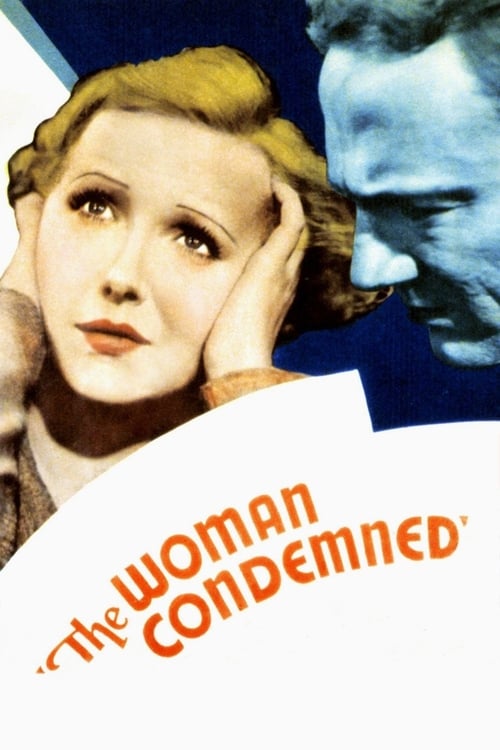
1934
No reviews yet. Be the first to share your thoughts on this movie!
Use the rating form above to leave a star rating and optional review.