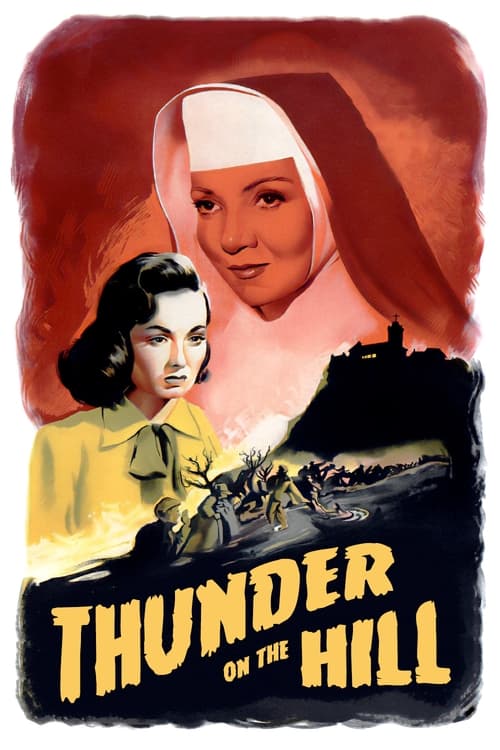
Thunder on the Hill
1951
No user ratings available yet
Representation score: 4.3 out of 10
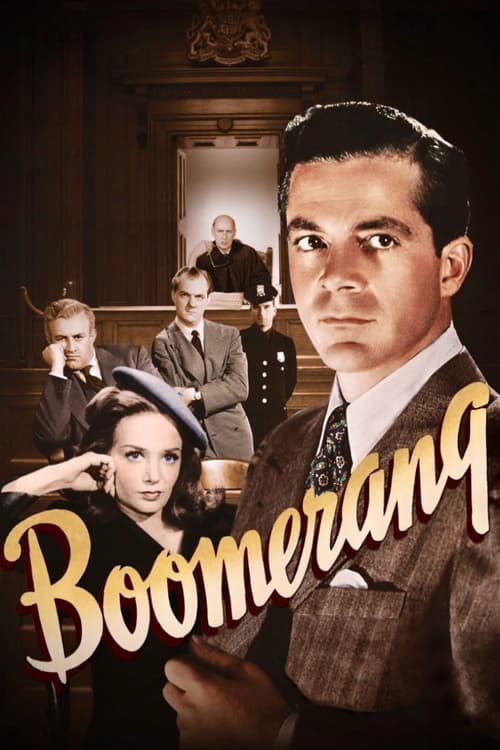
Representation Score
Limited
1947
ApprovedDirector
Elia Kazan
Runtime
88 minutes
Average Rating
No ratings yetNew Showbiz Analysis
Boomerang! serves as a psychological study of upper-class social norms rather than a diverse ensemble piece. Its progressive qualities lie in its deconstruction of bourgeois decorum and its refusal to sanitize high-society life. While the film features nuanced female characters with psychological ability to act, it is constrained by the era's lack of racial and LGBTQ+ visibility. The narrative centers almost exclusively on a specific, homogeneous socioeconomic stratum. Ultimately, the film's value lies in its exploration of individual identity and social detachment within a rigid class structure, despite lacking modern multi-layered breadth.
Category Breakdown
The film does not include any LGBTQ+ characters or depict non-straight relationships. The social framework focuses on traditional romantic structures.
Female characters play a significant role in driving the story and social assertiveness, breaking away from passive roles. They challenge mid-century stereotypes by pursuing their own emotional goals.
The cast and social setting are predominantly white and upper-class. The film reflects the demographic homogeneity of its 1947 production context with no significant minority representation.
The narrative criticizes Western materialism by showing affluent lives as spiritually empty. It explores how environments shape social behaviors and moral decisions.
There is no representation of physical or neurodivergent disabilities within the main cast or character arcs.
Present on Screen
Limited or Absent
Official Synopsis
When a kindly priest is murdered while waiting at a street corner in a quiet Connecticut town, the citizens are horrified and demand action from the police. All of the witnesses identify John Waldron, a nervous out-of-towner, as the killer. District Attorney Henry Harvey is then put on the case and faces political opposition in his attempt to prove Waldron's innocence.
1951
1948
1937
1954
1946
1947
1950

1940
No reviews yet. Be the first to share your thoughts on this movie!
Use the rating form above to leave a star rating and optional review.