Thunder on the Hill
1951
No user ratings available yet
Diversity score: 4.1 out of 10
1950
Director
André Cayatte
Runtime
105 minutes
Average Rating
No ratings yetSynopsis
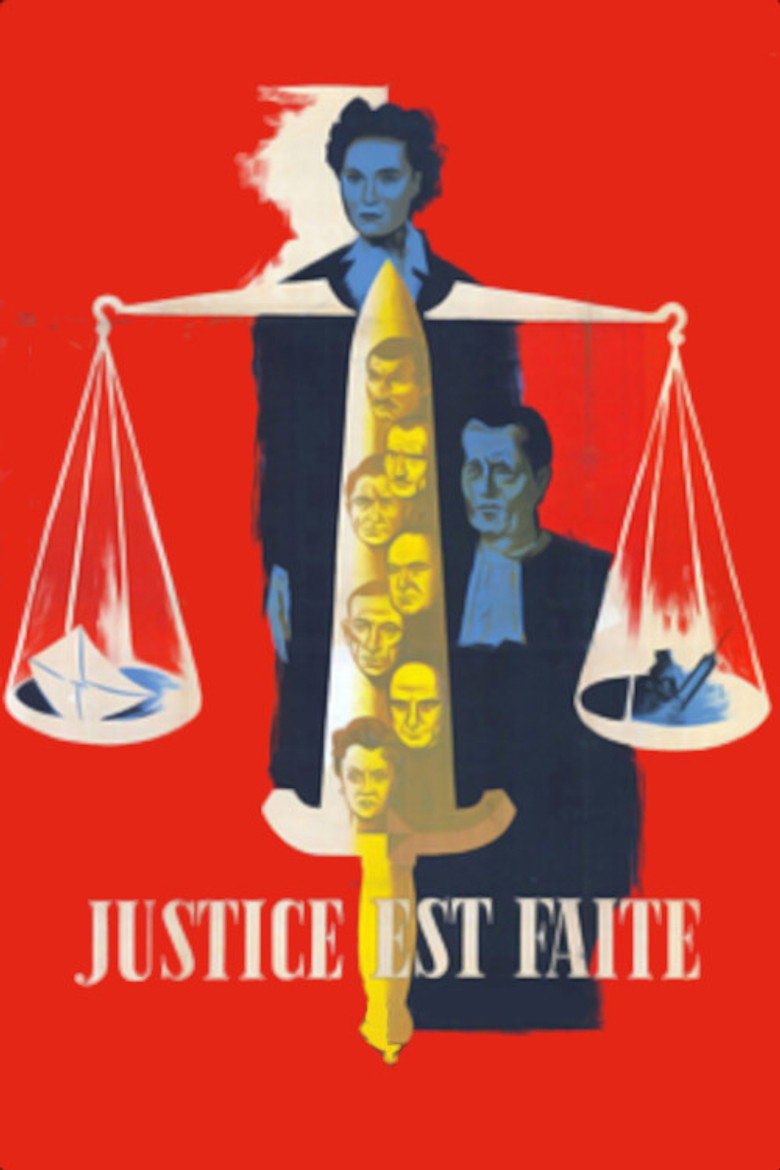
Elsa Lundenstein is accused of having murdered her lover. The jury discusses the case vividly. All members are somehow prejudiced because of personal life experience and subsequently each member reads something different into the presented facts.
Overall Score
Fair
Category Breakdown
LGBTQ+ Representation
The film focuses exclusively on heteronormative romance and the legal fallout of female sexual agency. No queer identities or non-cisnormative narratives appear in the cast or plot.
Gender Representation
The narrative centers on a woman's autonomy, resisting the trope of the passive female victim. It critiques the patriarchal judgment and intense scrutiny imposed upon her intellect and agency.
Racial & Ethnic Diversity
The cast is predominantly homogeneous, reflecting the social constraints of 1950s France. The film does not use diverse casting to challenge the era's demographic norms.
Religious & Cultural Diversity
The film offers a profound critique of Western judicial institutions. It portrays the jury as a collection of biased individuals, showing how truth is shaped by class and religion.
Disability Representation
There are no prominent depictions of physical or neurodivergent disabilities used as central plot drivers or character traits.
Strengths
Areas for Improvement
AI Analysis
Justice Is Done is a sophisticated deconstruction of institutional authority. By utilizing a legal procedural framework, the film exposes how personal prejudice and situational ethics can corrupt the pursuit of objective truth. The film excels in its thematic subversion, particularly in how it challenges the reliability of Western judicial structures. It moves beyond simple storytelling to examine the systemic fallibility of the law. However, the work is limited by its historical context. It lacks modern demographic breadth, offering very little representation regarding racial diversity or LGBTQ+ identities.
1951
1947
1961

1950
1969
1959
1958
1951
1937

1948
1954
2014
No reviews yet. Be the first to share your thoughts on this movie!
Use the rating form above to leave a star rating and optional review.