The Woman I Love
1929
No user ratings available yet
Diversity score: 2.6 out of 10
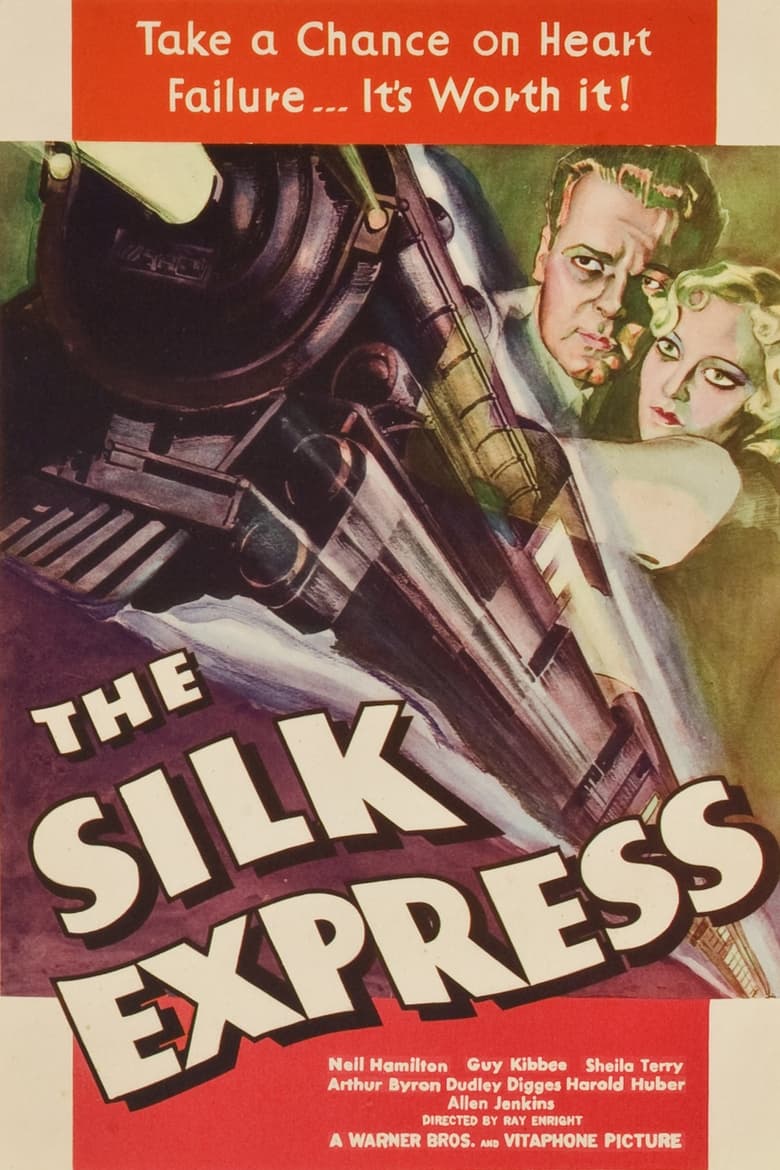
1933
Director
Ray Enright
Runtime
61 minutes
Average Rating
No ratings yetSynopsis
As the demand for raw silk goes sky high, crooked businessman Wallace Myton corners the market with plans to drive up the price. Determined to fulfill his contracts, manufacturer Donald Kilgore imports $3 million worth of silk to Seattle and accompanies it by special train to New York. But when his secretary is found murdered, Kilgore soon discovers Myton has planted three killers on board with orders to stop the express and its passengers dead in their tracks.
Overall Score
Limited
Category Breakdown
LGBTQ+ Representation
The film focuses on a crime-driven plot involving businessmen and a murder investigation. There is no evidence of non-cisnormative identities or narratives that critique heteronormativity.
Gender Representation
Narrative roles are predominantly male-centric, focusing on a power struggle between two men. The female presence is limited to a victimized secretary, a trope that reinforces traditional gender hierarchies.
Racial & Ethnic Diversity
The setting and era suggest a narrative focused on Western industrialism. The plot implies a homogeneous social environment typical of early 20th-century American studio dramas.
Religious & Cultural Diversity
The film explores themes of systemic corruption and capitalist ethics. However, it frames these issues through a traditional lens of law, order, and the protection of property.
Disability Representation
There is no mention of characters possessing visible or invisible disabilities. No evidence of neurodivergent representation is present in the narrative.
Strengths
Areas for Improvement
AI Analysis
The film follows a standard 'hero vs. villain' framework centered on industrial corruption and capitalist greed. The conflict is driven by the struggle between Wallace Myton and Donald Kilgore, leaving little room for diverse perspectives. Representation is limited by the era's cinematic conventions. The narrative relies on traditional tropes, such as the female secretary serving as a passive victim to catalyze the male protagonist's journey. Ultimately, the story lacks intersectional complexity. It prioritizes a conventional morality and established social hierarchies typical of 1930s studio productions.
1929
1951
1921
1951
No reviews yet. Be the first to share your thoughts on this movie!
Use the rating form above to leave a star rating and optional review.