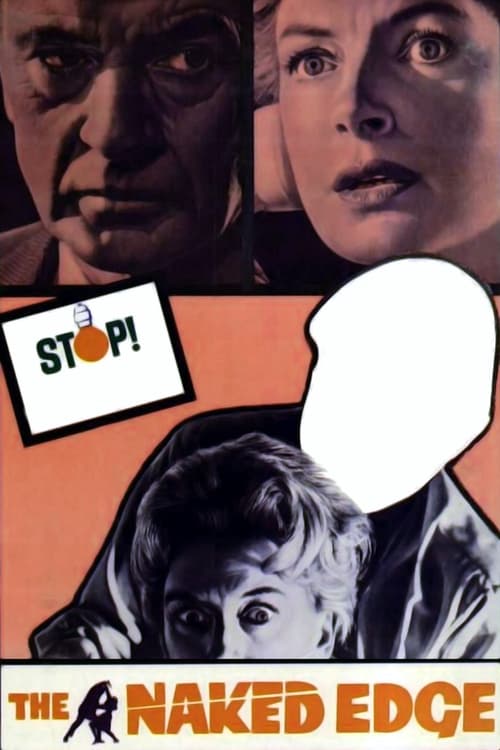
The Naked Edge
1961
No user ratings available yet
Representation score: 0.5 out of 10
Representation Score
Minimal
1958
NRDirector
John Guillermin
Runtime
84 minutes
Average Rating
No ratings yetNew Showbiz Analysis
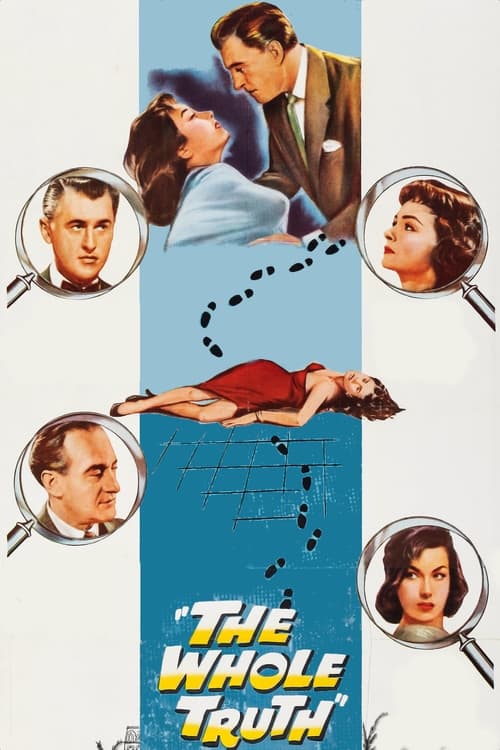
The Whole Truth is a classic mid-century psychological thriller that aligns closely with the social and demographic norms of 1958. The narrative centers on the intricacies of interpersonal deception and the fragility of truth within a conventional high-society context. While the film offers some psychological depth to its female characters, it does so within a traditional framework. The story does not disrupt established gender, racial, or cultural norms, presenting a singular, Western-centric perspective.
Category Breakdown
The film focuses on heterosexual relationships and does not include any LGBTQ+ identities. The plot revolves around a married couple and their interactions, which do not explore any non-binary gender identities.
Female characters play key roles in creating and resolving interpersonal conflicts. Their actions and reactions center around issues of fidelity and domestic stability, following traditional gender dynamics.
The cast is entirely composed of white actors of European descent, reflecting a high-society setting. There is no representation of non-white or non-Anglo-Saxon individuals in the story.
The film depicts a mid-century Western society focused on maintaining upper-class reputations. It avoids any critique of capitalism or religion, emphasizing traditional social stability.
The film does not address physical or neurological disabilities. None of the characters are used as plot devices related to disability.
Present on Screen
Limited or Absent
Official Synopsis
On the French Riviera, movie producer Max Poulton is on location shooting a film starring his lover, Gina Bertini. But when the rueful Max ends his fling with Gina to return to his loyal wife, Carol, the jilted actress threatens to reveal details of their affair to Carol. Later, at a party at Max's villa, investigator Carliss arrives with news that Gina has been killed and that Max is a murderer suspect.
1961
1947
1969
1947
1973
1960
2008

1944
No reviews yet. Be the first to share your thoughts on this movie!
Use the rating form above to leave a star rating and optional review.