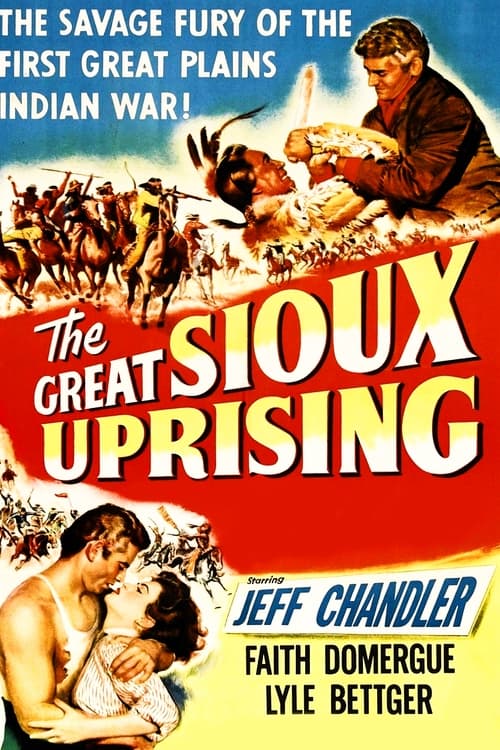
The Great Sioux Uprising
1953
No user ratings available yet
Diversity score: 2.3 out of 10
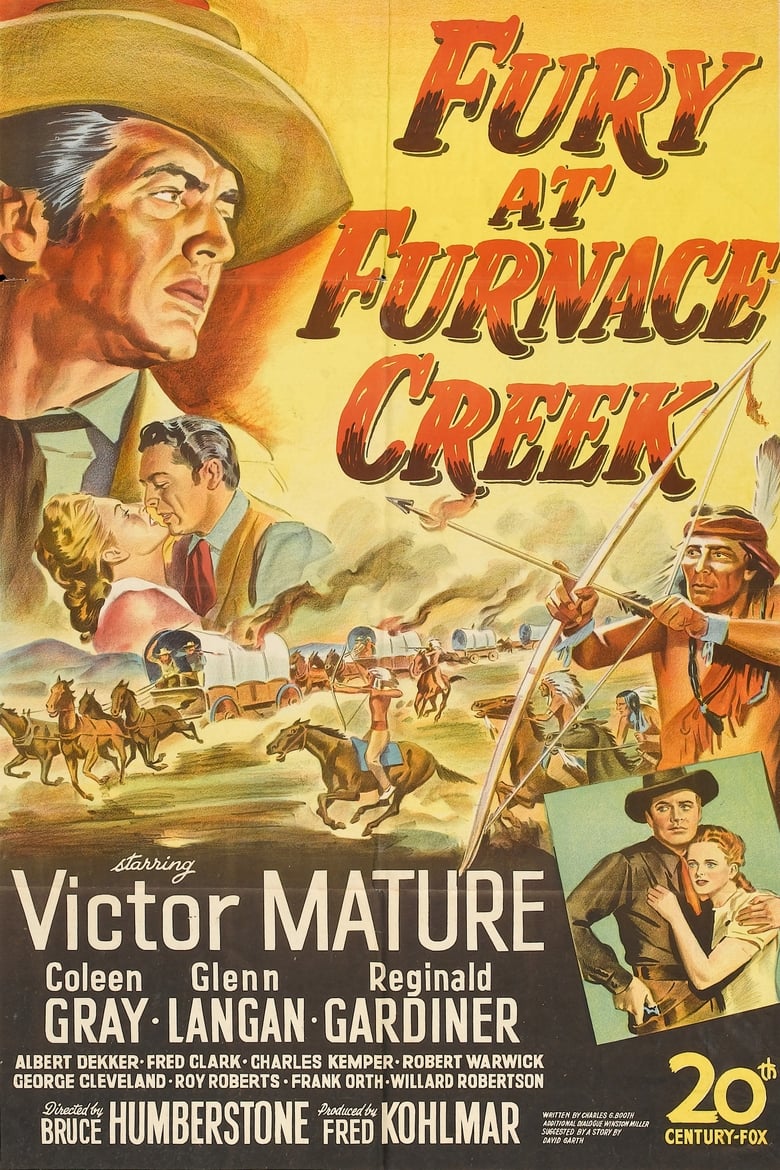
1948
Director
H. Bruce Humberstone
Runtime
88 minutes
Average Rating
No ratings yetSynopsis
The Arizona wilderness, 1880. Gen. Fletcher Blackwell sends a message telling Capt. Walsh, who is escorting a wagon-train through Apache territory, heading for the fort at Furnace Creek, that he should cancel the escort and rush to another town. Apache leader "Little Dog" is leading the attack on the wagon-train and massacring everyone at the poorly manned fort. As a result the treaty is broken with the Indians and the white settlers take over the territory with the help of the cavalry, as the Apaches are wiped out and only "Little Dog" remains at large. Gen. Fletcher Blackwell is court-martial-led for treason.
Overall Score
Limited
Category Breakdown
LGBTQ+ Representation
The film lacks any evidence of LGBTQ+ characters or non-heteronormative narratives. It operates within the strict social and cinematic codes of 1948.
Gender Representation
The narrative focuses on military hierarchy and male-dominated frontier conflict. While women appear in the wagon train, they likely occupy domestic or victimized archetypes.
Racial & Ethnic Diversity
The plot centers on conflict between white settlers and Apache forces. The narrative culminates in the Apache being wiped out, reflecting colonialist tropes of the era.
Religious & Cultural Diversity
The story reinforces traditional Western institutional values and territorial expansion. It upholds standard frontier morality rather than exploring secularist or anti-capitalist themes.
Disability Representation
There is no mention of characters with visible or invisible disabilities. This category cannot be meaningfully assessed based on the available information.
Strengths
Areas for Improvement
AI Analysis
Fury at Furnace Creek is a traditional 1948 Western that reinforces established social hierarchies and colonialist narratives. The film prioritizes the expansionist mythos of the American frontier over nuanced character studies or the representation of marginalized identities. The story follows a military-centric plot involving Captain Walsh and General Blackwell, emphasizing masculine leadership and institutional order. This structure leaves little room for intersectional complexity or the subversion of mid-20th-century social norms. Ultimately, the film functions as a product of its time, adhering to the conventional power dynamics and genre tropes of the studio era.
1953
1951
1937
1927
1928
1953
1961

1946
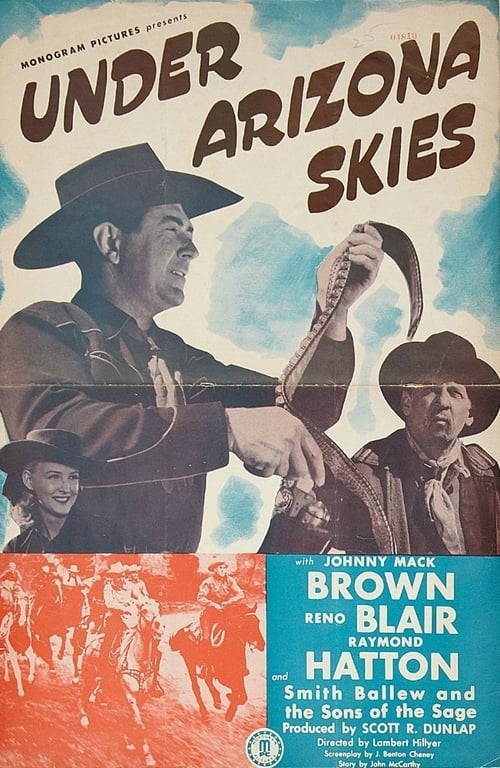
1946
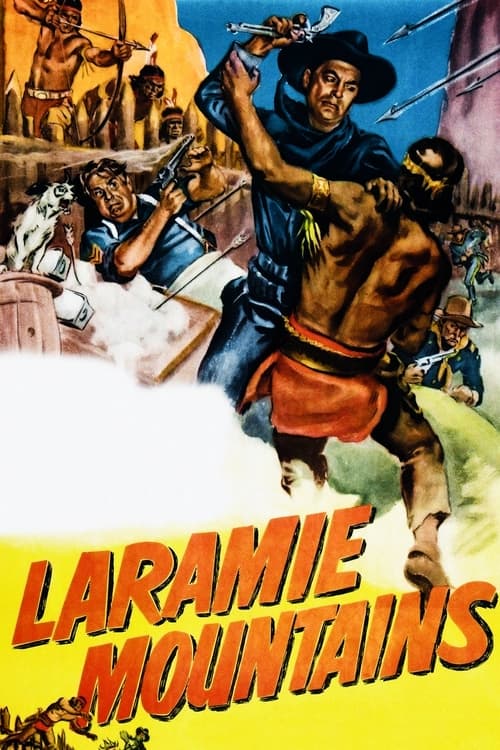
1952

1952

1955
No reviews yet. Be the first to share your thoughts on this movie!
Use the rating form above to leave a star rating and optional review.