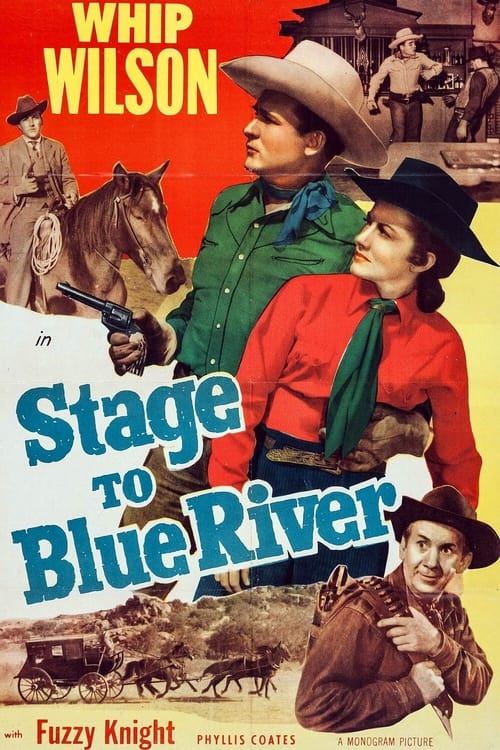
Stage to Blue River
1951
No user ratings available yet
Diversity score: 1.6 out of 10

1951
ApprovedDirector
Lewis D. Collins
Runtime
56 minutes
Average Rating
No ratings yetSynopsis
Jim Bannon and his partner own a stagecoach line. With the coming of the telegraph and the end of the Pony Express, two men plot to take over and get the new mail contract. When Jim's partner is murdered and Jim's name is written in the sand beside the body, Jim is arrested. At his trial Whip brings surprising evidence that clears Jim and the two plotters are soon arrested.
Overall Score
Limited
Category Breakdown
LGBTQ+ Representation
The film lacks LGBTQ+ characters or narratives addressing non-cisnormative identities. It adheres to the standard heteronormative framework common to 1950s Westerns.
Gender Representation
The plot centers on male agency, focusing on Jim Bannon and his partner. While the character Whip plays a key role in the trial, the narrative remains framed through a masculine lens.
Racial & Ethnic Diversity
The story focuses on internal conflicts among stagecoach operators. There is no mention of diverse ethnic groups or non-white characters holding positions of agency.
Religious & Cultural Diversity
The narrative reinforces traditional Western institutional values like property ownership and the legal system. It prioritizes the preservation of professional integrity and established social order.
Disability Representation
There is no information regarding characters with visible or invisible disabilities in this film.
Strengths
Areas for Improvement
AI Analysis
Stagecoach Driver is a conventional mid-century Western that prioritizes traditional genre tropes over social diversity. The narrative architecture is built around male-driven conflict, specifically regarding mail contracts and legal vindication. The film functions as a reinforcement of established social hierarchies and institutional values. It focuses on individual merit and the sanctity of contracts within a structured legal framework, offering little disruption to the status quo. Ultimately, the film reflects the era's cinematic standards, centering on Anglo-Saxon-style protagonists and traditional justice arcs without exploring intersectional identities or diverse cultural perspectives.
1951
1952
1952
1950
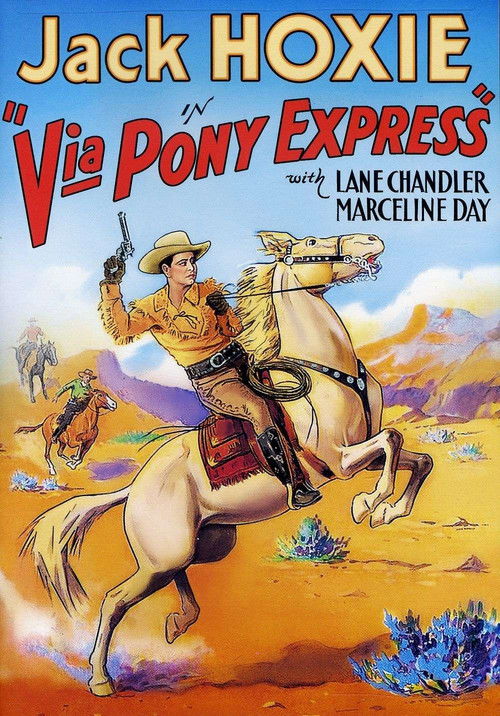
1933
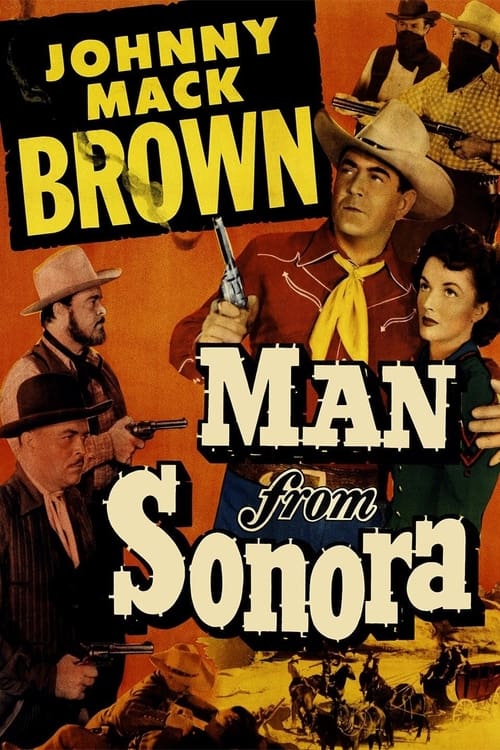
1951
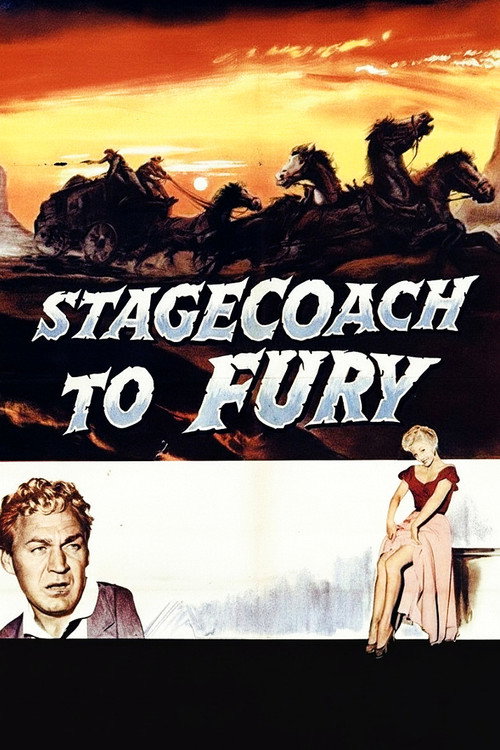
1956
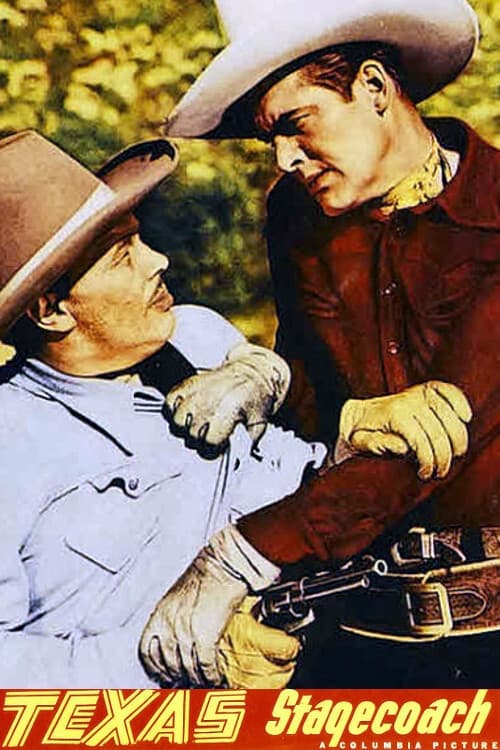
1940
1942
1946
1953
1943
No reviews yet. Be the first to share your thoughts on this movie!
Use the rating form above to leave a star rating and optional review.