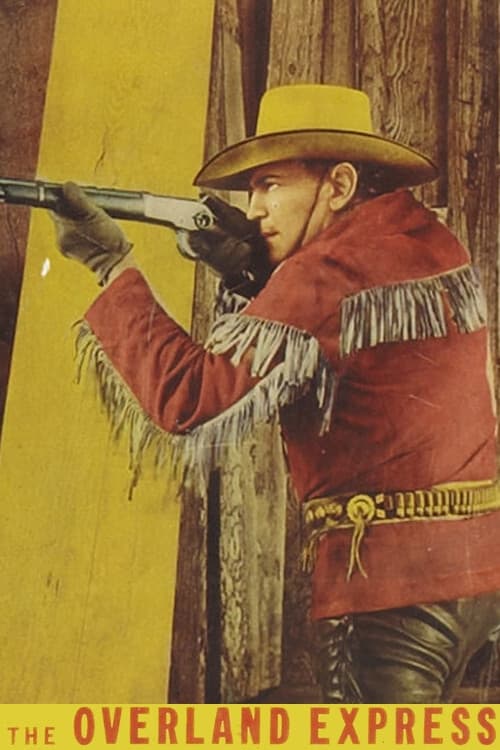
The Overland Express
1938
No user ratings available yet
Representation score: 0.3 out of 10
Representation Score
Minimal
1937
ApprovedDirector
B. Reeves Eason
Runtime
55 minutes
Average Rating
No ratings yetNew Showbiz Analysis
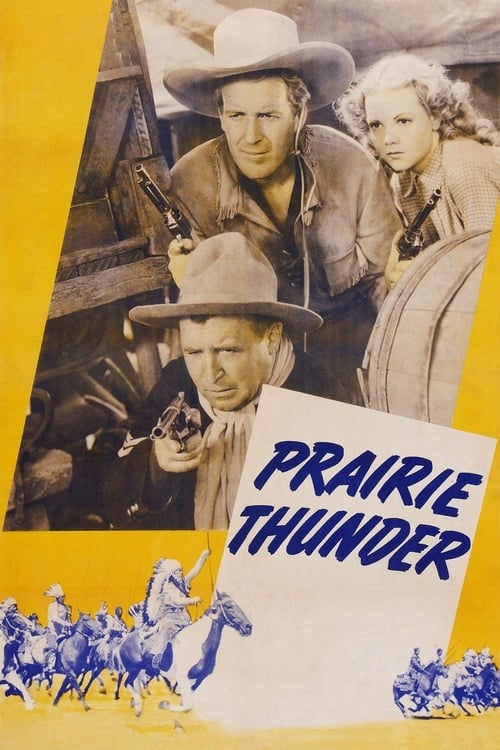
Prairie Thunder is a classic 1930s Western that focuses on fast-paced action and traditional frontier themes. The plot centers on industrial control and masculine heroism, offering limited space for diverse perspectives. The film leans heavily on established genre conventions, especially concerning racial and gender dynamics. Indigenous characters primarily serve as plot devices reacting to the white protagonist’s journey, while the main conflict revolves around male-driven power struggles. Overall, the film adheres to the cinematic standards of its time, providing minimal representation of underrepresented groups and emphasizing the protection of Western infrastructure and law and order.
Category Breakdown
The film does not include any LGBTQ+ characters or narratives that challenge traditional heterosexual relationships.
The story emphasizes a male-dominated power struggle, with no indication of women taking leading roles or challenging traditional gender roles.
Indigenous populations are used mainly as tools for conflict rather than characters with their own choices.
The film highlights Western expansion by focusing on the development of railroads and telegraph lines, without critiquing Western capitalism.
There are no characters with visible or invisible disabilities featured in the film.
Present on Screen
Limited or Absent
Official Synopsis
To increase profits for his shipping company, Lynch has goaded the Indians to attack both the telegraph line and the new railroad. When Lynch sells rifles to the Indians, Rod Farrell captures Lynch and his gang. But Lynch's Indian friends free him and this time Farrell finds himself the prisoner.
1938
1963
1941

1939
1953
1969
1932
1938
No reviews yet. Be the first to share your thoughts on this movie!
Use the rating form above to leave a star rating and optional review.