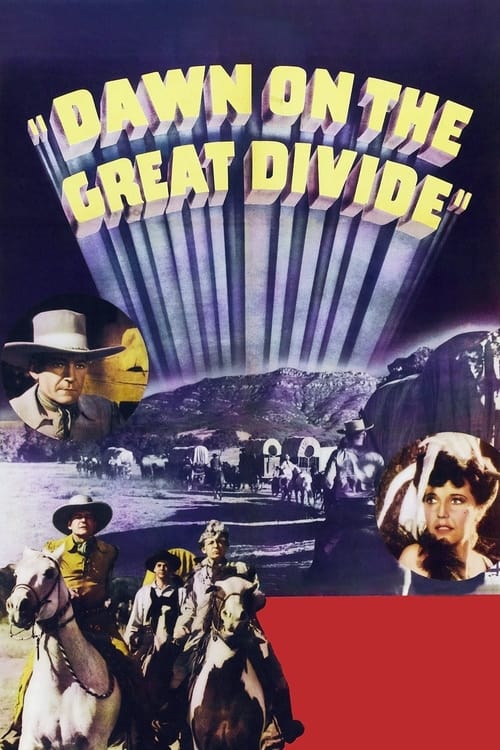
Dawn on the Great Divide
1942
No user ratings available yet
Representation score: 0.3 out of 10

Representation Score
Minimal
1946
ApprovedDirector
Wallace Fox
Runtime
55 minutes
Average Rating
No ratings yetNew Showbiz Analysis
Gun Town is a quintessential 1940s B-movie Western that prioritizes traditional genre archetypes over social complexity. The film functions as a linear morality tale, focusing on law enforcement and the pursuit of justice through established masculine roles. While the plot introduces a layer of deception involving racial masquerade, this serves the mechanics of the crime story rather than providing a nuanced look at ethnic identity. The characters operate within rigid social hierarchies typical of the era. Ultimately, the film offers little in the way of representation, instead reinforcing the status quo of the mid-century American frontier through its reliance on standard clichés and institutional values.
Category Breakdown
The film follows a traditional framework where everyone is assumed to be straight and cisgender. There are no depictions of LGBTQ+ identities or same-sex relationships.
Gender roles are strictly traditional. Buckskin Sawyer serves as a plot catalyst for the male protagonist rather than having her own independent role.
The story uses racial identity as a deceptive plot device. White men pretend to be Indigenous people to commit robberies, reinforcing standard genre clichés.
The narrative reinforces mid-century Western values. It emphasizes legal authority and a clear moral binary to resolve the central conflict.
There is no mention of characters navigating physical or neurodivergent disabilities within the narrative.
Present on Screen
Limited or Absent
Official Synopsis
Indian Agent Kip Lewis arrives in Gun Town where Buckskin Sawyer is having her payroll shipments robbed by Indians. Kip and his men are ready the next time and learn the robbers are white men dressed as Indians. Kip finds Davy Sawyer's case at the scene and confronts him. When Davy accuses Talbot whom he lent it to, Talbot shoots him. But Davy names Talbot before he dies and Kip goes after him.
1942
1952
1946
1953
1946
1943
1936
1942
No reviews yet. Be the first to share your thoughts on this movie!
Use the rating form above to leave a star rating and optional review.