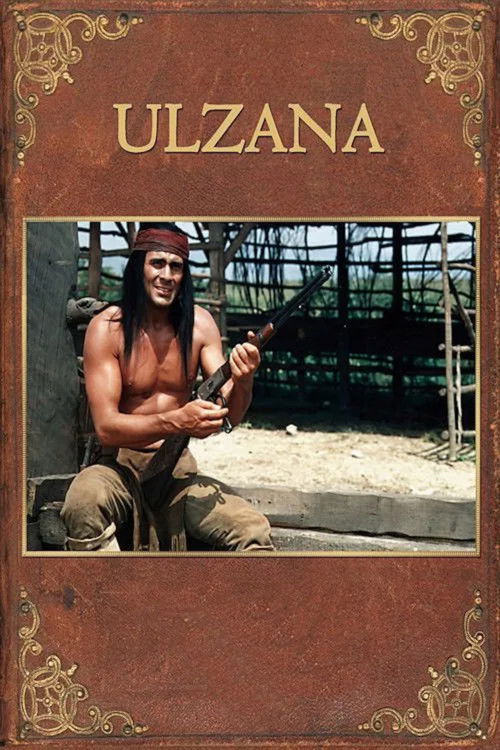
Ulzana
1974
No user ratings available yet
Representation score: 1.1 out of 10

Representation Score
Limited
1976
PGDirector
Irvin Kershner
Runtime
129 minutes
Average Rating
No ratings yetNew Showbiz Analysis
The film serves as a transitional Western text that challenges traditional genre clichés. It moves away from the 'civilized vs. savage' dichotomy by positioning Indigenous culture as a sophisticated standard for the protagonist to follow. While the film offers a strong critique of European aristocratic structures and colonial expansion, it lacks depth in reflecting multiple aspects of identity. The narrative remains heavily anchored in masculine-centric storytelling and traditional gender hierarchies. Ultimately, the film achieves progressive intent through its depiction of Indigenous ability to act, even as it maintains a Western lens for its primary character development.
Category Breakdown
The film focuses on traditional masculine rites of passage and assumes everyone is straight or cisgender. It does not include any non-assuming gender matches what was assigned at birth identities or same-sex intimacy.
The narrative emphasizes the male protagonist's physical strength and his assimilation into society. Women are mostly sidelined and play minor roles in the main conflict.
The film avoids whitewashing by casting actors who match the Sioux characters' identities. However, the perspective is still viewed through a Western protagonist.
The story criticizes Western capitalism and colonial expansion by portraying government-backed fur traders as the main antagonists. It suggests that Sioux communal codes provide a genuine alternative.
There are no prominent depictions of visible or invisible disabilities. None of the characters have arcs defined by neurodivergence or physical impairments.
Present on Screen
Limited or Absent
Official Synopsis
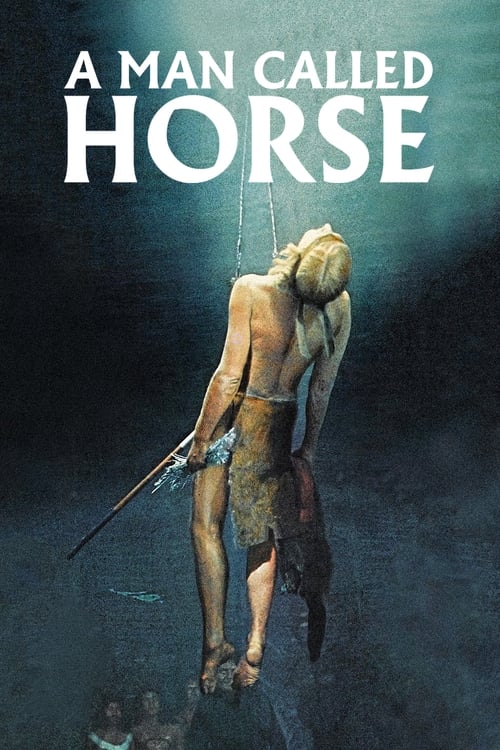
Lord John Morgan has returned to civilized life in England, but finds he has nothing but disdain for that life. Yearning to embrace the simplicity of the American West, and the Sioux tribe he left behind, Morgan returns to the their land only to discover that they've been decimated by ruthless, government-backed fur traders. Led by Horse, they fight to repossess their land.
1974

1971
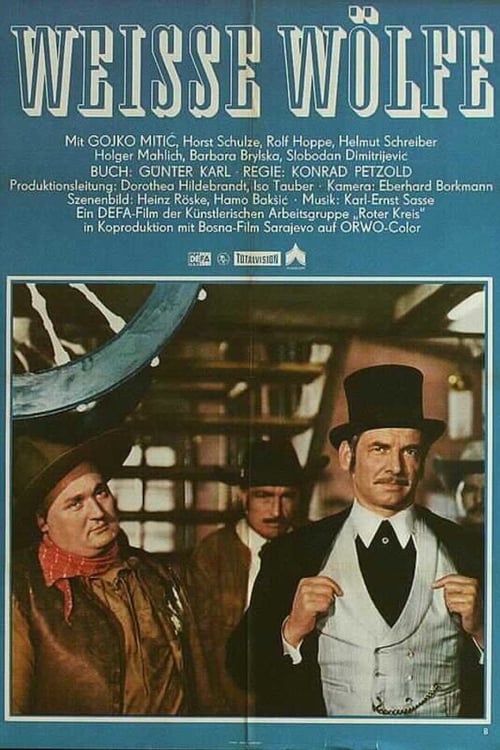
1969
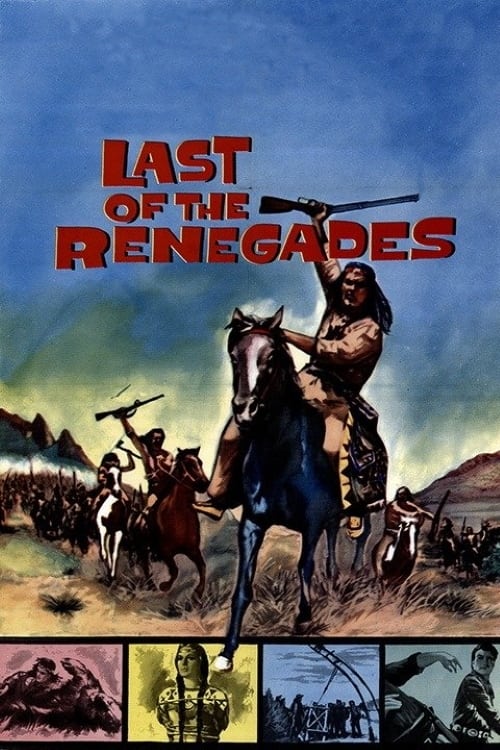
1964

1973
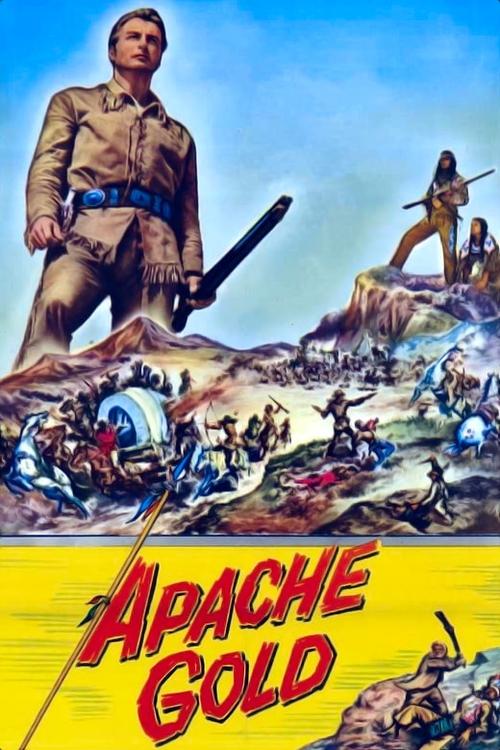
1963
1968
1970
No reviews yet. Be the first to share your thoughts on this movie!
Use the rating form above to leave a star rating and optional review.