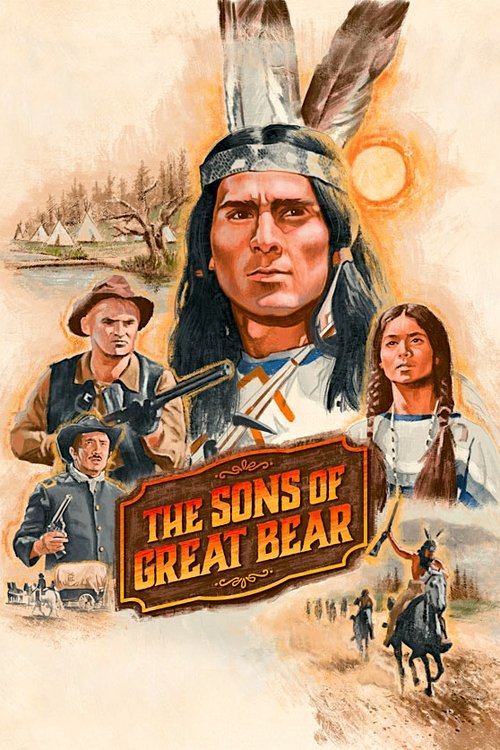
The Sons of Great Bear
1966
No user ratings available yet
Representation score: 2.7 out of 10
Representation Score
Fair
1968
Director
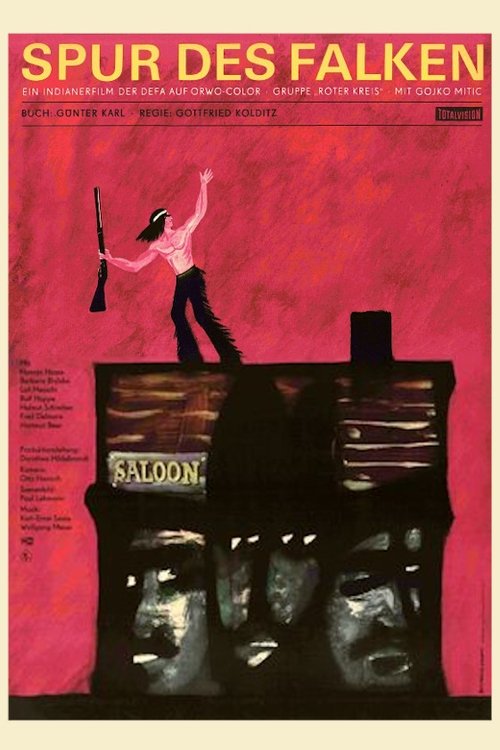
Gottfried Kolditz
Runtime
113 minutes
Average Rating
No ratings yetNew Showbiz Analysis
Trail of the Falcon serves as a transitional Western that moves away from purely celebratory colonial narratives. It gains significant merit by positioning the Lakota as a central, proactive force in the conflict over sacred territory. However, the film remains tied to traditional genre limitations, emphasizing masculine aggression and lacking diverse gender or LGBTQ+ perspectives. Ultimately, the film's strength lies in its critique of capitalist greed and respect for indigenous sovereignty, even while maintaining conventional social hierarchies.
Category Breakdown
The film follows traditional Western genre conventions from the 1960s and does not include any LGBTQ+ characters or narratives exploring non-straight relationships.
Male figures hold most of the ability to act, focusing on aggressive masculinity. The narrative lacks detailed female character development, emphasizing male roles as speculators and warriors.
The Lakota people are portrayed as active participants in the conflict rather than passive victims. This highlights their ability to act and disrupts typical clichés of uncontrolled settler expansion.
The film critiques the gold rush by portraying it as a violent disruption of sacred land. It challenges the traditional narrative of progress through a lens of cultural sovereignty.
There is no discernible evidence regarding the portrayal of physical or neurodivergent disabilities in this work.
Present on Screen
Limited or Absent
Official Synopsis
In the latter half of the 19th century, gold is discovered in the Black Hills, sacred land of the Lakota people. Gold diggers, profiteers and adventurers flock to the region. Among them is the hard-hearted land speculator Bludgeon, who tries to expel the Lakota using brutal methods. Lakota warriors retaliate, and soon the gold diggers' town becomes a battlefield.
1966
1963
1969
1969
1974
1965
1970

1950
No reviews yet. Be the first to share your thoughts on this movie!
Use the rating form above to leave a star rating and optional review.