Find another title
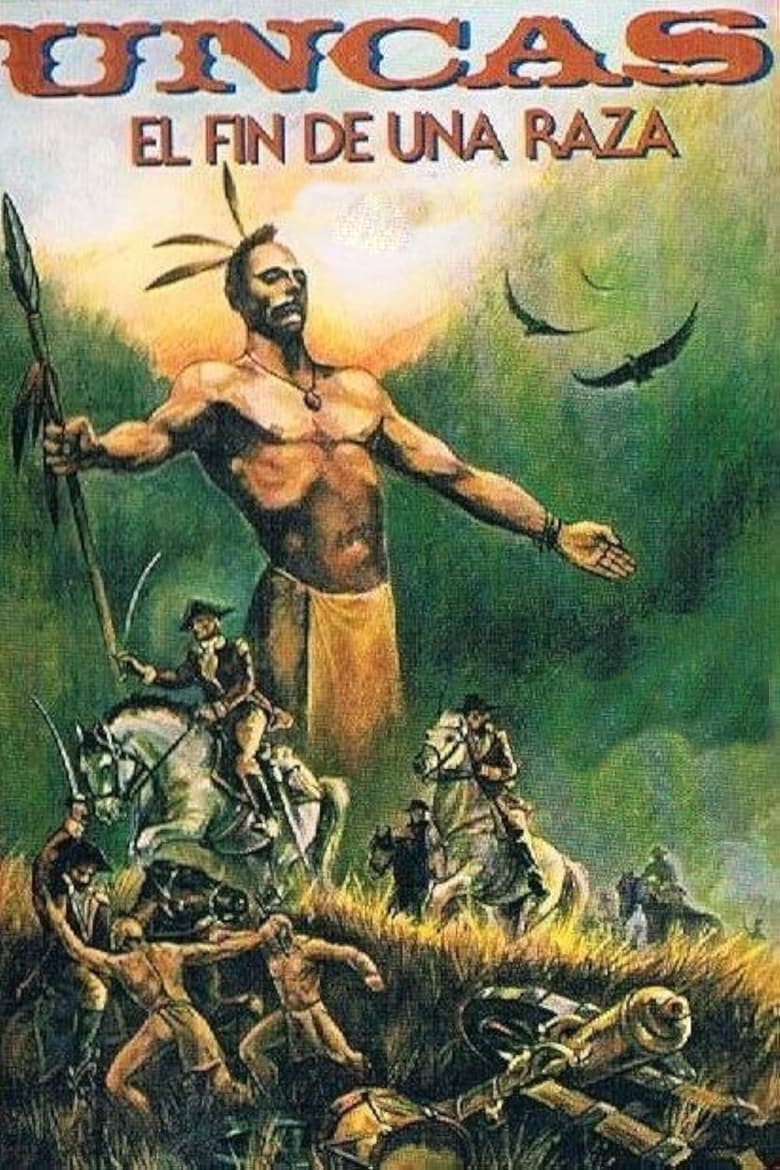
Fall of the Mohicans
1965
Director
Mateo Cano
Runtime
85 minutes
Average Rating
No ratings yetSynopsis
As Alice and Cora Munro attempt to find their father, a British officer in the French and Indian War, they are set upon by French soldiers and their cohorts, Huron tribesmen led by the evil Magua. Fighting to rescue the women are Chingachgook and his son Uncas, the last of the Mohican tribe, and their white ally, the frontiersman Natty Bumppo, known as Hawkeye.
Where to Watch
Diversity & Representation
Overall Score
Limited
Category Breakdown
LGBTQ+ Representation
The film adheres to conventional mid-century tropes, focusing on heteronormative dynamics. There is no evidence of same-sex intimacy or non-cisnormative gender identities within the narrative.
Gender Representation
Female characters Alice and Cora serve as passive subjects to be rescued rather than active agents. Agency is concentrated in male protagonists, reinforcing traditional gender hierarchies.
Racial & Ethnic Diversity
Indigenous characters like Chingachgook and Uncas hold central roles, providing meaningful representation. However, the portrayal of Magua as an evil antagonist risks utilizing the 'savage' trope.
Religious & Cultural Diversity
The story follows a standard hero-versus-villain trajectory within a colonialist framework. It lacks explicit critique of Western imperial interests or institutional structures.
Disability Representation
No visible or invisible disabilities are portrayed among the primary characters in this production.
Strengths
- Indigenous characters like Chingachgook and Uncas are central protagonists rather than background figures.
- The film provides meaningful representation of non-Anglo-Saxon characters within the central plot.
Areas for Improvement
- Female characters lack agency, serving primarily as passive subjects to be rescued by men.
- The portrayal of Magua risks leaning into harmful 'savage antagonist' tropes common in Westerns.
- The narrative lacks critique of colonialist structures, following a standard imperialist adventure framework.
AI Analysis
The film operates as a traditional period adventure, heavily reliant on mid-century genre conventions. While it avoids making Indigenous characters mere background elements, the narrative agency remains firmly tethered to masculine and colonialist structures. Representation is unevenly distributed. The inclusion of Mohican protagonists offers a moderate level of ethnic diversity for the era, yet the plot's reliance on the 'evil antagonist' trope and passive female roles limits its depth. Ultimately, the work functions as a standard Western, prioritizing action and traditional hero archetypes over intersectional complexity or social critique.
Rate this Movie
Reviews
No reviews yet. Be the first to share your thoughts on this movie!
Use the rating form above to leave a star rating and optional review.