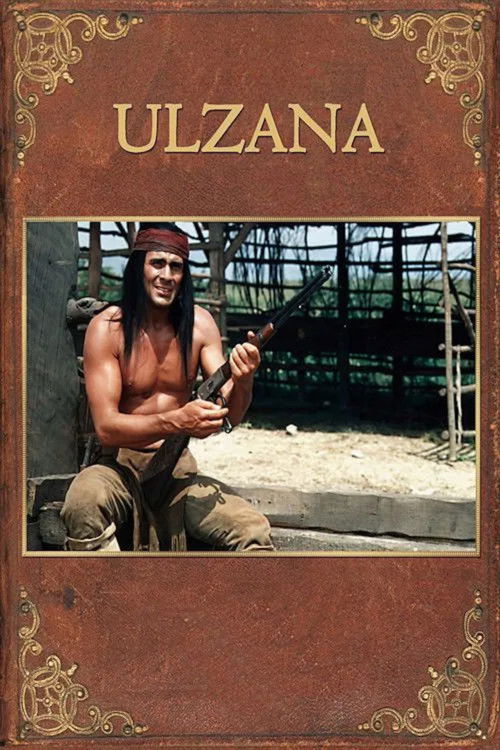
Ulzana
1974
No user ratings available yet
Representation score: 1.1 out of 10

Representation Score
Limited
1973
Director
Gottfried Kolditz
Runtime
94 minutes
Average Rating
No ratings yetNew Showbiz Analysis
Apache (1973) stands out from many Westerns by centering the indigenous perspective. By focusing on Chief Ulzana and the systemic pressures of colonial expansion, the film moves beyond simple hero-villain binaries to explore the complexities of cultural survival. However, the film remains heavily constrained by the genre clichés of its era. It relies on traditional masculine hierarchies and lacks meaningful women's ability to drive the story or representation of non-straight-centered identities. While the portrayal of the Apache provides cultural depth, the film's overall diversity is limited by its focus on combat-driven narratives and a lack of representation for disability or diverse social identities.
Category Breakdown
The film does not include any LGBTQ+ characters or narratives. It portrays a social landscape through a strictly traditional lens without any visible queer identities.
The plot focuses on masculine hierarchies, driven almost exclusively by male military leaders and tribal chiefs. It lacks significant women's ability to drive the story or subversion of gendered power dynamics.
The narrative centers on the Apache people and their struggle against encroachment. This disrupts standard white savior clichés by focusing on the indigenous experience of displacement.
The film critiques military expansionism and the erosion of indigenous sovereignty. However, it avoids modern deconstructions of religion, focusing instead on immediate territorial survival.
There is no intentional depiction of physical or neurodivergent disabilities. Physical trauma is treated as an incidental result of combat rather than a lived experience.
Present on Screen
Limited or Absent
Official Synopsis
The story of Ulzana, an Apache chief who has reached a rapprochement with the local Mexican population and generously extends it to whites who travel through the territory. His people have become inured to the treacherous ways of the white man, however, and are now reliant on them for booze, 'relief flour' and beef steak.
1974
1964

1976
1963

1964

1950
1968

1971
No reviews yet. Be the first to share your thoughts on this movie!
Use the rating form above to leave a star rating and optional review.