
Apache
1973
No user ratings available yet
Representation score: 3.7 out of 10
Representation Score
Minimal
1974
Director
Gottfried Kolditz
Runtime
95 minutes
Average Rating
No ratings yetNew Showbiz Analysis
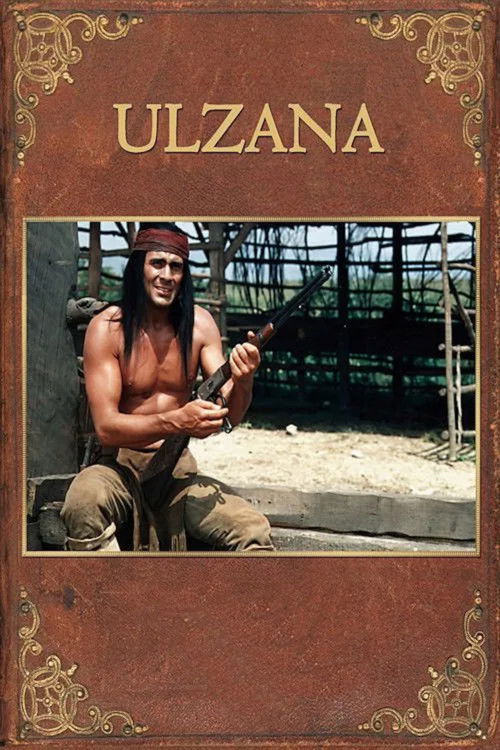
Ulzana subverts the traditional Western genre by shifting away from the 'civilized versus savage' binary to a lens of moral relativism. It avoids the typical hero clichés, instead framing the conflict as a systemic breakdown of morality driven by expansionist interests. The film's strength lies in its portrayal of Apache characters as a sophisticated society engaged in commerce and infrastructure development. This disrupts the 'primitive nomad' stereotype and highlights the predatory nature of capitalist expansion. However, the film is limited in its demographic scope. The heavy focus on military and tribal combat results in a near-total absence of female characters and LGBTQ+ representation, reducing its social breadth.
Category Breakdown
The film does not include any LGBTQ+ characters or narratives. The story revolves around masculine-coded military activities and tribal survival strategies.
The narrative is dominated by male characters, focusing on military units and patriarchal tribal leadership. Women have very little influence or control over the events in the story.
Apache characters are shown as having significant influence and are depicted as a sophisticated society managing irrigation and commerce. The film highlights their struggle for territorial sovereignty against predatory white settlers.
The film critiques traditional Western institutions by portraying the US Cavalry and mercantile class as corrupt agents of instability. It challenges the heroic archetype through moral relativism.
There is no significant or intentional focus on visible or invisible disabilities within the character arcs.
Present on Screen
Limited or Absent
Official Synopsis
This rather unconventional Western movie is set in the middle of the 19th century in Arizona. The film portrays an Indian tribe, the Mimbreno Appacheans, who are celebrating their Thanksgiving, building an irrigation plant, carrying on commerce, and trying to settle down in a rather constricted territory. But the confrontation with the white Americans changes their situation as the mercantile "gentlemen" want to prevent the Indian tribe to become independent from the white men′s business practices. Thus, they destroy the irrigation plant and chase the Indian tribe in an inhospitable territory where they cannot survive. Led by their chief Ulzana, the Appacheans thus start a bitter fight to preserve their habitat.
1973
1963

1976
1964
1968

1971
1969

1950
No reviews yet. Be the first to share your thoughts on this movie!
Use the rating form above to leave a star rating and optional review.