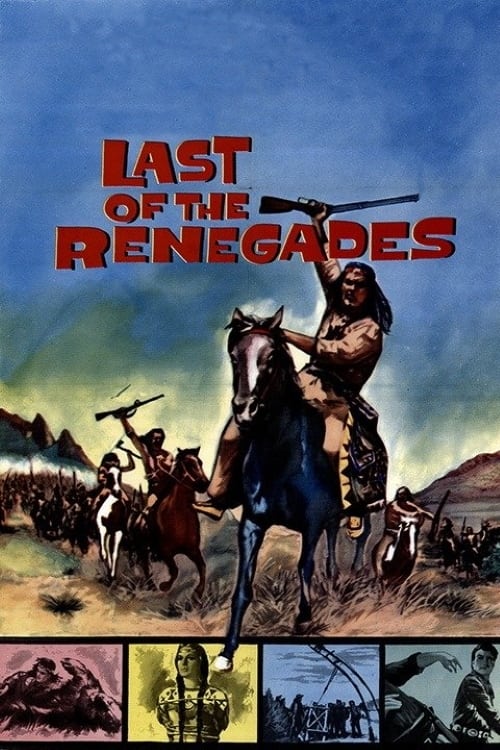
Last of the Renegades
1964
No user ratings available yet
Representation score: 4.2 out of 10
Representation Score
Limited
1963
NRDirector
Harald Reinl
Runtime
101 minutes
Average Rating
No ratings yetNew Showbiz Analysis
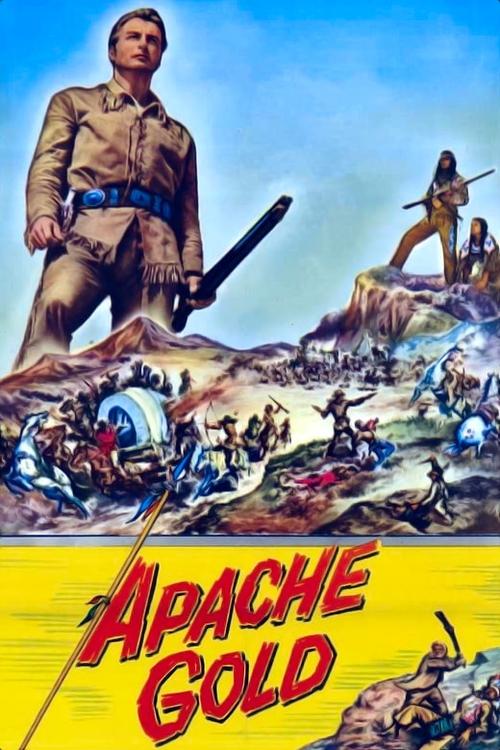
Apache Gold stands out for its refusal to treat indigenous characters as mere background elements. By centering the Apache struggle against the railroad, the film provides significant roles to its native protagonists and critiques the morality of unchecked Western expansionism. However, the film remains a product of its era regarding social identity. It adheres strictly to traditional gender hierarchies and lacks any representation of LGBTQ+ identities or neurodivergent characters, which limits its progressive reach. Ultimately, the film is a nuanced exploration of land rights and colonial friction, even as it maintains the conservative social structures typical of 1960s Western cinema.
Category Breakdown
The film adheres to traditional mid-century Western conventions and does not depict any non-straight or non-cisgender identities or same-sex relationships. Instead, it focuses on heterosexual and cisgender archetypes centered around duty and friendship.
Male characters like Old Shatterhand and Winnetou take leading roles, while women have supporting roles. The narrative follows established genre hierarchies without challenging traditional male leadership.
The story challenges Anglo-centric stereotypes by highlighting the Apache people as complex protagonists fighting against systemic oppression and protecting their land from colonial interests.
The film critiques expansionist motives by presenting the railroad's path as a violation of sacred land. It explores the tension between communal sanctity and the greed of Western industrial progress.
There are no prominent depictions of visible or invisible disabilities that serve as central plot drivers or character studies within the narrative.
Present on Screen
Limited or Absent
Official Synopsis
The construction of the Great Western Railroad creates heavy conflict between the railway company and neighboring Indian tribes. Worse, criminal gang leader Santer sets his eyes on a gold mine located on holy Indian land and influences the construction supervisor to re-rout the planned railroad straight through Apache land. Old Shatterhand, who works as a measurement technician, discovers the evil plan and searches contact with the Apaches in an effort to avert war.
1964
1962
1968
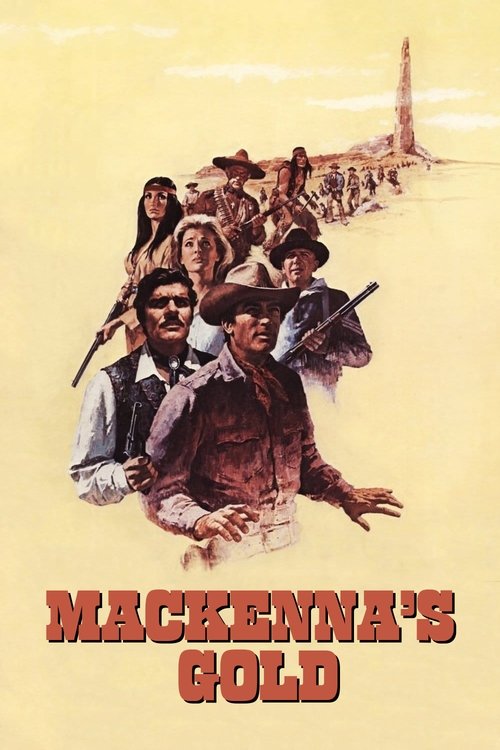
1969
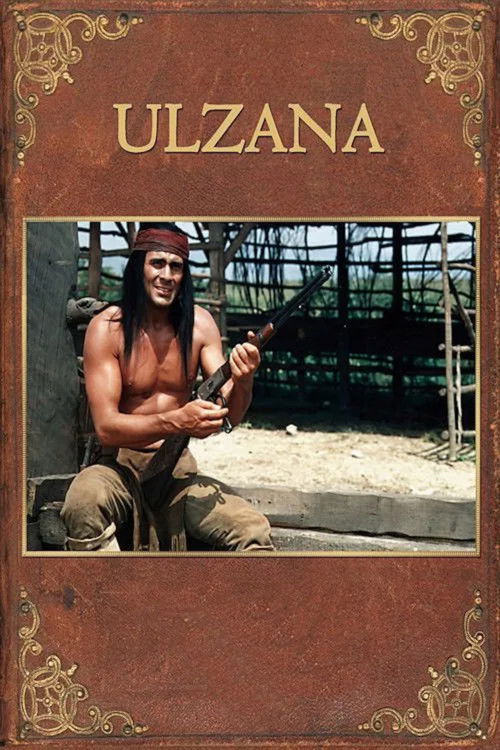
1974

1950
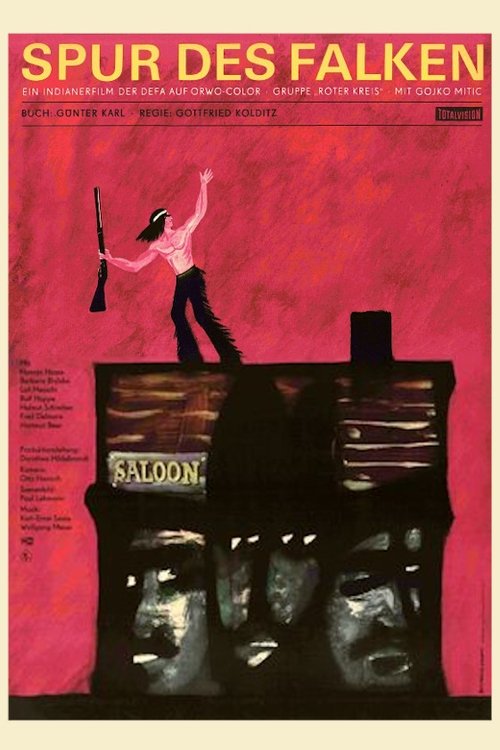
1968
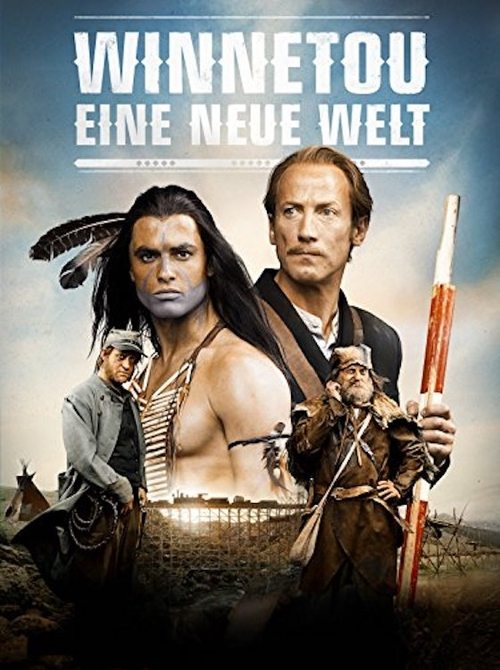
2016
No reviews yet. Be the first to share your thoughts on this movie!
Use the rating form above to leave a star rating and optional review.