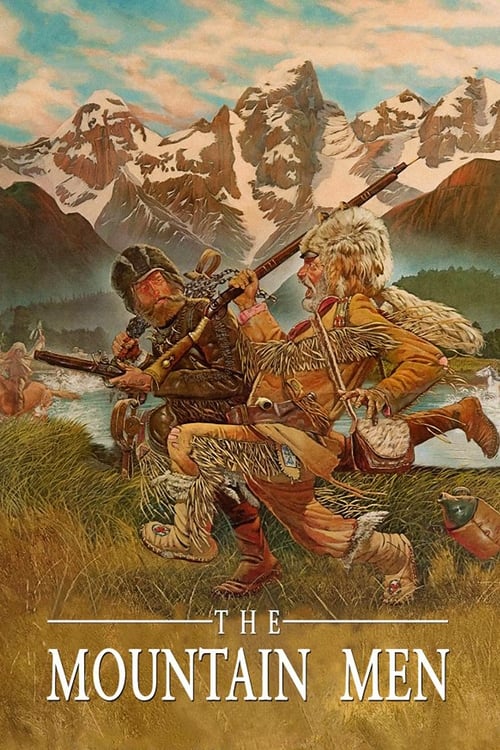
The Mountain Men
1980
No user ratings available yet
Representation score: 1.3 out of 10

Representation Score
Limited
1971
PGDirector
Richard C. Sarafian
Runtime
104 minutes
Average Rating
No ratings yetNew Showbiz Analysis
Man in the Wilderness is a traditional 1970s adventure film that relies heavily on established genre clichés. The narrative centers on a rugged, self-reliant male protagonist, reinforcing traditional masculine roles and gender conventions. Despite a lack of diverse casting and characters who reflect more than one aspect of diversity, the film provides a unique cultural perspective. It challenges the necessity of Western societal structures by presenting the protagonist's anti-social survival as a form of liberation rather than mere criminality. Ultimately, the film focuses on themes of isolation and vengeance. It uses physical trauma and racial settings as functional plot elements rather than tools for deep social or diverse representation.
Category Breakdown
The film follows a traditional storyline that assumes everyone is straight or cisgender. There is no depiction of non-straight relationships or gender identities beyond the norm.
Gender roles follow conventional patterns. The male protagonist embodies a rugged masculinity, while female characters mainly serve to connect the protagonist with civilization.
The main characters are predominantly white. Although there are Indian traders, indigenous elements are more functional to the setting than central to the plot.
The film criticizes Western institutions by portraying the protagonist's rejection of civilization as a noble pursuit. It emphasizes individual freedom over societal stability.
A bear attack injury triggers the revenge plot. The film does not explore disability or neurodivergence in depth.
Present on Screen
Limited or Absent
Official Synopsis
In the early 1800s, a group of fur trappers and Indian traders are returning with their goods to civilization and are making a desperate attempt to beat the oncoming winter. When guide Zachary Bass is injured in a bear attack, they decide he's a goner and leave him behind to die. When he recovers instead, he swears revenge on them and tracks them and their paranoiac expedition leader down.
1980

1972

1965
1981

1969

1965

2015
1930
No reviews yet. Be the first to share your thoughts on this movie!
Use the rating form above to leave a star rating and optional review.