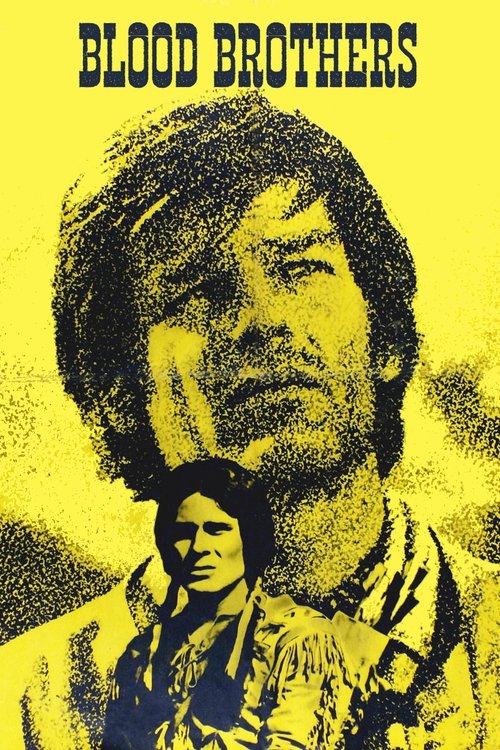
Blood Brothers
1975
No user ratings available yet
Representation score: 3.7 out of 10
Representation Score
Minimal
1954
NRDirector
Raoul Walsh
Runtime
87 minutes
Average Rating
No ratings yetNew Showbiz Analysis
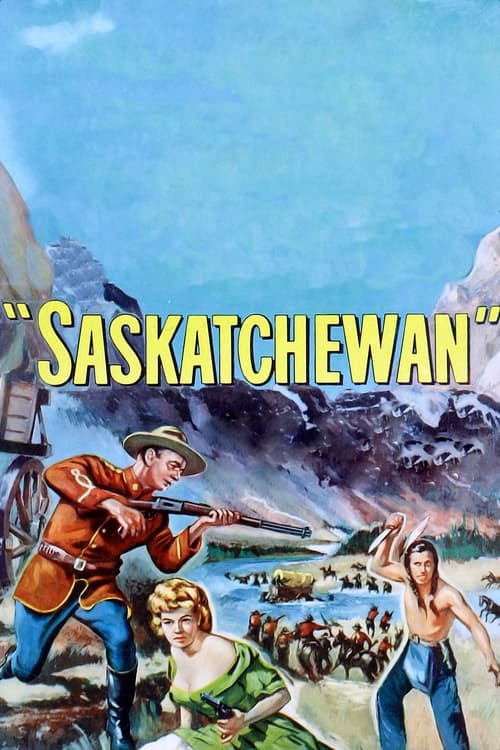
Saskatchewan is a typical mid-century Western that prioritizes traditional adventure structures and masculine archetypes. The plot relies on geopolitical tensions between indigenous tribes and colonial authority to drive the action. While the film includes significant indigenous presence, these groups are framed by the perspective of Western institutional power. The narrative reinforces the social hierarchies of the 1950s rather than challenging them. Ultimately, the film serves as a period-typical genre piece. It uses ethnic conflict to support a conventional hero's journey within a colonial framework.
Category Breakdown
The film does not depict any non-straight relationships or identities. The idea of 'blood brothers' emphasizes strong male friendships rather than queer connections.
The story focuses on male-driven conflict and tribal warfare. Female characters likely play secondary or domestic roles without having much influence on the main plot.
Indigenous groups such as the Sioux and Cree are present but are portrayed through a colonial perspective. They often serve as plot catalysts rather than being shown as fully realized individuals.
The narrative supports traditional Western expansion. The 'Great White Father' motif reinforces the legitimacy of colonial institutions and historical power structures.
There is no evidence of characters with visible or invisible disabilities. Such elements were rarely featured in the 1950s adventure-Western genre.
Present on Screen
Limited or Absent
Official Synopsis
Story of blood brothers whose bonds are tested when marauding Sioux Indians cross the border to enlist the peaceful Cree in a battle against the Great White Father.
1975
1964
1970
1965

1972

1950
1955
1930
No reviews yet. Be the first to share your thoughts on this movie!
Use the rating form above to leave a star rating and optional review.