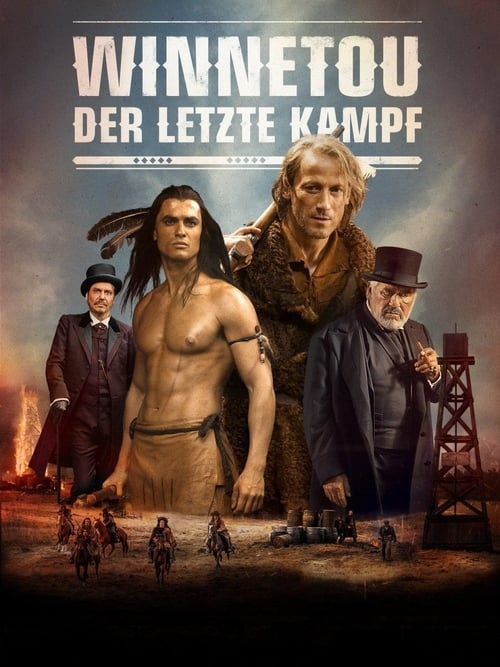
Winnetou - The Last Fight
2016
No user ratings available yet
Representation score: 3.4 out of 10
Representation Score
Limited
2016
Director
Philipp Stölzl
Runtime
117 minutes
Average Rating
No ratings yetNew Showbiz Analysis
Winnetou - A New World aims to modernize the Karl May canon by emphasizing Indigenous ability to act. By focusing on the relationship between the Apache and settlers, the film offers a more nuanced look at tribal sovereignty compared to traditional Westerns. However, the production remains heavily influenced by patriarchal genre constraints. The narrative is driven by male protagonists, leaving female characters in secondary positions with limited influence. Ultimately, the film serves as a bridge between classical storytelling and modern ethnic representation. It excels in racial depth but falls short in challenging traditional gender or social hierarchies.
Category Breakdown
The film follows conventional romantic and social structures typical of Western genres. It does not include non-traditional gender identities or critiques of the assumption that everyone is straight or cisgender.
The story focuses on male-driven physical and strategic conflicts. Women play secondary roles that support traditional hierarchies rather than challenge them.
The film centers on the Apache people and gives Indigenous characters significant roles. This approach disrupts the white savior cliché by providing depth to tribal leaders.
The story explores the tension between industrial expansion and indigenous cultures. However, it uses land struggles as a dramatic engine without critiquing the broader impact of colonialism.
There is no significant evidence regarding the portrayal of visible or invisible disabilities. No characters are used as plot devices or subjects of mockery.
Present on Screen
Limited or Absent
Official Synopsis
The first part, "A New World", tells how the young German engineer Karl May comes to America and starts to work for a railway company in the Wild West. Under dramatic circumstances, he meets Apache chief Winnetou and becomes friends with him and his tribe. The Apaches give it the name Old Shatterhand. Together they fight now against the unscrupulous henchmen of the railway company, who wants to lay a route through the Indian area.
2016
1963
2016
1964
1980
1970
1965
1952
No reviews yet. Be the first to share your thoughts on this movie!
Use the rating form above to leave a star rating and optional review.