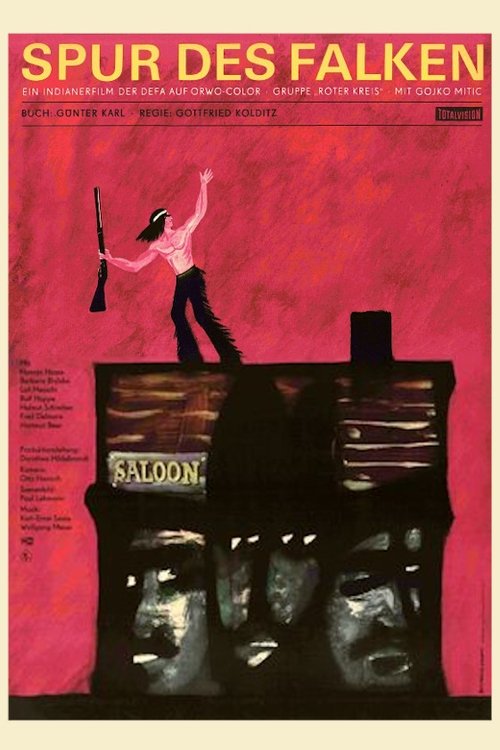
Trail of the Falcon
1968
No user ratings available yet
Representation score: 4.7 out of 10
Representation Score
Limited
1969
Director
Konrad Petzold, Boško Bošković
Runtime
101 minutes
Average Rating
No ratings yetNew Showbiz Analysis
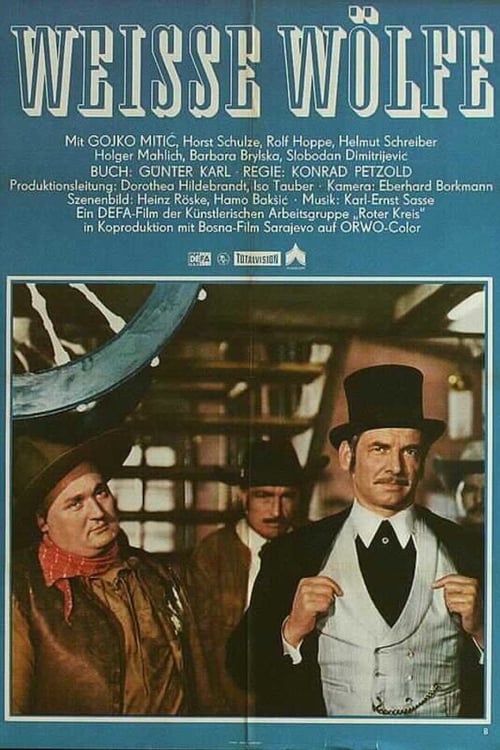
White Wolves operates as a traditional genre piece that offers some ethnic representation through its Lakota protagonists. It addresses the tension between indigenous sovereignty and industrialism but remains tied to conventional Western clichés. The film lacks depth in exploring multiple aspects of identity, focusing instead on a straightforward conflict between a tribal leader and a mining magnate. While the indigenous perspective is central, the narrative often prioritizes individualistic heroism over a nuanced exploration of power dynamics. Overall, the film reflects the cinematic limitations of its time, providing a meaningful focus for underrepresented groups without challenging the period's established social hierarchies.
Category Breakdown
The film does not include any representation of LGBTQ+ identities or same-sex relationships. The story centers around a traditional husband and wife relationship typical of 1960s Westerns.
The male protagonist, Farsighted Falcon, drives the plot through physical conflict. Female characters, such as Blue Hair, have limited roles focused on domestic duties or survival.
The film features a non-Anglo-Saxon focal point centered on the Lakota people. It portrays their struggle against Western expansion, though it adheres to well-known cinematic archetypes.
The movie examines tensions between indigenous communal structures and capitalist expansion. However, it emphasizes individualistic heroism rather than a deeper critique of Western influence.
The film does not depict any characters dealing with physical, sensory, or neurodivergent conditions.
Present on Screen
Limited or Absent
Official Synopsis
Farsighted Falcon, chief of the Lakota, seeks refuge in the Black Hills with his wife Blue Hair and two warriors, sole survivors of their tribe. When they are attacked by the outlaw Bashan, Falcon strikes out for the town of Tanglewood to take on Bashan's boss, mining magnate Harrington.
1968

1971
1966
1964

1976
1970
1980
1963
No reviews yet. Be the first to share your thoughts on this movie!
Use the rating form above to leave a star rating and optional review.