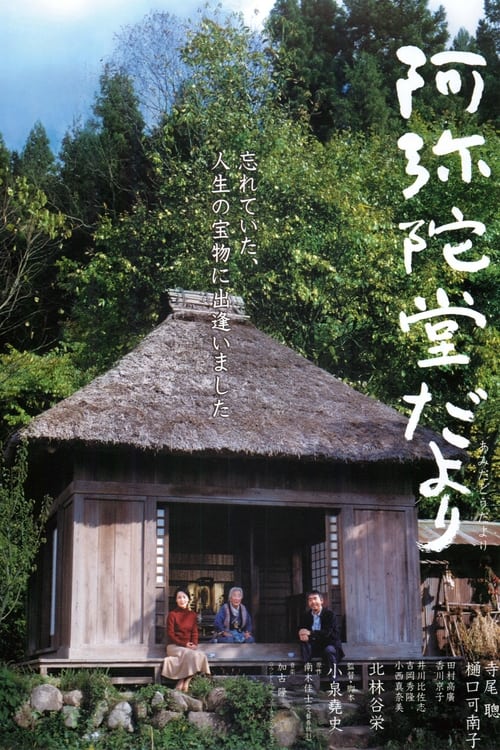
Letter from the Mountain
2002
No user ratings available yet
Representation score: 4.5 out of 10
Representation Score
Limited
2006
Director
Tōru Kamei
Runtime
106 minutes
Average Rating
No ratings yetNew Showbiz Analysis
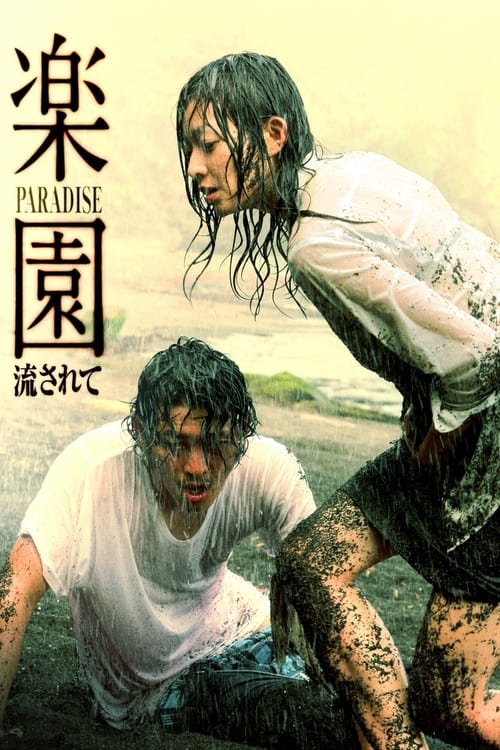
Paradise: Carried Away presents a localized drama that centers on gendered power dynamics. By featuring a female protagonist with significant political influence, the film challenges the typical cliché of the male-dominated social climber. However, the film adheres to a very traditional and homogeneous framework. The absence of diverse racial and LGBTQ+ representation prevents the narrative from being more progressive or systemic in its critique. Ultimately, the film is a culturally specific exploration of class and ambition that emphasizes traditional social structures over broader social subversion.
Category Breakdown
The film does not include visible queer identities or characters who are not assumed to be straight. The story focuses on the social tension between the two main characters.
Erika stands out as a strong political figure who subverts traditional gender roles. Her intelligence and authority contrast with Yohei's insecurity.
The story takes place in a homogeneous ethnic environment in rural Japan. There is no indication of diverse racial casting among the main characters.
The film explores the conflict between urban political ambitions and traditional rural life. It looks at how modern institutions interact with local customs.
There are no characters in the film dealing with physical, neurodivergent, or mental health conditions.
Present on Screen
Limited or Absent
Official Synopsis
Set in a rural fishing village in southern Japan, this is the story of Erika, a celebrated former anchorwoman now back in her hometown campaigning for a seat in the national party, and Yohei, an insecure fisherman-in-training. The two are worlds apart.
2002

2014

2010

1960

1977

2019

2006

1972
No reviews yet. Be the first to share your thoughts on this movie!
Use the rating form above to leave a star rating and optional review.