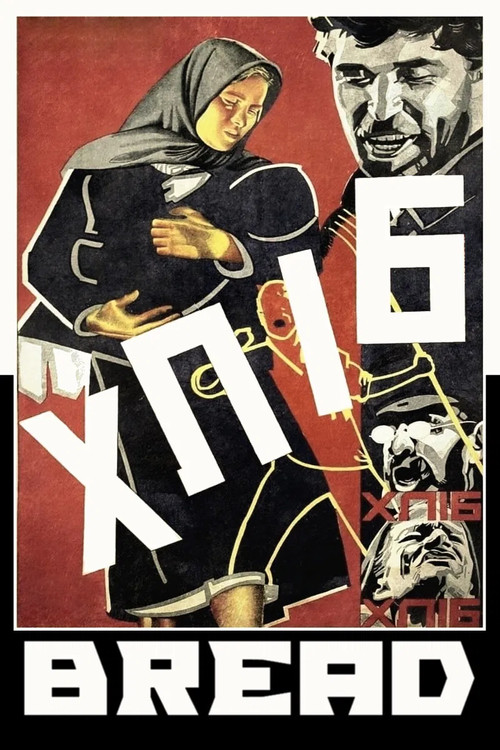
Bread
1929
No user ratings available yet
Representation score: 3.7 out of 10
Representation Score
Fair
1951
Director
Herbert Rappaport
Runtime
93 minutes
Average Rating
No ratings yetNew Showbiz Analysis
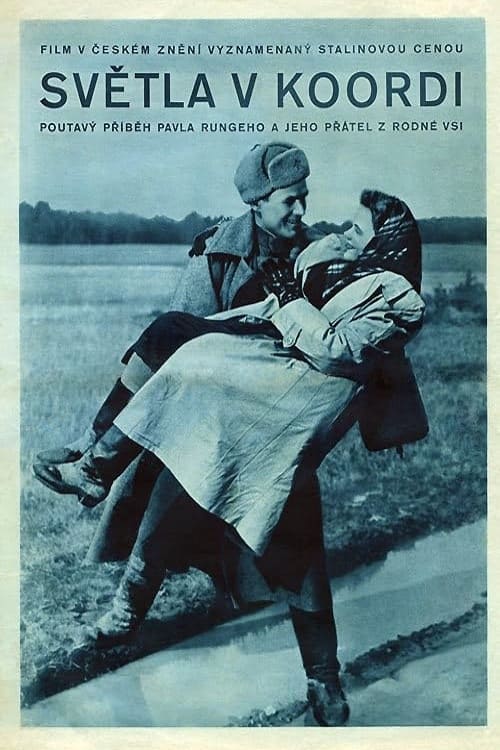
Light Over Koordi is a study in systemic disruption. It focuses on the dismantling of pre-revolutionary hierarchies and the transition from feudalism to a collective social model. The film uses the protagonist's return to an Estonian village to critique existing power structures. The narrative architecture prioritizes the ability to act of the working class. By framing the landed elite as oppressive, the film advocates for a unified, state-aligned identity over individualist property ownership. While the film lacks modern identity-based representation, it excels in its aggressive deconstruction of class hierarchies and its focus on communal social progress.
Category Breakdown
The film does not include any LGBTQ+ characters or explore non-straight relationships. Its focus is on class struggle and agrarian reform, emphasizing traditional family units.
The story centers around Paul Runge, but the mission to establish a kolkhoz involves the whole village. Historically, this framework empowered female laborers to take over from patriarchal landlord control.
The film explores ethnic identity through its Estonian village setting. It portrays the struggle against landlords as a movement for ethnic and class liberation for a underrepresented population.
The film strongly criticizes traditional land-ownership and individualism. It promotes secular, state-driven progress and communalism over religious or stagnant historical village structures.
There is no evidence of physical or neurodivergent disabilities being portrayed in the narrative.
Present on Screen
Limited or Absent
Official Synopsis
When Paul Runge, a soldier of the Red Army, returns home to Koordi after the war, he sees that, despite the new regime, life in Koordi hasn't changed. It's still a abandoned, uncultured Estonian village, where rich landlords still oppress the population. Runge starts talking about founding a kolkhoze.
1929
1930

1981

1950

1967
1980
1953
1964
No reviews yet. Be the first to share your thoughts on this movie!
Use the rating form above to leave a star rating and optional review.