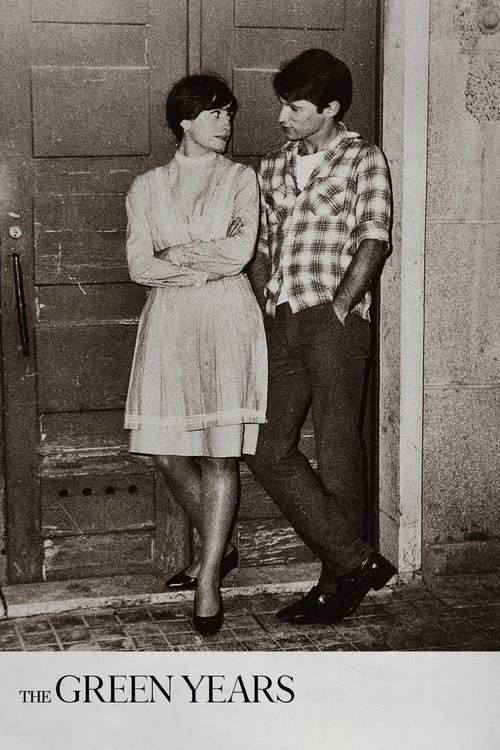
The Green Years
1963
No user ratings available yet
Representation score: 2.3 out of 10

Representation Score
Fair
1967
Director
Paulo Rocha
Runtime
94 minutes
Average Rating
No ratings yetNew Showbiz Analysis
Paulo Rocha’s film subtly critiques the social and imperial status quo of the Estado Novo era. Using the poetic realism of the Cinema Novo movement, the film emphasizes psychological liberation and individual ability to act over traditional constraints. The film’s strength lies in its structural subversion. Instead of adhering to conservative domestic clichés, the narrative uses the protagonist's disillusionment to question the stability of Portuguese provincial life and colonial history. However, the film remains limited by a lack of explicit identity-based representation. While it explores themes of non-conformity and post-colonial tension, it does not feature diverse LGBTQ+ or disability-focused character arcs.
Category Breakdown
The film does not include explicit LGBTQ+ characters or non-straight relationships. The main conflict revolves around a traditional romantic rivalry involving brothers and a former lover.
Albertina challenges traditional gender roles by acting as a free-spirited catalyst for change. She has the power to challenge the protagonist's views rather than being a passive romantic interest.
The film addresses the psychological aftermath of the Angolan War of Independence. Although the cast seems homogeneous, the story critiques the lingering effects of imperialism.
The story examines the rigid social structures and conservative norms of 1960s Portugal. It explores themes of alienation and the rejection of established social orders.
There are no identifiable depictions of physical or neurodivergent disabilities within the film.
Present on Screen
Limited or Absent
Official Synopsis
After completing his military service in the Angolan War of Independence, Adelino goes back to the Portuguese fishing village he calls home, only to find that the woman he loves has married his brother. Overcome by bitterness, he sets off to find work in the countryside where he meets Albertina, a free-spirited young woman who challenges him to change his life.
1963

1957
1964

1950
1968

1991

1964
1975
No reviews yet. Be the first to share your thoughts on this movie!
Use the rating form above to leave a star rating and optional review.