
Motherland
2019
No user ratings available yet
Representation score: 3.4 out of 10
Representation Score
Fair
2003
Director
Sulev Keedus
Runtime
129 minutes
Average Rating
No ratings yetNew Showbiz Analysis
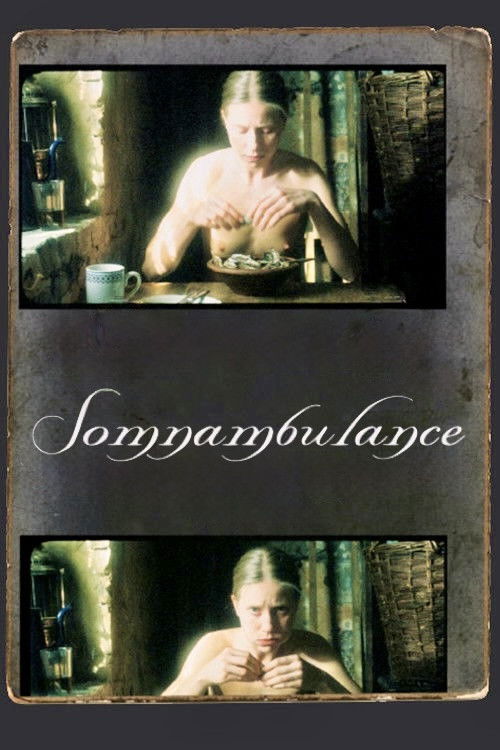
Somnambulance distinguishes itself by focusing on individual identity rather than the movements of armies. By centering Eetla's internal journey, the film shifts the focus from geopolitical conflict to psychological self-recognition. The film provides a meaningful departure from mainstream Western storytelling through its poetic, non-linear approach. It prioritizes subjective experience and the instability of traditional institutions during wartime. While the film does not engage with modern identity politics or diverse character archetypes, its structural emphasis on women's ability to drive the story and a specific Estonian historical perspective offers a nuanced cinematic experience.
Category Breakdown
The film does not include any explicit LGBTQ+ characters or narratives. The story focuses on the protagonist's relationship with her environment and her personal history.
Eetla serves as a central figure who plays a significant role in driving the story rather than being a passive victim of war. Her decision to return to the lighthouse disrupts traditional male-dominated wartime narratives.
The film offers a localized Estonian perspective during a period of geopolitical upheaval. It centers a non-Western European experience within a specific historical context.
The narrative prioritizes individual truth and existentialism over nationalist imperatives. It explores human endurance through a philosophical lens amidst a desolate, emptying landscape.
There is no verifiable information regarding the portrayal of physical or neurodivergent disabilities in this work.
Present on Screen
Limited or Absent
Official Synopsis
Autumn 1944, Estonia. Tens of thousands of people leave their homeland in fear of approaching frontline. Some seashore villages remain completely empty. A young woman with huge grey eyes gets off the boat. Eetla leaves the last boat, thus giving up her last chance to escape. Defying the cold wind and rain of September, she returns to the lighthouse which is unexpected to her father Gottfrid, the lighthouse keeper, and herself. Eetla's return becomes her self-encounter and self-recognition.
2019
1977
1998
1968
2006
2018
2017
1997
No reviews yet. Be the first to share your thoughts on this movie!
Use the rating form above to leave a star rating and optional review.