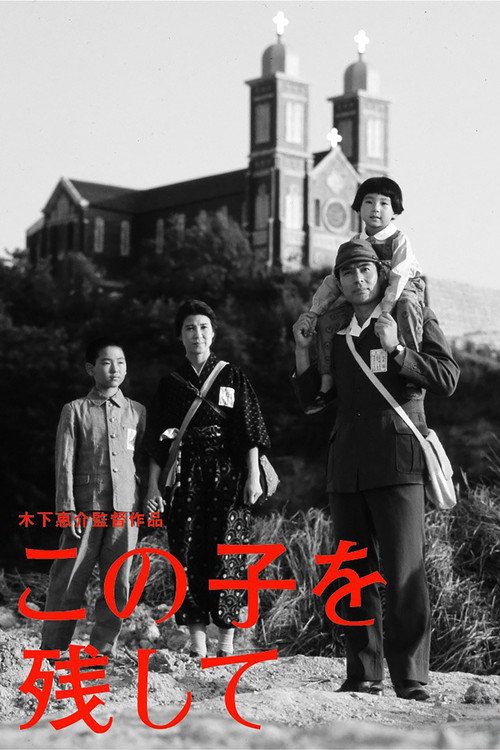
Nagasaki: Memories of My Son
2015
No user ratings available yet
Representation score: 5.7 out of 10
Representation Score
Fair
1983
Director
Keisuke Kinoshita
Runtime
126 minutes
Average Rating
No ratings yetNew Showbiz Analysis
Children of Nagasaki is a deeply realistic film that prioritizes the perspective of those affected by the atomic bombing. It offers a sophisticated critique of the institutionalized violence and geopolitical forces that shaped the era. Though the film does not include modern representations of gender or sexuality, it excels in its portrayal of the physical realities of disability. The depiction of radiation sickness is handled with dignity and depth. Ultimately, the film disrupts conventional war narratives by centering the lived experiences of survivors, providing a powerful counter-narrative to typical military-focused storytelling.
Category Breakdown
The film does not include any non-straight gender identities or same-sex relationships. It focuses solely on the traditional family structure.
Women play central roles in the story, but their influence is primarily through caregiving and emotional support. Men are portrayed as systemic responders, while women stabilize the domestic environment.
The cast is predominantly Japanese, reflecting the historical context of 1945 Japan. It offers a deep look at the ethnic experience during that time.
The film challenges traditional Western war narratives by focusing on the experiences of atomic bomb survivors. It critiques the impact of Western military technology on global geopolitics.
The film portrays the physical and physiological effects of radiation sickness with dignity and depth. It highlights the inescapable reality of the survivors' suffering.
Present on Screen
Limited or Absent
Official Synopsis
August 9, 1945. An atomic bomb drops on Urakami, Nagasaki at 11:02am. The story of Dr. Nagai and his family.
2015

1989
1991

1962

1970
1983
1952

1984
No reviews yet. Be the first to share your thoughts on this movie!
Use the rating form above to leave a star rating and optional review.