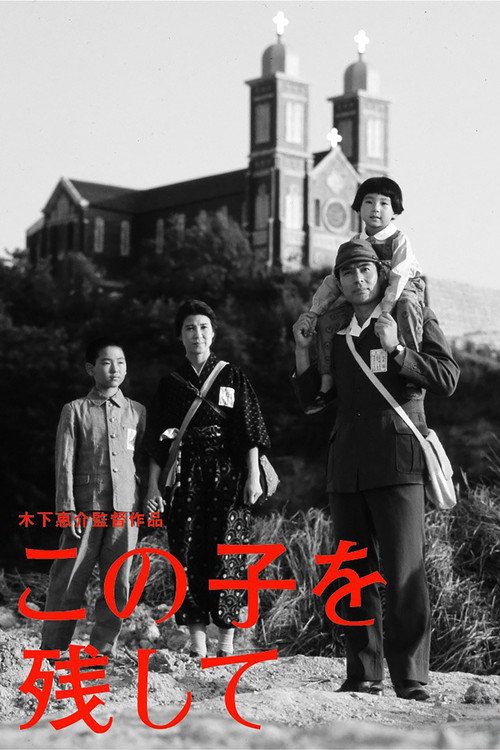
Children of Nagasaki
1983
No user ratings available yet
Representation score: 5.5 out of 10
Representation Score
Fair
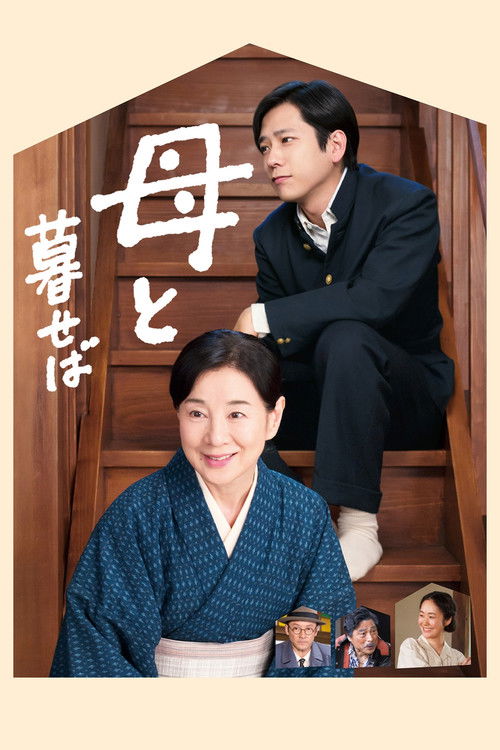
2015
Director
Yoji Yamada
Runtime
130 minutes
Average Rating
No ratings yetNew Showbiz Analysis
Yoji Yamada’s drama is a work of historical realism that prioritizes cultural authenticity over contemporary identity politics. It succeeds by centering the experiences and suffering of the local population during a pivotal moment in Japanese history. The film's strength lies in its refusal to adopt a Westernized lens, instead offering a profound critique of the machinery of warfare. It treats the trauma of survivors with dignity rather than using it for cheap sentimentality. However, the film remains rooted in traditional social structures. It does not actively challenge gender norms or explore diverse sexual orientations, focusing instead on traditional family structures.
Category Breakdown
The film focuses on traditional maternal and paternal bonds and does not include non-cisgender identities or same-sex relationships, reflecting the social realities of post-war Japan.
Nobuko plays a significant role through her professional position as a midwife. However, the narrative emphasizes traditional patriarchal structures and hierarchies under the pressure of systemic collapse.
The film achieves high authenticity by centering a localized Japanese perspective. It rejects Western-centric casting norms to prioritize the indigenous experience of a global catastrophe.
The story critiques Western military intervention by highlighting the human cost of warfare. It prioritizes the survival of individuals and the sanctity of family.
The narrative portrays the physical and psychological scars of nuclear warfare as a lived reality. It avoids using trauma as a mere plot device or inspiration porn.
Present on Screen
Limited or Absent
Official Synopsis
Nobuko works in Nagasaki, Japan as a midwife. Her son died 3 years earlier from the atomic bomb. On August 9, 1948, her son appears in front of her again. Since that time, Koji appears in front of her and they reminiscence about pleasant times. These happy, but bizarre moments seem eternal.
1983
1991
2004

1989
2016
2003
1988
1970
No reviews yet. Be the first to share your thoughts on this movie!
Use the rating form above to leave a star rating and optional review.