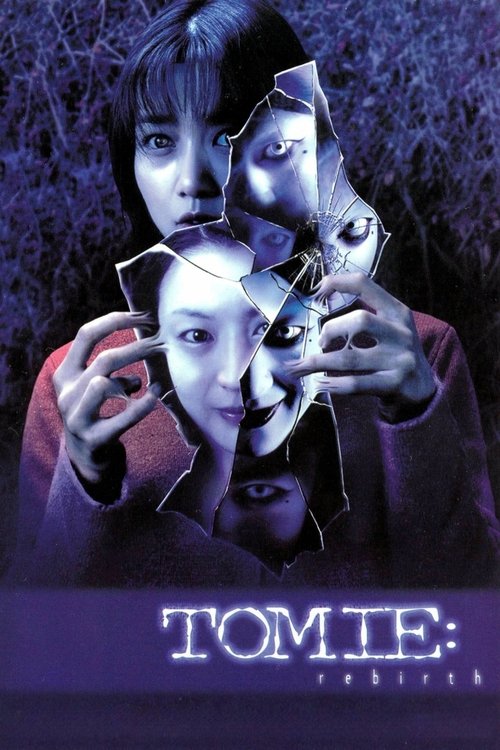
Tomie: Rebirth
2001
No user ratings available yet
Representation score: 3.5 out of 10

Representation Score
Fair
2011
RDirector
Noboru Iguchi
Runtime
85 minutes
Average Rating
No ratings yetNew Showbiz Analysis
Tomie: Unlimited finds its progressive value through the subversion of power structures rather than demographic inclusion. It deconstructs the concept of a stable identity and replaces masculine competence with a portrait of irrational fragility. The film's strength lies in its interrogation of gendered ability to act. By making the female protagonist the primary driver of chaos, it subverts the 'damsel in distress' cliché. However, the film lacks explicit representation regarding LGBTQ+ identities or racial diversity. It operates within a culturally homogeneous setting and focuses on genre-driven psychological clichés.
Category Breakdown
The film does not include any identifiable LGBTQ+ characters or narratives. Central conflicts revolve around obsessive heterosexual relationships, though presented in a distorted and pathological manner.
Tomie disrupts traditional gender hierarchies by acting as a predatory force that dominates her male counterparts. The narrative portrays masculinity as a source of madness and instability rather than leadership.
The cast and setting are predominantly Japanese, reflecting a culturally homogeneous urban environment. The film maintains cultural specificity without seeking to diversify the ethnic landscape.
The story embraces moral relativism, breaking down traditional boundaries of good and evil. It prioritizes a postmodernist view of identity where the self is fragmented and non-linear.
There is no explicit focus on neurodivergence or physical disability. Themes of psychological instability function as horror clichés rather than nuanced depictions of lived disability.
Present on Screen
Limited or Absent
Official Synopsis
Tsukiko is part of the photography club at school, but has always felt less than her sister Tomie. She's cute and very popular among boys. However, one day, Tomie dies in a horrible accident, triggering endless nightmares for Tsukiko. One year later, right when Tomie was supposed to turn 18, someone knocks on the door. Tomie is back.
2001
1999

2016
2000
2005
2007

1999
2004
No reviews yet. Be the first to share your thoughts on this movie!
Use the rating form above to leave a star rating and optional review.