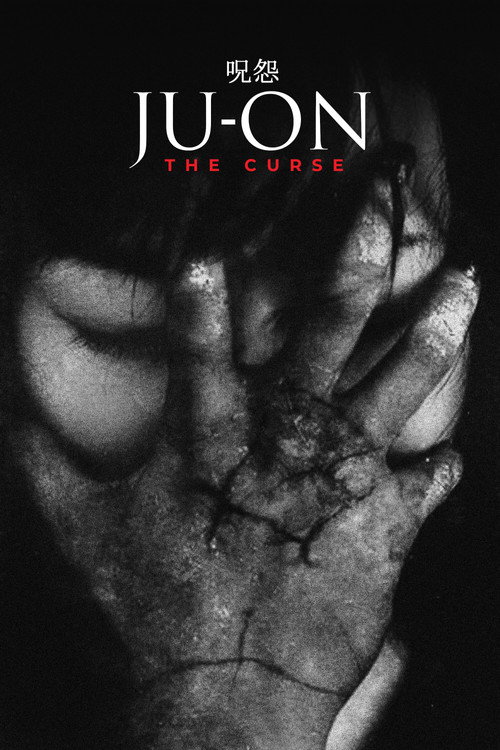
Ju-on: The Curse
2000
No user ratings available yet
Representation score: 3.3 out of 10
Representation Score
Fair
2002
RDirector
Takashi Shimizu
Runtime
92 minutes
Average Rating
No ratings yetNew Showbiz Analysis
Ju-on: The Grudge is a foundational J-Horror film that challenges the sanctity of the domestic space. It replaces the traditional 'safe home' cliché with a nonlinear exploration of inescapable, systemic trauma. The film's strength lies in its deconstruction of the nuclear family and its rejection of traditional moral absolutes. By portraying authority figures as powerless, it offers a sophisticated look at domestic dysfunction. However, the film lacks explicit identity-based diversity. It remains demographically uniform and does not feature LGBTQ+ representation, focusing instead on a culturally specific Japanese setting.
Category Breakdown
The film does not include any LGBTQ+ characters or non-cisgender identities. The interpersonal dynamics focus solely on traditional heterosexual family structures, though these relationships are portrayed through a dysfunctional lens.
The story emphasizes supernatural powers within the female experience. Although patriarchal violence triggers the curse, the power belongs to the female spirit, Kayako, making traditional male protector roles ineffective.
The cast is demographically uniform, reflecting a specific Japanese socioeconomic context. It maintains cultural authenticity but does not use diverse casting to break cinematic norms.
The film critiques traditional institutions by showing the nuclear family as a source of trauma rather than stability. It portrays the failure of social authority and religious intervention.
Characters experience extreme psychological distress and sensory vulnerability. However, these elements serve as horror clichés rather than nuanced explorations of lived disability experiences.
Present on Screen
Limited or Absent
Official Synopsis
When a social worker is sent to check on a traumatized elderly woman whose family have moved in at the site of a notorious murder case, she unwittingly unleashes a cycle of terror that transmits via its victims.
2000
2003
2000
2002
2015
2006
2014

2019
No reviews yet. Be the first to share your thoughts on this movie!
Use the rating form above to leave a star rating and optional review.