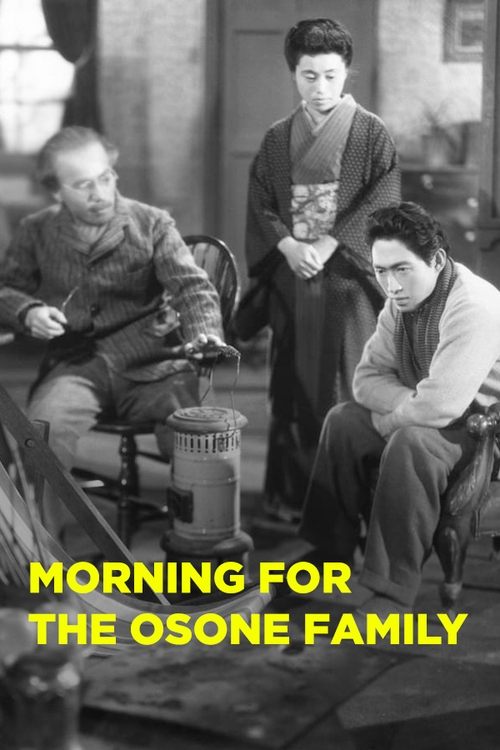
Morning for the Osone Family
1946
No user ratings available yet
Representation score: 4.6 out of 10
Representation Score
Fair
1997
Director
Masahiro Shinoda
Runtime
117 minutes
Average Rating
No ratings yetNew Showbiz Analysis
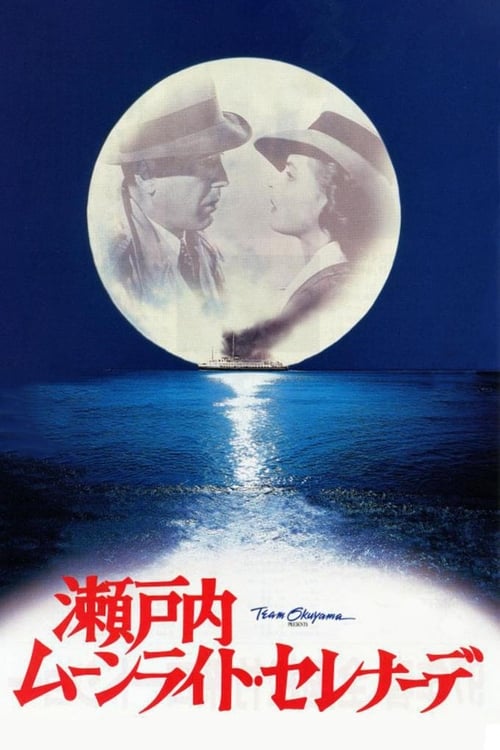
Moonlight Serenade is a complex drama that uses dual timelines to connect contemporary issues with historical memories. By linking the 1995 Kobe earthquake to post-WWII Japan, the film investigates how large-scale events reshape personal identity and family dynamics. The film avoids traditional historical clichés by emphasizing the fragility of societal structures. Instead of glorifying history, it highlights the situational nature of truth and systemic suffering. While the film doesn’t feature diverse characters from various backgrounds, it excels in deconstructing social hierarchies and examining the conflict between personal desires and systemic constraints.
Category Breakdown
The film doesn't explicitly confirm any LGBTQ identities. However, it hints at the possibility of exploring non-traditional desires through the character Shinoda, suggesting a deeper look at non-straight relationships.
The story focuses on a male protagonist reflecting on his family history. This setup allows for a deep exploration of women's roles and their influence in post-war Japanese society.
As a Japanese production, the film primarily features characters from a similar cultural background. It explores identity through the lens of post-war historical events and national structures.
The film emphasizes subjective morality by delving into post-war burial practices and the aftermath of the Kobe earthquake. It challenges simplified historical narratives by examining the complexity of memory and loss.
There is no explicit depiction of physical or neurodivergent disabilities in the film.
Present on Screen
Limited or Absent
Official Synopsis
A journalist reporting on the 1997 Kobe earthquake recalls a boat trip he took as a boy after WWII to bury his brother's ashes, during which his family grapples with life in occupied Japan.
1946
1989
2008
1991
2010

2001
2003
2017
No reviews yet. Be the first to share your thoughts on this movie!
Use the rating form above to leave a star rating and optional review.