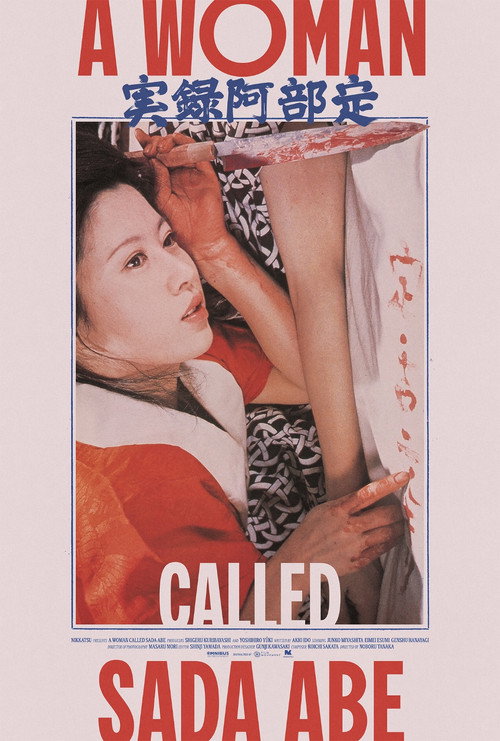
A Woman Called Sada Abe
1975
No user ratings available yet
Representation score: 7.4 out of 10
Representation Score
Good
1998
Director
Nobuhiko Obayashi
Runtime
132 minutes
Average Rating
No ratings yetNew Showbiz Analysis
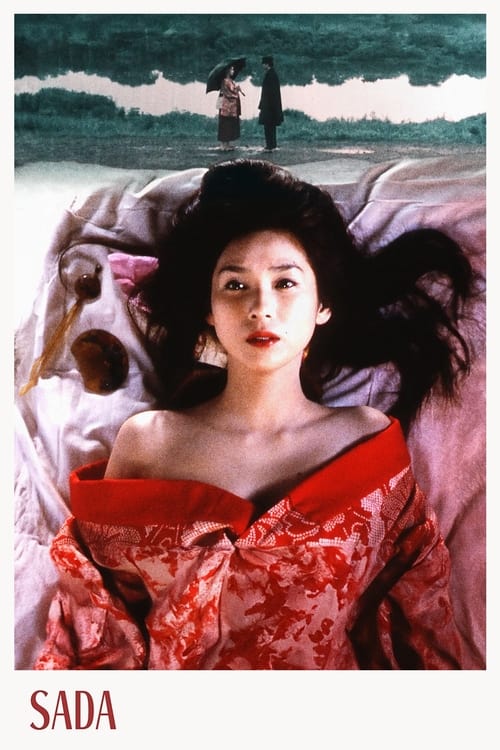
Nobuhiko Obayashi’s *Sada* is a stylized biographical drama that uses magical realism to deconstruct the psyche of Sada Abe. The film centers a female protagonist whose radicalized desires disrupt traditional gender hierarchies and patriarchal structures. The production is deeply grounded in its Japanese cultural milieu, avoiding Western-centric casting in favor of historical authenticity. It moves away from moralistic biography, instead opting for a postmodern exploration of individual impulse and subjective truth. While the film excels in gender subversion and cultural specificity, it lacks explicit LGBTQ+ representation.
Category Breakdown
The film explores unconventional sexual obsessions that challenge traditional boundaries of intimacy. While the main relationship is heterosexual, the focus on bodily autonomy critiques conventional domesticity. However, it lacks explicit representations of LGBTQ+ identities or non-cisgender expressions.
Sada disrupts the stereotype of the passive female by exercising extreme, violent sexual autonomy. She drives the plot rather than being a victim, challenging the patriarchal structures of the 1930s.
The production maintains high cultural authenticity through a predominantly Japanese cast and setting. It avoids Western-centric casting, offering a localized exploration of Japanese social history and folklore.
The narrative prioritizes personal liberation and psychological necessity over institutional morality. It explores the gray areas of human obsession, challenging traditional social contracts and societal expectations.
There is insufficient evidence to evaluate the representation of physical or neurodivergent disabilities in this work.
Present on Screen
Limited or Absent
Official Synopsis
On 17 May 1936–during a period of war, economic depression, public unease and growing militarism, a time of unrest and confusion when public opinion was, at best, unpredictable–Sada Abe killed and emasculated her lover. Condemned by the law, Sada finds herself lionised by the press and hailed as a 'saint' of love. Because hers was a crime of passion, the purity of her motivation elevates her from criminal to heroine.
1975
1978

2008

1956

2008

2017

1983

2011
No reviews yet. Be the first to share your thoughts on this movie!
Use the rating form above to leave a star rating and optional review.