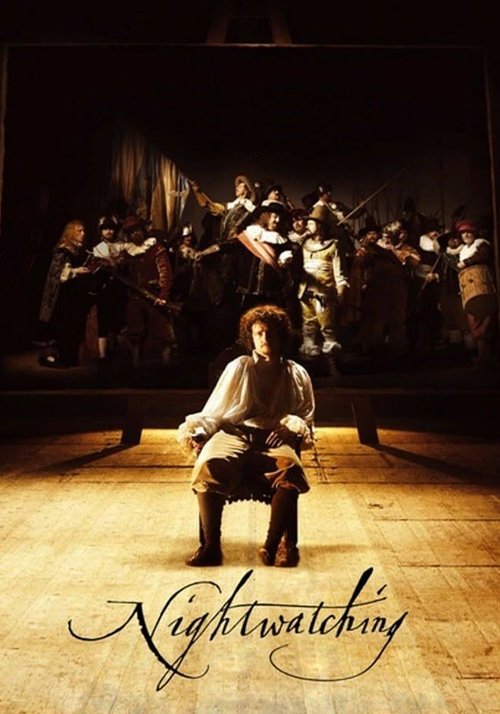
Nightwatching
2007
No user ratings available yet
Representation score: 9.1 out of 10

Representation Score
Fair
2011
Not RatedDirector
Lech Majewski
Runtime
96 minutes
Average Rating
No ratings yetNew Showbiz Analysis
Lech Majewski’s film is a highly stylized, auteur-driven exploration of Pieter Bruegel's art. It prioritizes aesthetic formalism and historical accuracy over modern demographic representation, resulting in limited identity-based diversity. The work excels in its cultural complexity, deconstructing religious certainty through a postmodern, dreamlike lens. It challenges traditional narratives by presenting morality as a fluid, often unsettling experience. Ultimately, the film serves as a philosophical inquiry, trading traditional social diversity for a deep, painterly investigation of the human condition and the intersection of madness and divinity.
Category Breakdown
The film does not include any LGBTQ+ characters or individuals with non-binary gender identities. Instead, it focuses on the spiritual and creative isolation of the main character within a historical context.
The narrative emphasizes the male protagonist's role, highlighting the male intellectual experience. Women appear in supporting roles but do not have the power to challenge patriarchal structures.
The film portrays a historically homogeneous European society. It captures various social classes, from clergy to peasants, without featuring diverse racial backgrounds.
The story explores the tension between religious doctrine and the grotesque, presenting a subjective, surreal view of morality. It questions traditional moral certainties through a dreamlike lens.
Themes of mental instability and madness are used as philosophical metaphors for the human condition. They are not portrayed as conditions with ability to act or personal empowerment.
Present on Screen
Limited or Absent
Official Synopsis
What would it be like to step inside a great work of art, have it come alive around you, and even observe the artist as he sketches the very reality you are experiencing? From Lech Majewski, one of Poland's most acclaimed filmmakers, The Mill and the Cross is a cinematic re-staging of Pieter Bruegel's masterpiece "Procession to Calvary," presented alongside the story of its creation.
2007
1966
1987
1991
2007
1986

2016
2013
No reviews yet. Be the first to share your thoughts on this movie!
Use the rating form above to leave a star rating and optional review.