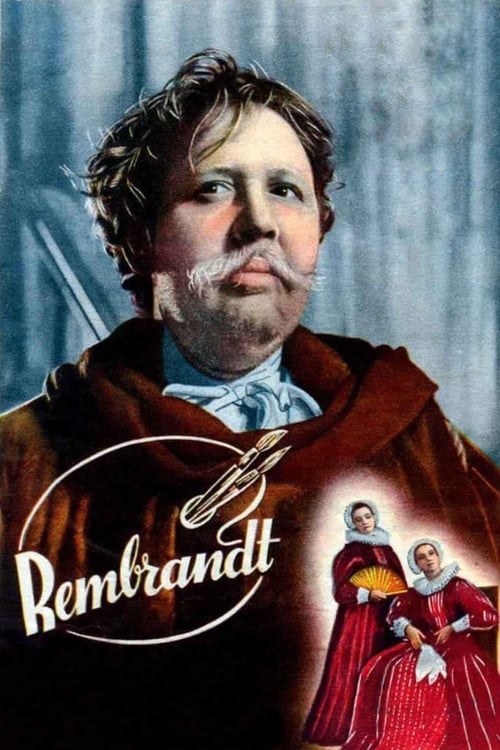
Rembrandt
1936
No user ratings available yet
Representation score: 0.9 out of 10
Representation Score
Limited
1991
RDirector
Maurice Pialat
Runtime
158 minutes
Average Rating
No ratings yetNew Showbiz Analysis
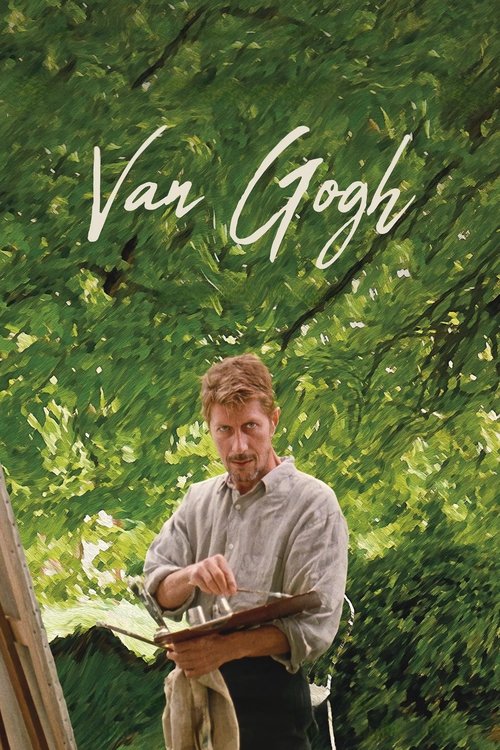
Maurice Pialat’s biopic is a period-accurate study of a singular male genius. It prioritizes the internal psychological landscape of Vincent van Gogh over a diverse social tapestry, resulting in a narrow demographic focus. While the film offers a sophisticated, non-idealized look at mental health, it remains tied to traditional hierarchies. The narrative structure favors the male creative struggle and historical homogeneity over diverse perspectives. Ultimately, the film centers on a white male protagonist. It captures the isolation of the artist but does not aim to challenge social or cultural norms through diverse casting or viewpoints.
Category Breakdown
The film does not include any LGBTQ+ characters or stories. The romantic tension in the movie stays within a traditional heterosexual relationship.
The story focuses on the experiences of male characters and their fraternal bonds. Female characters play supporting roles, often influencing the male protagonist emotionally.
The cast is made up of mostly white Europeans, reflecting the historical context of 19th-century France without intentionally diversifying the demographics.
The film explores themes of social alienation and personal morality. It focuses on the 'tortured artist' archetype without critiquing Western institutions or broader cultural norms.
Mental health issues are shown realistically rather than through idealized stereotypes. The portrayal captures the complex and debilitating nature of neurodivergence and instability.
Present on Screen
Limited or Absent
Official Synopsis
After leaving the asylum, Vincent van Gogh settles in the home of Doctor Gachet, where he keeps painting amidst the torments of his failing mental health. He begins an affair with his host’s daughter, however, she soon realizes that he doesn’t love her and that his heart beats only for art.
1936
1988
1999
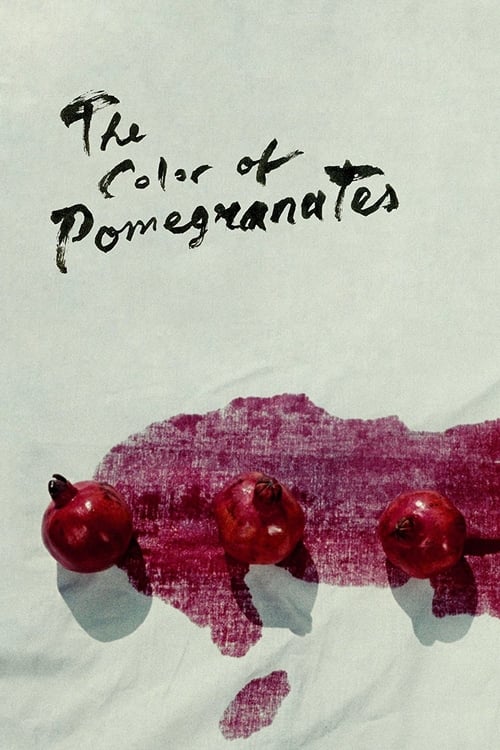
1969
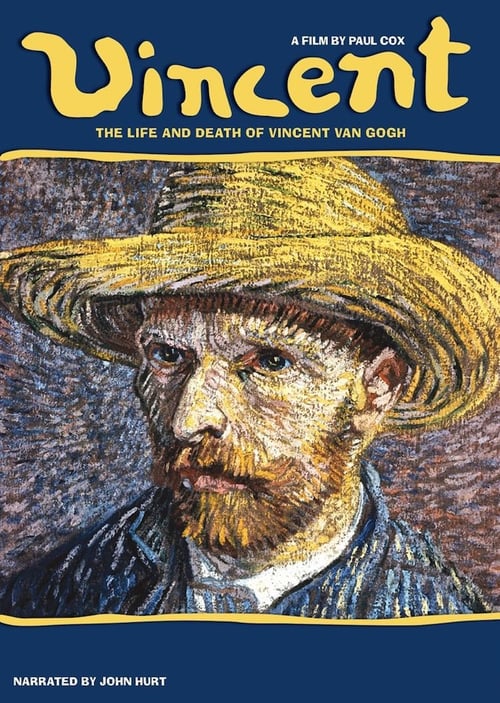
1987
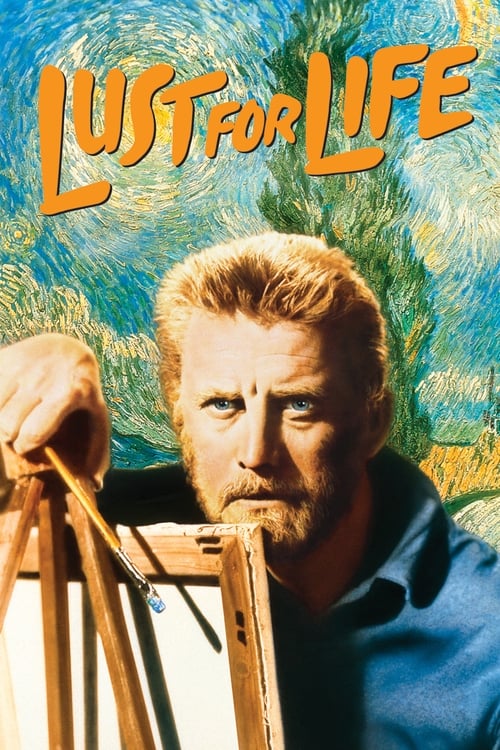
1956
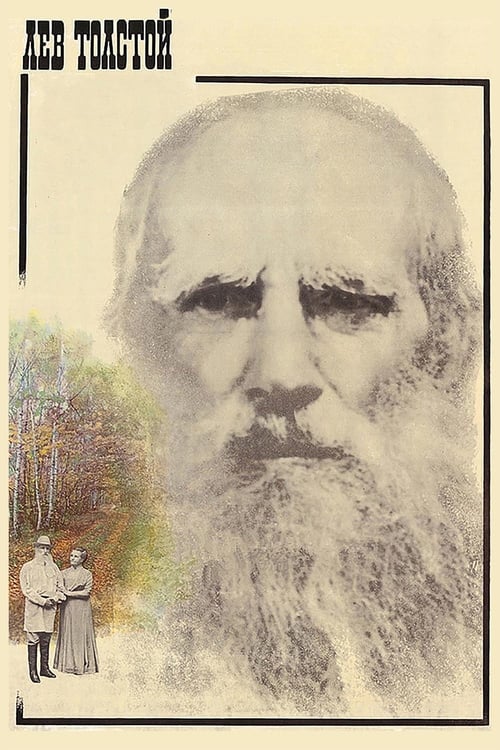
1984
1986
No reviews yet. Be the first to share your thoughts on this movie!
Use the rating form above to leave a star rating and optional review.