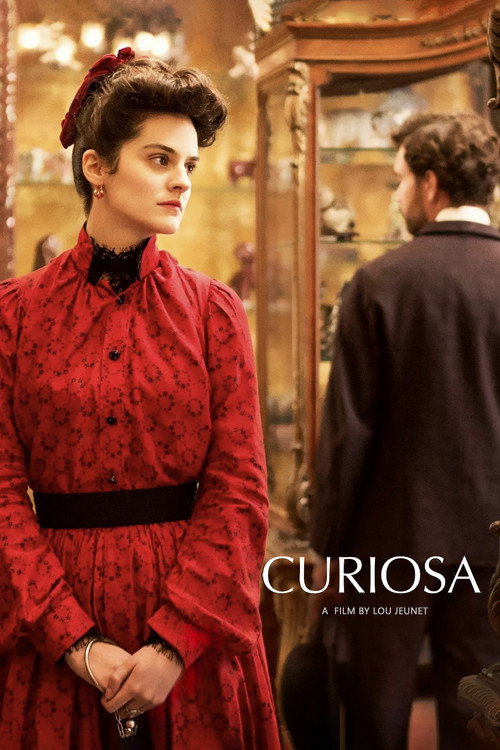
Curiosa
2019
No user ratings available yet
Representation score: 5.2 out of 10

Representation Score
Limited
2016
RDirector
Danièle Thompson
Runtime
117 minutes
Average Rating
No ratings yetNew Showbiz Analysis
Cézanne and I is a period piece that prioritizes historical realism over modern demographic diversity. It explores the 'outsider' archetype, focusing on the tension between individual visionaries and rigid social institutions. The film excels in its nuanced portrayal of unconventional bonds and resistance to systemic authority. However, it remains confined by its adherence to the homogeneous social structures of 19th-century France. Ultimately, the work offers depth through its depiction of intellectual rebellion rather than through diverse representation of identity groups.
Category Breakdown
The film portrays a profound, lifelong bond between two men that goes beyond typical friendship. Though it doesn't explicitly label the relationship as queer, the emotional closeness and dedication challenge conventional assumptions about relationships.
Set in male-dominated 19th-century art and literature circles, the story centers on male rivalry and camaraderie. Women appear mainly as social anchors rather than active challengers of gender hierarchies.
The cast reflects the homogeneous demographic of late 19th-century French artists. It stays true to the historical context without incorporating diverse ethnic perspectives.
The narrative critiques Western institutions by depicting Cézanne's struggle against the French academic art establishment. It highlights bohemianism as a rejection of bourgeois stability and traditional values.
There are no prominent depictions of physical or neurodivergent disabilities that shape the narrative or serve as central character arcs.
Present on Screen
Limited or Absent
Official Synopsis
They loved each other with the ardor of thirteen-year-old boys. Rebellion and curiosity, hopes and doubts, girls and dreams of glory – they shared it all. Paul was rich, Emile poor. They went skinny-dipping, drank absinthe, starved, only to overeat. Sketched models by day, caressed them by night... Now, Paul is a painter and Emile a writer. Glory has passed Paul by. But Emile has it all: fame, money, the perfect wife, whom Paul once loved. They judge each other, admire each other, confront each other. They lose touch, meet up again, like a couple who cannot stop loving each other.
2019
1991
1971
1988

2015
1995
1936
1996
No reviews yet. Be the first to share your thoughts on this movie!
Use the rating form above to leave a star rating and optional review.