El Greco
1966
No user ratings available yet
Representation score: 2.4 out of 10
Representation Score
Limited
1971
Director
Konrad Wolf
Runtime
136 minutes
Average Rating
No ratings yetNew Showbiz Analysis
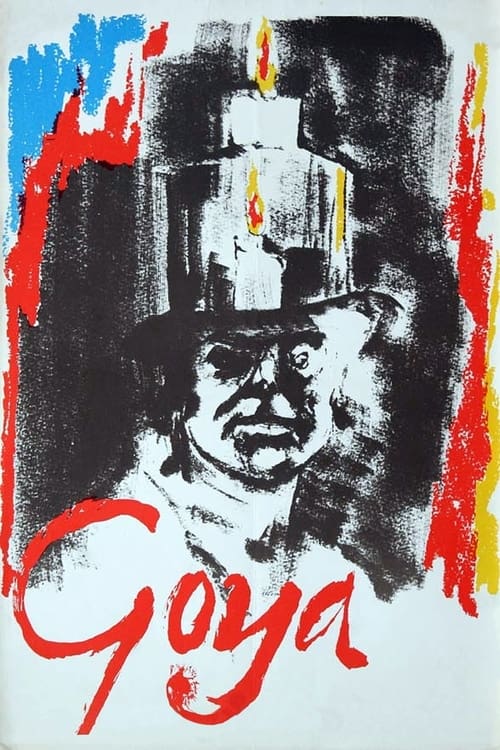
Konrad Wolf’s direction uses historical materialism to deconstruct traditional power hierarchies. The film functions as a deliberate critique of systemic oppression, particularly targeting the monarchy and the Church. While there is limited representation for LGBTQ+, gender, and race due to the period setting, the film excels in its cultural and institutional critique. It highlights the struggle for enlightenment against established authority. Ultimately, the work prioritizes the intellectual struggle of the individual against corrupt systems over modern identity politics.
Category Breakdown
The film focuses on Goya's professional development within 18th-century Spanish society. There is no depiction of non-traditional gender identities or same-sex relationships.
The narrative centers on Goya's role within a patriarchal system. Female characters primarily serve secondary or domestic roles typical of the time.
The cast reflects the demographics of the Spanish aristocracy during the Napoleonic era. The film explores Spanish society through class rather than ethnicity.
The film provides a sophisticated critique of the Catholic Church and the Inquisition. It emphasizes Enlightenment ideals and secularism over religious doctrine.
There is no significant evidence regarding the portrayal of physical or neurodivergent disabilities in this work.
Present on Screen
Limited or Absent
Official Synopsis
As a painter in the court of King Carlos IV, Goya has attained wealth and reputation. He believes in King and Church, yet he is also a Spaniard who dearly loves his people. This contradiction presents him with a dilemma.
1966

1972
1999
1963
1948
1965
1974

2006
No reviews yet. Be the first to share your thoughts on this movie!
Use the rating form above to leave a star rating and optional review.