Brother Sun, Sister Moon
1972
No user ratings available yet
Representation score: 3.6 out of 10
Representation Score
Fair
1966
RDirector
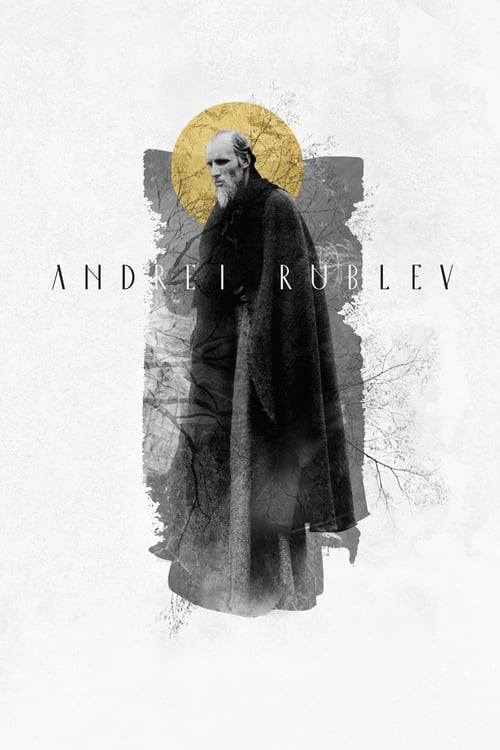
Andrei Tarkovsky
Runtime
183 minutes
Average Rating
No ratings yetNew Showbiz Analysis
Andrei Tarkovsky’s masterpiece centers on existential and philosophical questions rather than modern identity politics. It serves as a meditation on the creator's role within a landscape of systemic instability and social chaos. The film’s strength lies in its sophisticated critique of authority. Instead of promoting rigid moral codes, it portrays religious and political power structures as often corrupt, violent, or indifferent to human suffering. While the range of characters is limited by the historical setting, the work still achieves a progressive value by focusing empathetically on the individual’s struggle against oppressive historical cycles.
Category Breakdown
The film is set in a medieval context where there is no representation of LGBTQ+ identities or stories involving queer relationships.
The story focuses heavily on male characters, reflecting the societal norms of 15th-century Russia. Women are shown primarily in roles of communal suffering or traditional domestic duties, without much influence on the main plot.
The cast is made up of actors representing historical Russian identity, avoiding whitewashing by presenting a realistic portrayal of the Slavic experience and Mongol invasions.
The film excels in its nuanced look at traditional religious institutions. It examines the tension between institutional religion and the personal, often painful spiritual experiences of individuals.
The film shows the physical and mental effects of living in a violent time. The protagonist's vow of silence is a psychological response to trauma and a unique form of empowerment.
Present on Screen
Limited or Absent
Official Synopsis
An expansive Russian drama, this film focuses on the life of revered religious icon painter Andrei Rublev. Drifting from place to place in a tumultuous era, the peace-seeking monk eventually gains a reputation for his art. But after Rublev witnesses a brutal battle and unintentionally becomes involved, he takes a vow of silence and spends time away from his work. As he begins to ease his troubled soul, he takes steps towards becoming a painter once again.
1972
1950
1971
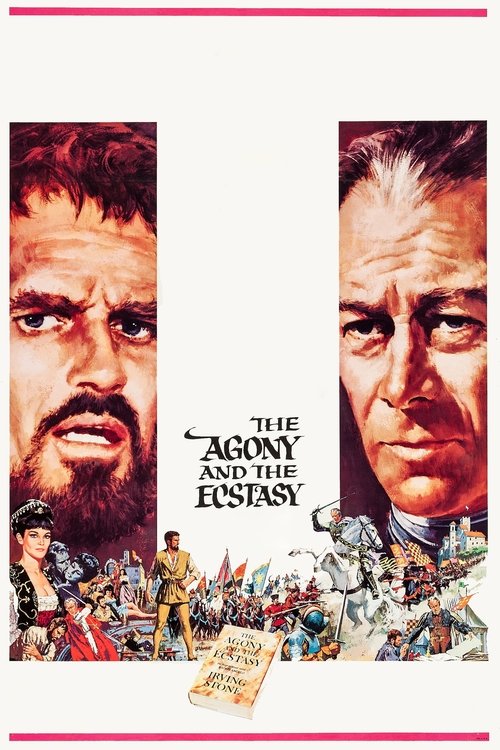
1965
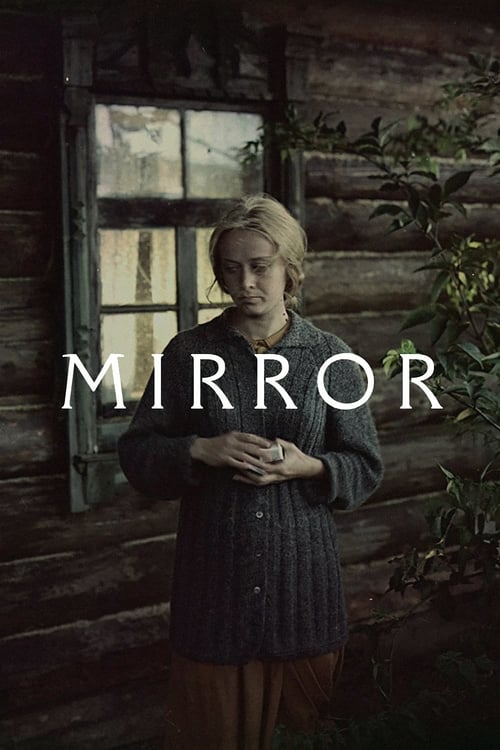
1975
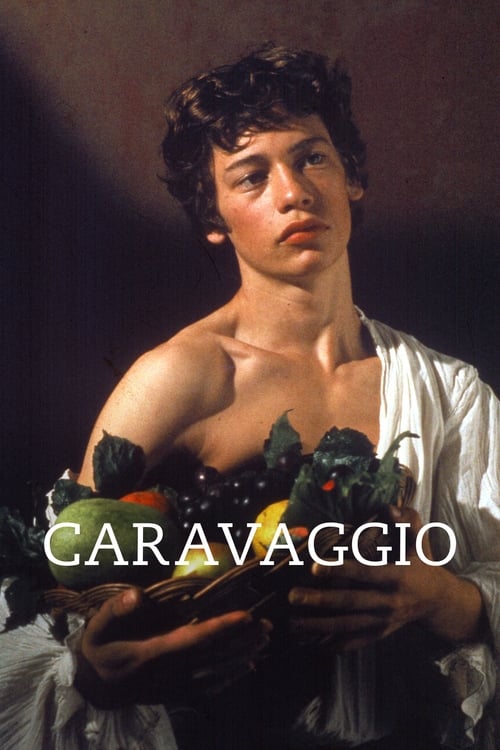
1986
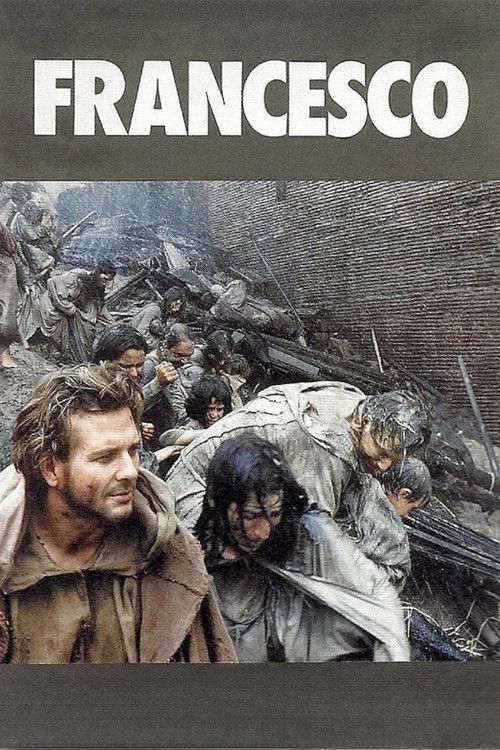
1989
1991
No reviews yet. Be the first to share your thoughts on this movie!
Use the rating form above to leave a star rating and optional review.