Rembrandt
1936
No user ratings available yet
Representation score: 0.9 out of 10
Representation Score
Limited
1999
RDirector
Carlos Saura
Runtime
100 minutes
Average Rating
No ratings yetNew Showbiz Analysis
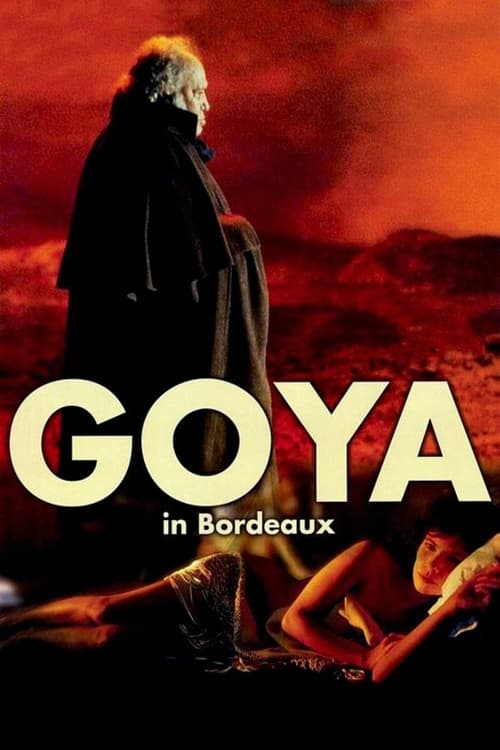
Carlos Saura’s biographical drama emphasizes psychological depth and historical accuracy over modern demographic diversity. The film highlights Goya's sensory experience, making his deafness a core part of the narrative rather than a superficial trait. However, the film adheres closely to the social norms of the early 19th century. It lacks representation of LGBTQ+ identities and diverse racial perspectives, staying within a homogeneous Eurocentric framework. Ultimately, the work explores individual ability to act in the face of physical and political decline. It offers a nuanced look at disability and institutional oppression but does not aim to challenge traditional gender or social hierarchies.
Category Breakdown
The film focuses on Goya's domestic life and does not include any depictions of non-binary gender identities or same-sex relationships.
The movie centers on Goya's relationship with his wife, Leocadia, within a domestic setting. It avoids aggressive masculine leadership but does not give female characters much beyond companionship.
The cast is mostly made up of people from similar backgrounds, reflecting the demographics of 1828 Bordeaux. The story stays within the protagonist's immediate social circle.
The film critiques centralized monarchical authority through Goya's status as a political exile. It remains a personal character study rather than an explicit critique of capitalism or secularism.
Goya's deafness is central to his experiences and creative process. The film portrays sensory loss and physical decline respectfully, without relying on inspirational stories.
Present on Screen
Limited or Absent
Official Synopsis
Francisco Goya (1746-1828), deaf and ill, lives the last years of his life in voluntary exile in Bordeaux, a Liberal protesting the oppressive rule of Ferdinand VII. He's living with his much younger wife Leocadia and their daughter Rosario. He continues to paint at night, and in flashbacks stirred by conversations with his daughter, by awful headaches, and by the befuddlement of age, he relives key times in his life.
1936

1991
1971
1972
1984
1996
1966
1986
No reviews yet. Be the first to share your thoughts on this movie!
Use the rating form above to leave a star rating and optional review.