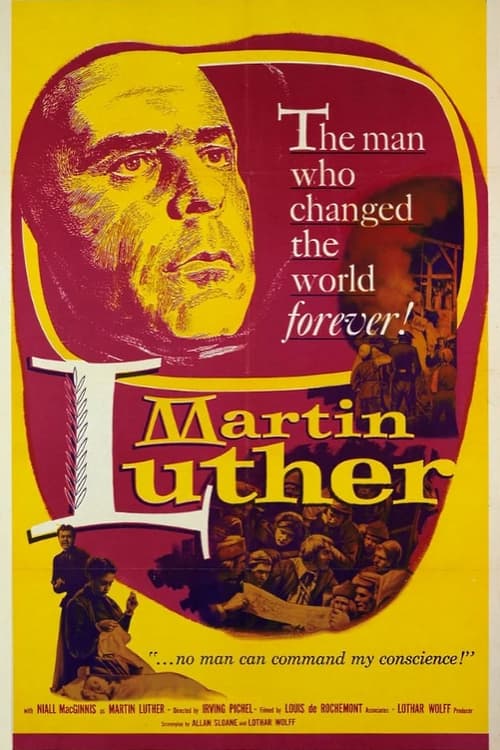
Martin Luther
1953
No user ratings available yet
Representation score: 0.7 out of 10
Representation Score
Limited
1973
Director
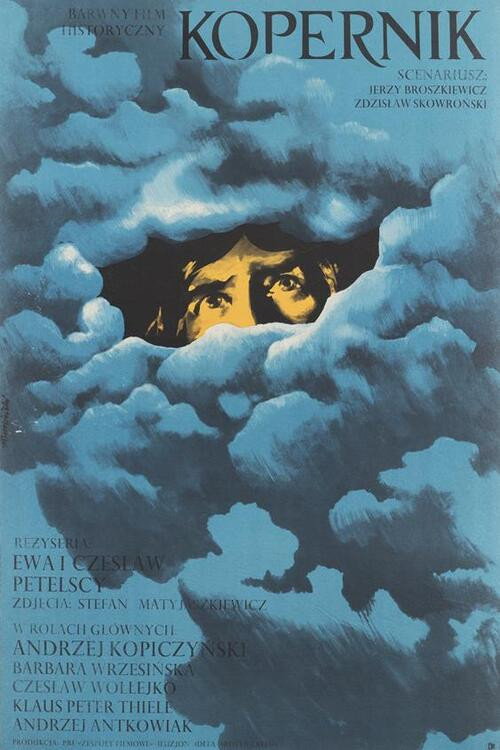
Czesław Petelski, Ewa Petelska
Runtime
128 minutes
Average Rating
No ratings yetNew Showbiz Analysis
Copernicus is a traditional historical biography that emphasizes period accuracy over modern demographic diversity. The film's strength lies in its portrayal of intellectual conflict rather than social representation. The narrative focuses on the tension between scientific progress and religious authority. While it challenges systemic orthodoxy, it does so through a lens rooted in Renaissance social hierarchies. Ultimately, the film offers little in the way of diverse representation, focusing instead on the intellectual journey of a historical figure.
Category Breakdown
The film does not include any LGBTQ+ characters or narratives that explore non-straight relationships. It stays true to the rigid social structures of the 16th century.
The story centers around a single male intellectual figure. Female characters are limited to domestic or supporting roles, reflecting the historical period.
As a period piece set in Europe, the cast is predominantly of Western European descent. It does not challenge the racial homogeneity of the time.
The film examines the tension between scientific discovery and religious doctrine. It portrays individuals struggling against established religious institutions.
There are no characters with visible or invisible disabilities in the narrative.
Present on Screen
Limited or Absent
Official Synopsis
A biography of Nicholas Copernicus covering 50 years of the astronomer's life - from his studies in Europe to his theological work all the way to the creation of his magnum opus, On the Revolutions of the Celestial Spheres.
1953

2005
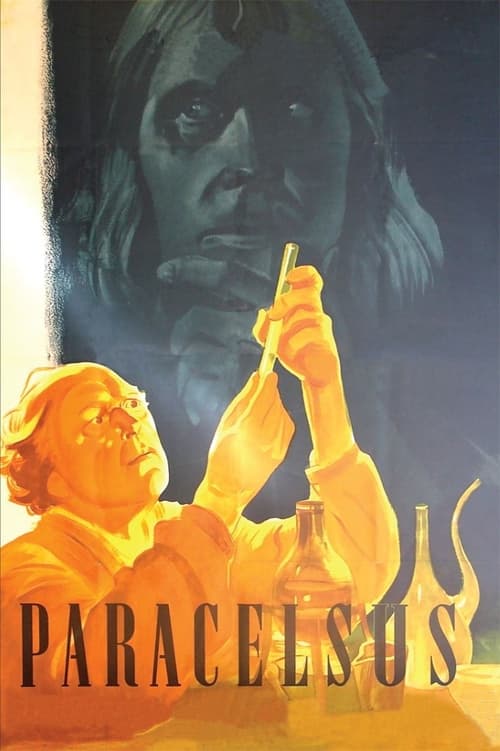
1943

2011
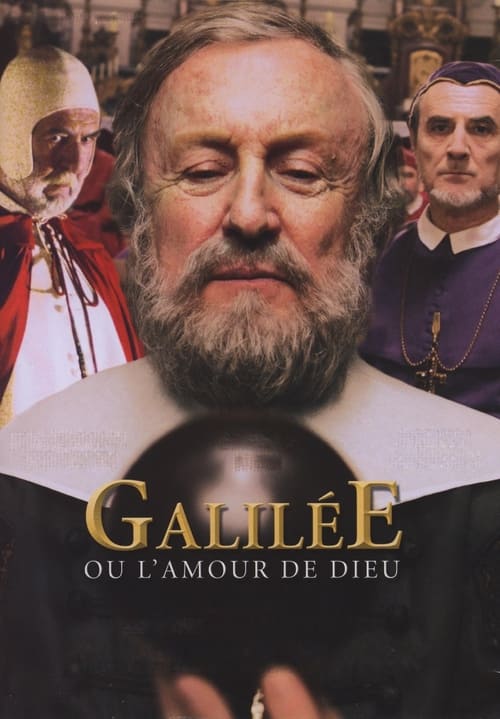
2006

2017

1975
2008
No reviews yet. Be the first to share your thoughts on this movie!
Use the rating form above to leave a star rating and optional review.