Lermontov
1943
No user ratings available yet
Representation score: 2.1 out of 10
Representation Score
Limited
1984
Director
Sergei Gerasimov
Runtime
168 minutes
Average Rating
No ratings yetNew Showbiz Analysis
Sergei Gerasimov’s biopic is a deeply psychological exploration of a man challenging his social standing. It excels by highlighting the tension between personal conscience and the rigid structures of Russian aristocracy and religion. Though the film is limited by its historical context, it offers a modern perspective on class and religious hierarchies. It transcends the typical 'great man' narrative by delving into the breakdown of family and societal bonds. Ultimately, the film's strength lies in its intellectual complexity and its portrayal of a protagonist striving for an ethical path independent of societal norms.
Category Breakdown
The film follows the historical biography of Leo Tolstoy and his marriage to Sofia Andreevna without depicting any non-straight relationships or same-sex intimacy.
The story examines the power dynamics and tensions within Tolstoy's household. It highlights the intellectual influence of women despite the limitations of 19th-century society.
The casting reflects the social hierarchy of 19th-century Russia, showing the divide between nobility and peasants but maintaining a uniform ethnic background.
The film criticizes the Russian Orthodox Church and the landed aristocracy as sources of systemic conflict. It emphasizes Tolstoy's pursuit of a secular, ascetic lifestyle.
There is no depiction of physical or neurodivergent disabilities playing a central role in the narrative.
Present on Screen
Limited or Absent
Official Synopsis
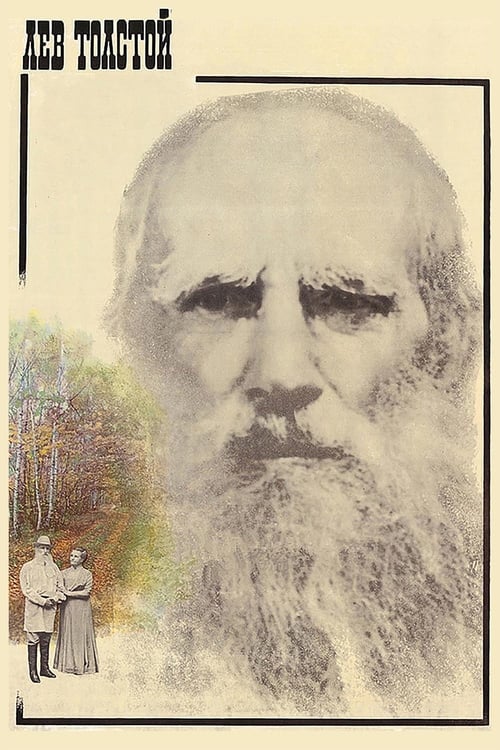
This is the story of last years of Leo Tolstoy's life at his mansion in Yasnaya Polyana. He is surrounded by his family, friends, acquaintances and absolute strangers who are coming to the great man and artist from all over the world. But in his sleepless nights he dreams about his happy youthful years and the crucial, hard ones. And everything ends with his tragic departure from Yasnaya Polyana and his death at an obscure little station of Astapovo.
1943

1991

1957
2014
1988

2009
1996
2018
No reviews yet. Be the first to share your thoughts on this movie!
Use the rating form above to leave a star rating and optional review.