
Zvanì - Il romanzo famigliare di Giovanni Pascoli
2025
No user ratings available yet
Representation score: 5.0 out of 10
Representation Score
Limited
2022
Director
Pupi Avati
Runtime
94 minutes
Average Rating
No ratings yetNew Showbiz Analysis
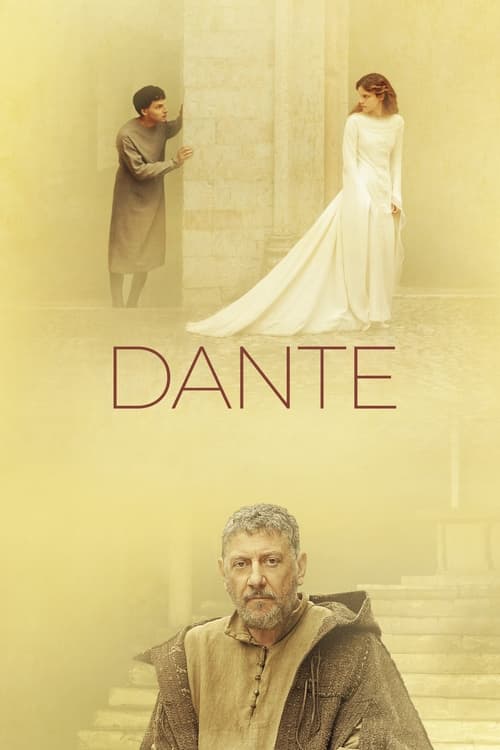
Pupi Avati’s *Dante* is a traditional historical character study that emphasizes psychological depth over diverse representation. The film uses a dual-timeline structure, with Boccaccio reconstructing Dante’s legacy through the lens of exile and memory. Despite lacking modern social representation, the film excels in its thematic exploration of the individual versus the state. It focuses on the emotional impact of systemic exclusion and the struggle to preserve truth against institutional forces. Ultimately, the work adheres to the historical constraints of the 14th century. It serves as an atmospheric study of a tormented outsider rather than a vehicle for contemporary identity politics.
Category Breakdown
The film focuses on Dante's troubled inner life and lonely childhood. There is no clear indication of queer subtext or non-straight identities.
The story centers on male experiences, particularly the intellectual struggles of Dante and Boccaccio. Women are not shown in leading roles.
Given its setting in 14th-century Italy, the cast reflects the homogeneous demographics of that time. The story stays true to the cultural context of Italy.
The film delves into themes of exile and the restoration of memory. It critiques medieval power structures through the lens of political displacement and systematic erasure.
There is no information available regarding characters with visible or invisible disabilities.
Present on Screen
Limited or Absent
Official Synopsis
The tormented life of Dante Alighieri, from solitary childhood to death in exile, seen through Giovanni Boccaccio’s journey to rehabilitate his memory.
2025
2014

1941
1972

2016

1986

2001

1993
No reviews yet. Be the first to share your thoughts on this movie!
Use the rating form above to leave a star rating and optional review.