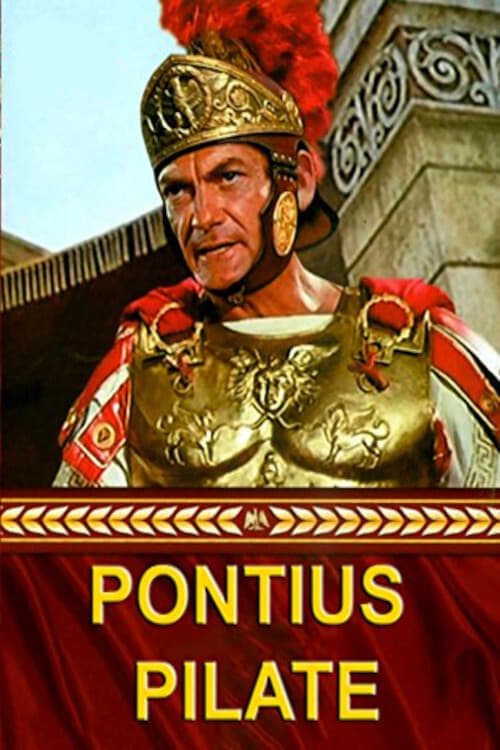
Pontius Pilate
1962
No user ratings available yet
Representation score: 1.7 out of 10
Representation Score
Good
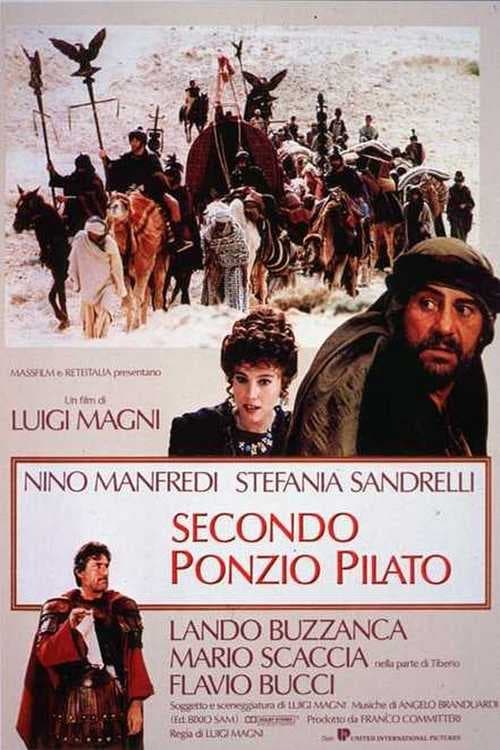
1988
Director
Luigi Magni
Runtime
103 minutes
Average Rating
No ratings yetNew Showbiz Analysis
Luigi Magni’s historical drama succeeds by deconstructing the sanctity of imperial authority. By framing the Roman state as an oppressive, corrupt entity, the film offers a sophisticated critique of systemic power and religious dogma. However, the film remains limited by the traditional social structures of its setting. It lacks representation for LGBTQ+ identities and provides minimal ability to act for female characters, who remain on the periphery of the political narrative. Ultimately, the film's strength lies in its cultural and ethnic authenticity. It replaces the typical Western-centric historical epic style with a nuanced, post-colonial perspective that prioritizes the lived reality of the occupied.
Category Breakdown
The film focuses on political and theological machinations within Roman and Judean leadership. It lacks any LGBTQ+ characters or non-straight relationships.
Narrative power is concentrated in masculine spheres of bureaucracy and religious leadership. Women are largely relegated to secondary or domestic roles within a patriarchal framework.
The production accurately reflects Mediterranean and Middle Eastern demographics of the era. It avoids Western-centric clichés by centering the perspective of the occupied population.
The film uses a post-colonial lens to critique the Roman Empire as a dehumanizing machine. It challenges imperial righteousness by framing justice as a casualty of systemic corruption.
There is no significant focus on visible or invisible disabilities. The protagonist's mental strain is treated as a political consequence rather than an exploration of disability.
Present on Screen
Limited or Absent
Official Synopsis
The story of salvation is told from the perspective of the Roman governor in Judea, Pontius Pilate.
1962

1963
1990

1950
2019

1953
2019

1979
No reviews yet. Be the first to share your thoughts on this movie!
Use the rating form above to leave a star rating and optional review.