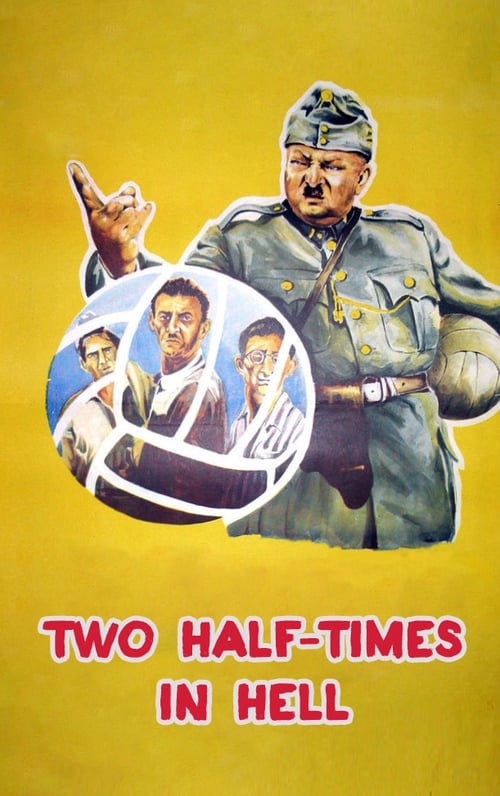
Two Half-Times in Hell
1961
No user ratings available yet
Representation score: 8.0 out of 10

Representation Score
Good
1963
Director
Yevgeni Karelov
Runtime
83 minutes
Average Rating
No ratings yetNew Showbiz Analysis
Third Time is a historical war drama that centers on the struggles of the oppressed. By focusing on Soviet prisoners of war facing a lethal German military force, the film disrupts traditional hierarchies through the lens of survival and resistance. The narrative architecture is built around a high-stakes conflict between a dominant occupying force and a subjugated group. While it lacks modern multi-layered breadth, it effectively portrays the struggle against systemic authoritarianism. Ultimately, the film's strength lies in its portrayal of the underrepresented as the primary drivers of their own destiny during a period of existential threat.
Category Breakdown
The film does not include any LGBTQ+ characters or representations of non-straight relationships. It adheres to the traditional social structures of the 1942 wartime setting.
The story focuses on male-dominated spheres of football and military captivity. It emphasizes traditional masculine archetypes of endurance and physical struggle rather than challenging gender hierarchies.
The film centers on a conflict between Soviet citizens and German occupiers. While ethnically homogeneous, the narrative functions as a critique of national supremacy and fascist hierarchies.
The film critiques imperialist and fascist institutional power. It uses the 'Death Match' as a metaphor for the struggle against systemic, authoritarian oppression.
There is no evidence of neurodivergent or physical disability representation. Any impairments would likely be depicted as the physical toll of war rather than characters with independent ability to act.
Present on Screen
Limited or Absent
Official Synopsis
The film is based on the real fact — football «The Death Match» between the German team and a team of Soviet prisoners of war, former "Dinamo". It happened in Kiev on June 22, 1942. Anticipating the possibility of losing, the Germans made a condition — defeat or death. If the Germans won, the Soviet footballers were promised freedom...
1961

2003
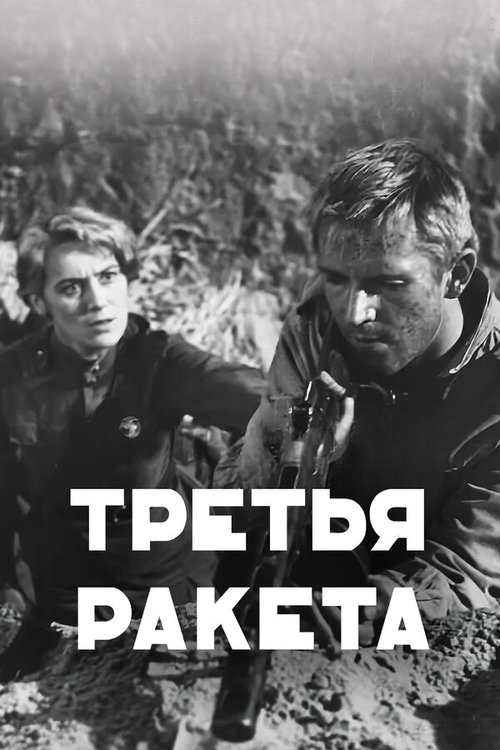
1963

1981
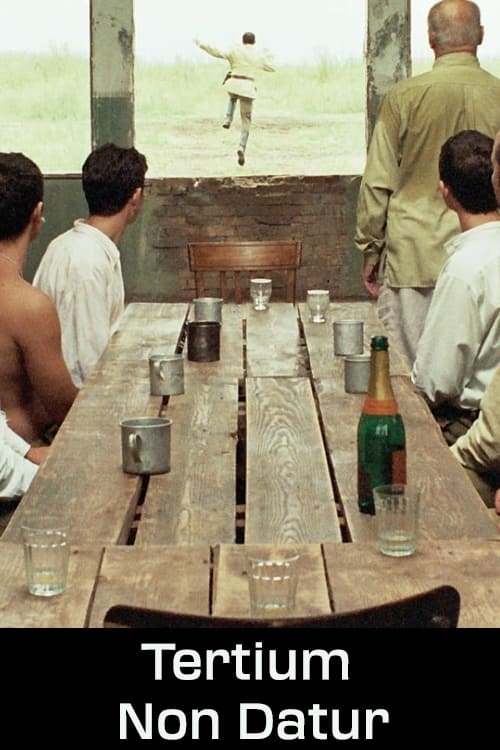
2006

2015

1971

1989
No reviews yet. Be the first to share your thoughts on this movie!
Use the rating form above to leave a star rating and optional review.