July 13th
1982
No user ratings available yet
Representation score: 3.5 out of 10
Representation Score
Good
1973
RDirector
Radomir Šaranović
Runtime
89 minutes
Average Rating
No ratings yetNew Showbiz Analysis
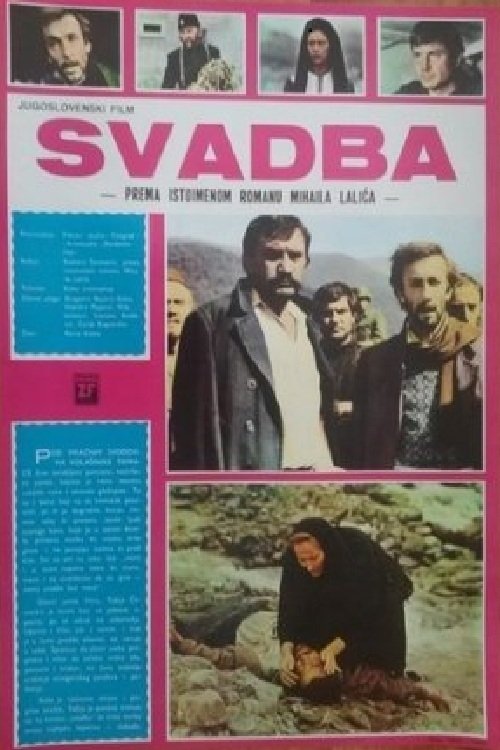
Set in 1943 Montenegro, Wedding is a wartime drama centered on the struggle between Partisans, Chetniks, and occupiers. The film effectively portrays the breakdown of social structures and systemic political conflict. It uses the historical uprising to explore complex ethnic tensions and anti-authoritarian themes. However, the film lacks depth in representing LGBTQ+ identities and disabilities. While it challenges nationalist narratives, it remains tied to the traditional clichés of the Partisan genre.
Category Breakdown
The film does not include any explicit LGBTQ+ characters or narratives that challenge heterosexuality. The storyline centers around national survival and ideological conflicts, often emphasizing comradeship or traditional family structures.
Female characters frequently play key roles as fighters or medics, disrupting traditional gender hierarchies by placing women at the forefront of military conflict.
The Montenegrin setting showcases a diverse range of ethnic and regional identities. The narrative delves into the tension between cooperative efforts among different ethnicities and the divisive impact of ethno-nationalism during the uprising.
The film highlights anti-authoritarianism and collective political action. It focuses on the necessity of revolution over traditional religious or nationalist morals, emphasizing resistance against oppressive systems.
Given the war setting, physical injuries and trauma are likely present. However, these portrayals may serve primarily as plot devices to illustrate brutality rather than giving characters real ability to act.
Present on Screen
Limited or Absent
Official Synopsis
Beginning in 1943. year. The tragic story of the prisoners... partisans and others who were found in a prison in Montenegro at the time when the Chetniks and the occupiers at all costs they want to crush the uprising in Yugoslavia.
1982
1996
1968
1980
1982
1971
1972
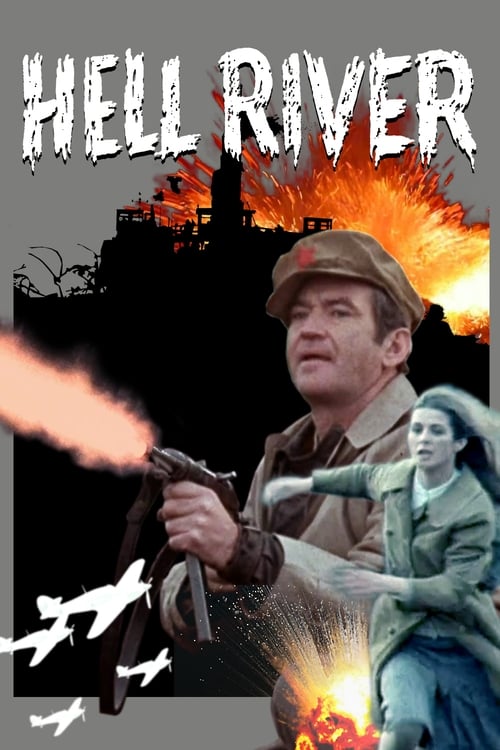
1974
No reviews yet. Be the first to share your thoughts on this movie!
Use the rating form above to leave a star rating and optional review.